
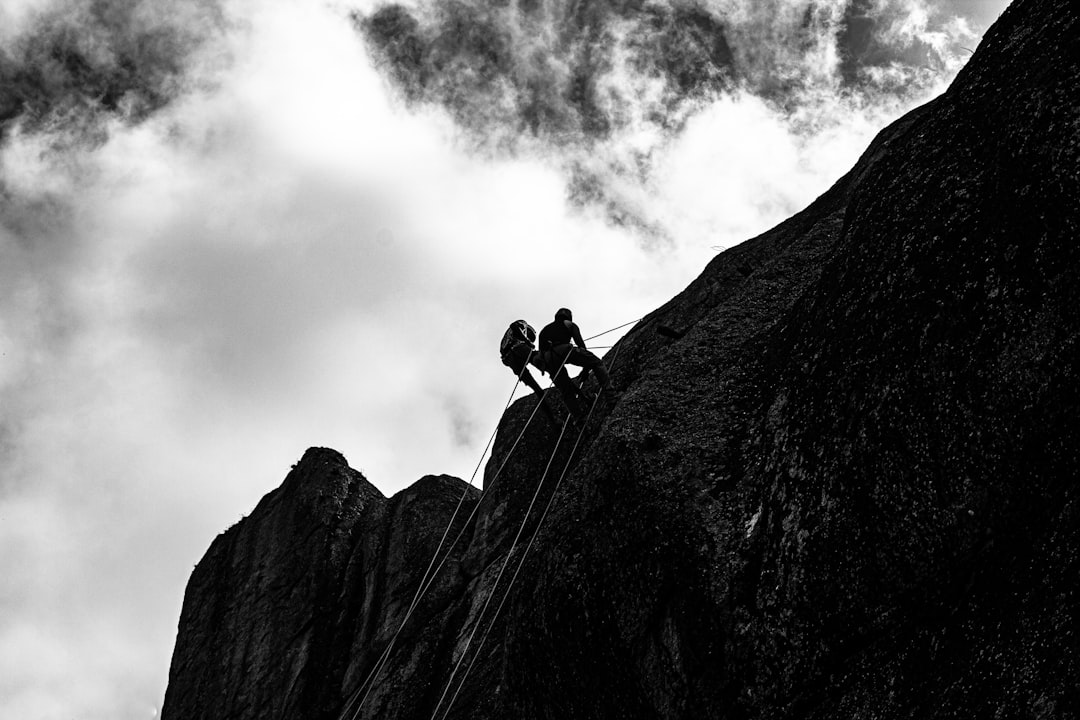
The cool sandstone grit presses into your palms as morning mist rises from the Jamison Valley, carrying the sharp scent of eucalyptus and damp earth. Bellbirds call in the distance—a sound that means you’re truly in the Blue Mountains—and your fingers curl instinctively around the rope, feeling every texture of the woven sheath. Your heart beats against your ribs, not from fear alone, but from something closer to anticipation. Beside you, a certified instructor checks your harness one final time, their movements calm and methodical. Then your twelve-year-old daughter steps to the edge, her small frame silhouetted against the vast ochre canyon walls, and something shifts inside you. This isn’t about conquering a cliff. It’s about discovering what your family is capable of together. This moment—standing at the precipice of adventure with the people you love most—is where family camping Australia experiences transform from holiday snaps into core memories.
Why the Blue Mountains Draws You In
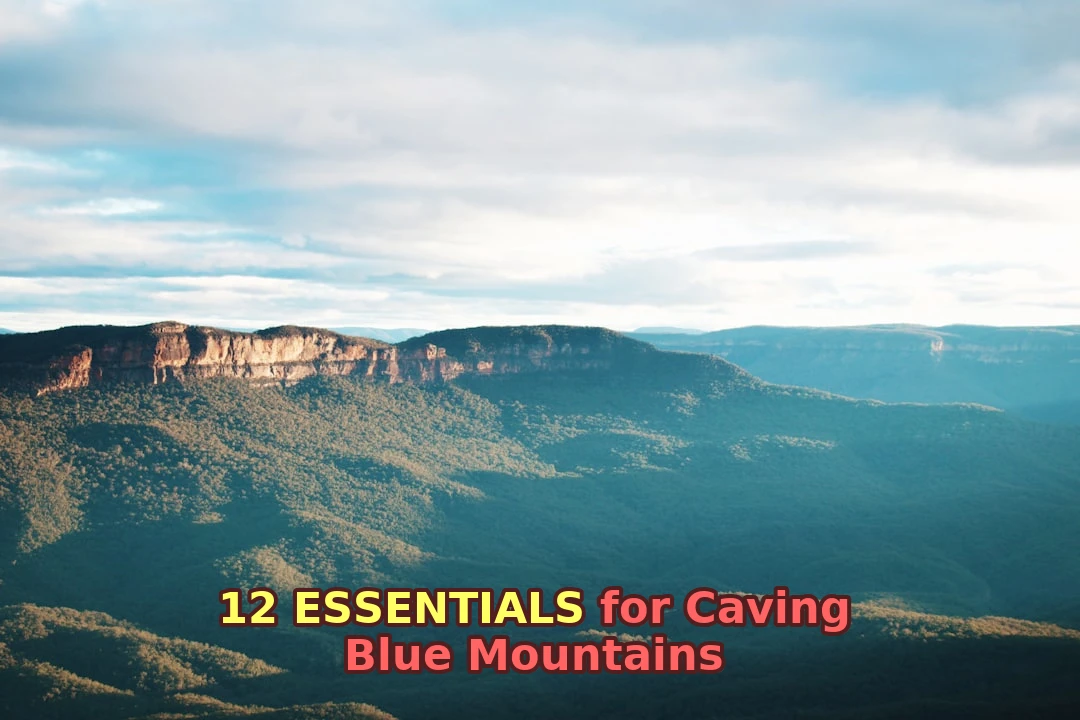
The Blue Mountains isn’t simply a destination for abseiling—it’s a landscape that teaches. The ancient sandstone cliffs, carved by millions of years of water and wind, create a natural classroom where families learn to read rock, weather, and their own limits. For those planning the best family camping Australia adventures, understanding why this region works so well helps you unlock its full potential.
The Land as Teacher
The geology here is uniquely suited for progression. Unlike the granite faces of parts of Victoria or the loose volcanic rock found elsewhere, Blue Mountains sandstone offers predictable friction and consistent texture. This means a beginner can develop genuine confidence on a 10-metre drop at Mount York before progressing to the 60-metre multi-pitch descents at Boars Head or Malaita Point.
What makes this region particularly valuable for families is the variety packed into accessible proximity. Within a 30-minute drive of Katoomba, you can find:
- Empress Falls – A stunning waterfall abseil perfect for confident beginners, with the option to canyoneer through to the bottom
- Sublime Point – Multiple routes of varying difficulty, ideal for family groups with mixed experience levels
- Mount Piddington – Gentle introduction faces with easy walk-around access for nervous participants
- Grand Canyon Track area – Spectacular scenery that combines hiking with optional abseiling entry points
Proximity to the Best Family Camping Spots NSW
The genius of a Blue Mountains-based family camping Australia trip lies in the logistics. Quality campgrounds sit within easy driving distance of all major abseiling sites, meaning you can establish a comfortable base camp and venture out for daily adventures without constantly packing up. This is the foundation of the best camping setup for family groups: one well-located site that serves as your adventure hub.
Consider Norris Park or Blackheath caravan parks as potential bases. Both offer facilities that support multi-day stays (hot showers, powered sites for caravans, camp kitchens) while positioning you within 20 minutes of beginner-friendly abseiling locations. The psychological benefit for children shouldn’t be underestimated—returning to a familiar campsite each evening creates security that emboldens them to push their comfort zones during the day.
Your First Descent: What Nobody Tells You
The gap between watching abseiling videos online and standing at a cliff edge is vast. Instructional content rarely captures the visceral reality of that first lean-back moment, and marketing materials gloss over the genuine fear that even enthusiastic beginners experience. This section addresses what actually happens—physically and emotionally—so your family camping Australia adventure doesn’t include unpleasant surprises.
The Fear Reality
Here’s an honest limitation that most resources won’t tell you: the fear doesn’t disappear with experience. It gets managed differently. A professional abseiler with thousands of descents still feels something at the edge—they’ve simply learned to recognise that sensation as information rather than a stop signal.
For families, this means normalising nervousness. Your eight-year-old shaking at the top of a 15-metre drop isn’t failing—they’re having a completely normal human response. The goal isn’t fear elimination; it’s fear navigation. A good instructor will acknowledge the feeling, validate it, and provide specific techniques for working through it.
The Counterintuitive Truth: Leaning Back
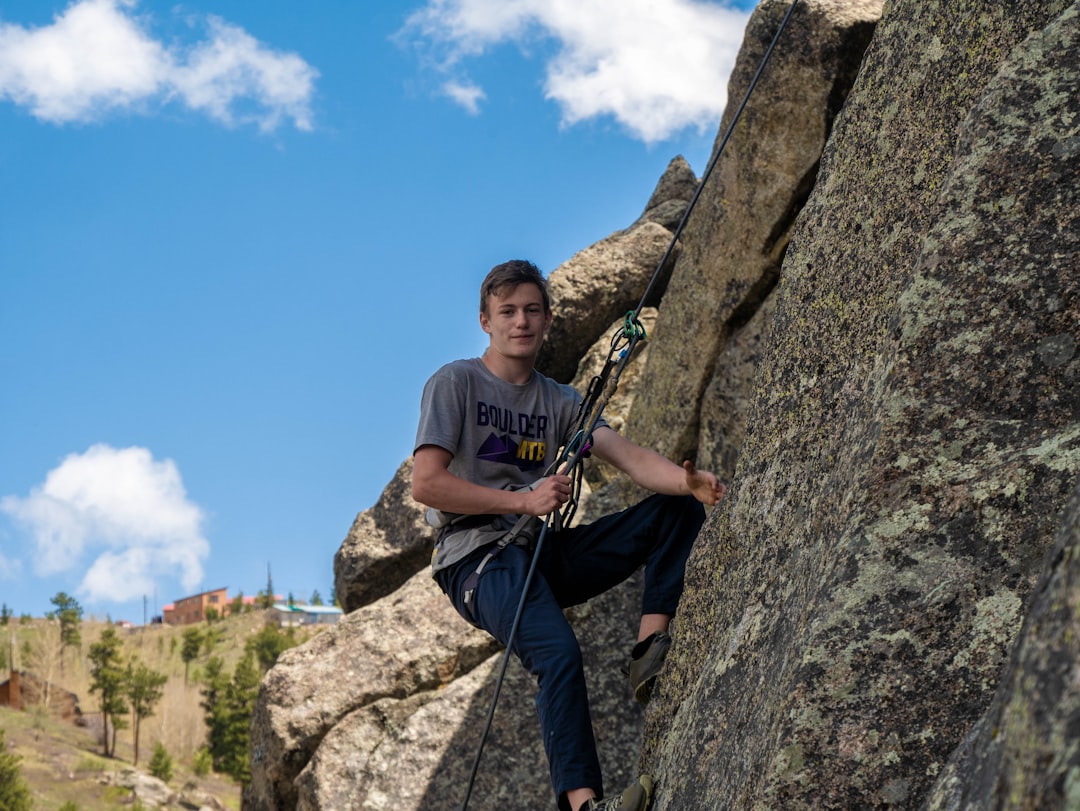
Every first-time abseiler makes the same mistake: they hug the wall. It feels safer to stay close to the rock face. This instinct is precisely wrong. Leaning back into the harness, so your body forms an L-shape with legs perpendicular to the cliff face, is actually the stable position. Hugging the wall causes your feet to slip, your body to swing, and your hands to grip too tightly on the rope.
Equipment Without the Jargon Avalanche
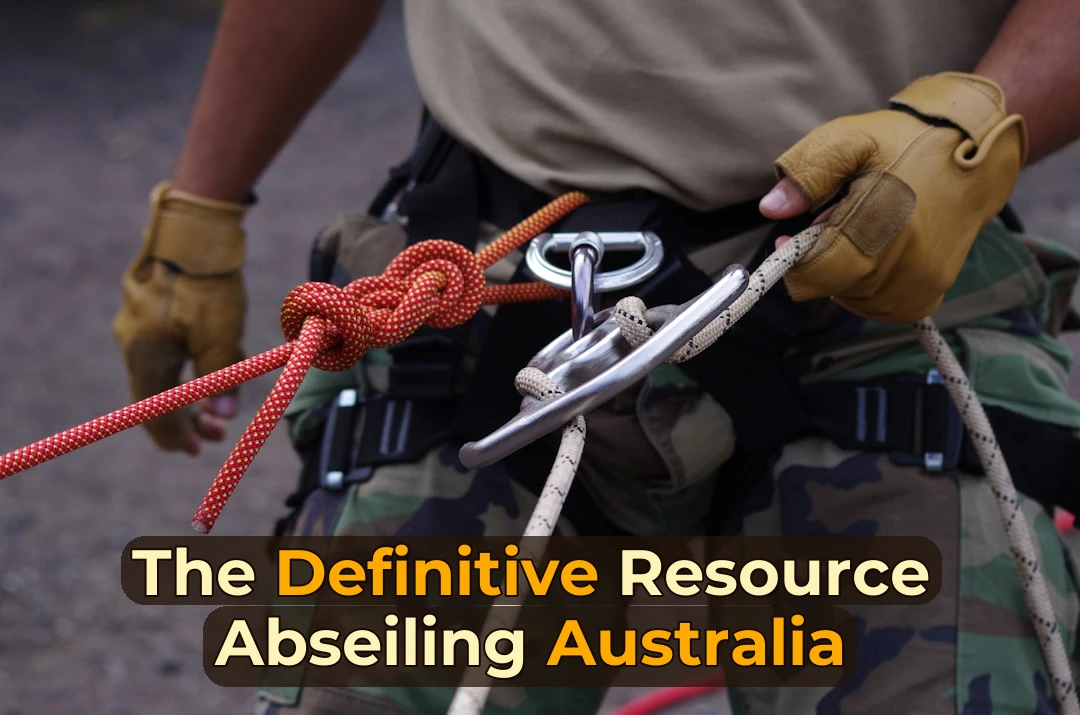
Abseiling equipment can seem intimidating, but for a family getting started, you only need to understand a few core components:
- Harness – Fits around your waist and thighs, distributing weight across your pelvic structure. For children, full-body harnesses are often recommended as they prevent the inversion risk that can occur with small bodies in sit-harnesses.
- Figure-eight device – The metal shape that creates friction on the rope, controlling your descent speed. Your instructor will thread this for you initially; understanding how it works comes with repetition.
- Helmet – Non-negotiable. Rockfall is real, and even small stones falling from height carry significant force. Modern climbing helmets are lightweight and comfortable.
- Gloves – Optional but recommended for beginners. Rope friction can cause burns on extended descents, and gloves provide confidence for those nervous about grip.
What Certified Operators Actually Check
In Australia, abseiling instructors operate under Australian Qualifications Framework guidelines, with many holding certifications through the Australian Mountain Guides Association (AMGA) or equivalent bodies. Before anyone in your family steps off a cliff, a professional operator will verify:
- Harness fit and correct threading (a mis-threaded harness can completely fail under load)
- Helmet security and condition
- Rope integrity (checking for core shots, abrasion, and proper storage history)
- Anchor system redundancy (professional setups always have backup anchors)
- Communication protocols between top and bottom of the descent
- Emergency procedures specific to that location
When planning the best camping setup for family abseiling trips, choose campgrounds within 30 minutes of operators who meet these standards. This allows you to book morning sessions, return to camp for lunch and rest, and potentially head out for afternoon activities—all without exhausting travel time.
Progression Pathways: From 10-Metre Drops to Multi-Pitch Adventures
One of the most common mistakes families make is attempting too much, too soon. Abseiling looks dramatic on social media, but real skill development follows a predictable pattern. Rushing this progression leads to fear imprinting—negative experiences that create lasting aversion rather than lasting enthusiasm.
Skill Level Matrix: Blue Mountains Locations
| Skill Level | Drop Height | Recommended Locations | Characteristics |
|---|---|---|---|
| First-timer | 5-15m | Mount Piddington, Sublime Point (beginner walls) | Easy walk-off, high guide ratio, scenic but not intimidating |
| Confident beginner | 15-30m | Mount York, Empress Falls (dry entry) | More exposure, requires trust in technique, spectacular views |
| Intermediate | 30-50m | Boars Head, Malaita Point | Technical entries, some overhang, requires self-sufficiency basics |
| Advanced | 50m+ / multi-pitch | Federal Pass, various canyon entries | Complex route-finding, canyon environments, extended commitment |
Self-Assessment: Signs You’re Ready to Progress
Before moving to the next difficulty level, honestly evaluate whether each family member demonstrates:
- Consistent technique – Not just completing descents, but completing them with controlled speed and proper body position
- Self-correction – Able to identify and fix minor issues (rope twist, foot placement) without instructor intervention
- Verbal calm – Can communicate clearly during the descent, not just before and after
- Post-descent positivity – Finishes with genuine enthusiasm rather than pure relief
If any family member is consistently showing fear-based hesitation, uncontrolled descents, or emotional shutdown, stay at the current level longer. There’s no timeline in abseiling progression—the cliff will always be there next trip.
The Unexpected Benefit: Hiking Confidence
Here’s something families rarely anticipate: abseiling transforms how children (and adults) approach steep hiking terrain. After learning to trust their feet on vertical rock, a steep trail descent feels manageable rather than intimidating. The body learns to lean into slopes rather than away from them, dramatically reducing the stumbling risk that makes family bushwalks stressful.
On your next family camping Australia trip that includes abseiling, notice the difference in how your family approaches the Grand Canyon track or the Giant Stairway. Children who’ve abseiled will walk with a different relationship to verticality—more aware, more confident, less prone to the panic that leads to accidents.
Guided vs. Independent: When to Hire vs. When to Join Clubs
For your first 10-20 abseiling experiences, professional guided instruction is the only responsible choice. Operators like Blue Mountains Climbing School or local adventure companies provide all equipment, site assessment, and real-time coaching that accelerates learning while maintaining safety margins.
Transition to independent abseiling only when:
- At least one adult family member has completed a recognised certification course
- Your family owns and maintains personal equipment
- You’ve joined a club (Sydney Rock Climbing Club and Blue Mountains Climbing Club welcome families) and learned from experienced members
- You understand anchor building, rope management, and rescue techniques
This transition typically takes 2-3 years of regular practice. It’s not a badge of honour to rush it—professional guiding exists for good reason.
Multi-Day Progression Trips with Campsite Integration
The best family camping Australia experiences combine progressive skill-building with the comfort of a well-established camp. Consider a three-day structure:
Day 1: Arrive at Blackheath caravan park (or equivalent). Set up camp with full amenities access. Afternoon easy hike to scout next day’s abseiling location. Early dinner, early sleep.
Day 2: Morning first descent session at Mount Piddington (beginner-friendly). Return to camp for lunch and rest (children process challenge experiences during downtime). Late afternoon free play. Evening debrief around the campfire.
Day 3: Morning progression to Mount York or Sublime Point based on Day 1 success. Pack down camp. Final family photo at the cliff edge before departure.
This structure embodies the best camping setup for family adventure: challenging activities supported by comfortable recovery spaces.
The Gear Reality Check
Abseiling equipment marketing would have you believe you need $2,000 worth of specialised gear before your first descent. This is nonsense. The rental-first philosophy serves families better in every measurable way: lower cost, professional maintenance, and appropriate equipment matching to actual conditions.
Why Your First 10 Descents Shouldn’t Involve Purchasing
Rental equipment from certified operators undergoes regular inspection, proper storage, and retirement schedules that personal gear often doesn’t receive. More importantly, renting allows you to try different harness styles, device types, and glove options before committing to purchases. The harness that feels comfortable in a shop might chafe after 30 minutes of hanging; the figure-eight device that looks elegant might prove frustratingly slow for your learning style.
The Three Items Worth Owning Early
Once you’ve decided abseiling will be a regular part of your family camping Australia trips, these items justify early purchase:
- Personal anchor (lanyard) – A short, adjustable tether that clips you to anchors while setting up at cliff edges. Having your own, sized correctly and always available, is worth the $60-100 investment.
- Quality headlamp – Abseiling situations can extend beyond planned times. A reliable light source is safety equipment that transfers to every camping scenario.
- Quality boots/approach shoes – Rental boots exist, but fit is individual. Your own footwear, broken in and understood, provides confidence on approaches and descents.
Packing Systems for Camping-Abseiling Combo Trips
The best family camping Australia setups integrate adventure equipment without creating vehicle chaos. Consider these principles:
- Separation – Safety equipment (ropes, harnesses, hardware) travels in dedicated containers, not mixed with general camping gear
- Accessibility – Items needed first (helmet, harness, gloves) packed last, on top
- Protection – Ropes stored in rope bags, away from sharp objects, chemicals, and UV exposure
- Distribution – Weight spread across vehicle to maintain safe handling on mountain roads
Maintenance Routines That Prevent Equipment Failure
If your family does own abseiling equipment, establish these maintenance habits immediately:
After every trip: Visual inspection of all equipment. Look for abrasion on rope sheaths, wear on harness tie-in points, cracks in helmet shells.
After coastal exposure: Rinse ropes and hardware in fresh water. Salt accelerates corrosion and weakens fibres in ways that aren’t always visible.
Annually: Professional inspection of all safety equipment. Many outdoor stores offer this service, or attend a club gear-check session.
Reading the Land, Reading Yourself
Technical skill gets you down the cliff. Environmental awareness keeps you safe in the broader context of multi-day trips. For families building the best camping setup for family adventures that include abseiling, understanding Blue Mountains conditions is non-negotiable.
Weather Pattern Recognition
The Blue Mountains creates its own microclimate. While Sydney might be clear and 25°C, Katoomba can be foggy, 15°C, and experiencing afternoon thunderstorms. These patterns are predictable enough to plan around:
- Morning sessions – Generally calmer, clearer, and safer. Plan your challenging abseils for morning slots.
- Afternoon thunderstorm season – November through February, electrical storms can develop rapidly. Wet rock becomes treacherous; lightning on exposed cliffs is life-threatening.
- Winter visibility – Fog can reduce visibility to metres without warning. Navigation becomes challenging; abseiling in fog is inadvisable for all but experts.
- Wind patterns – Westerly winds can create dangerous situations on exposed faces, blowing ropes into problematic positions and destabilising descent technique.
Group Dynamics: The Slowest Person Often Makes the Safest Dec
Frequently Asked Questions
What abseiling locations in the Blue Mountains are suitable for families with no prior experience?
For first-time abseilers, Mount Piddington offers gentle introduction faces with easy walk-around access for nervous participants, making it ideal for children. Sublime Point also features beginner walls with multiple routes suitable for family groups with mixed experience levels. Both locations have drop heights of 5-15 metres, providing a manageable introduction to abseiling. These sites are within 30 minutes’ drive of Katoomba, allowing easy access from nearby family-friendly campgrounds like Norris Park or Blackheath caravan parks.
How do I know when my family is ready to progress from beginner to intermediate abseiling?
Before progressing to intermediate locations like Boars Head or Malaita Point (30-50m drops), each family member should demonstrate consistent technique with controlled speed and proper body position, ability to self-correct minor issues without instructor help, verbal calm during descents, and genuine post-descent enthusiasm rather than pure relief. If anyone shows fear-based hesitation, uncontrolled descents, or emotional shutdown, remain at the current level longer. There’s no fixed timeline—rushing progression leads to negative fear imprinting that creates lasting aversion.
When is the best time of day and year to go abseiling in the Blue Mountains?
Morning sessions are generally calmer, clearer, and safer, so plan challenging abseils for morning slots. Be especially cautious from November through February when afternoon thunderstorms can develop rapidly, making wet rock treacherous and creating lightning dangers on exposed cliffs. Winter brings fog that can reduce visibility to metres without warning, making navigation challenging and abseiling inadvisable. The Blue Mountains creates its own microclimate, so conditions can differ significantly from Sydney despite the proximity.
What abseiling equipment should our family purchase versus rent for our first trips?
For your first 10 descents, rent all equipment from certified operators who maintain inspection and retirement schedules. If purchasing early, invest in three items: a personal anchor lanyard ($60-100) for safety at cliff edges, a quality headlamp (Petzl or Black Diamond) that serves multiple camping purposes, and properly fitted approach shoes with sticky rubber soles. Never purchase second-hand safety equipment—harnesses, ropes, and helmets degrade with UV exposure and stress. Ropes typically require retirement after 3-5 years of occasional use or sooner with heavy use or visible damage.
How should we structure a multi-day family abseiling and camping trip to the Blue Mountains?
A proven three-day structure works well: Day 1, arrive at Blackheath caravan park, set up camp with full amenities, and take an afternoon scout hike. Day 2, complete a morning first descent session at beginner-friendly Mount Piddington, return to camp for lunch and rest while children process the experience, then enjoy a debrief around the campfire. Day 3, progress to Mount York or Sublime Point based on previous success before packing up. This approach keeps challenging activities supported by comfortable recovery spaces at your established base camp within 20 minutes of abseiling locations.

Be the First to Comment
Sign in to start the conversation.