
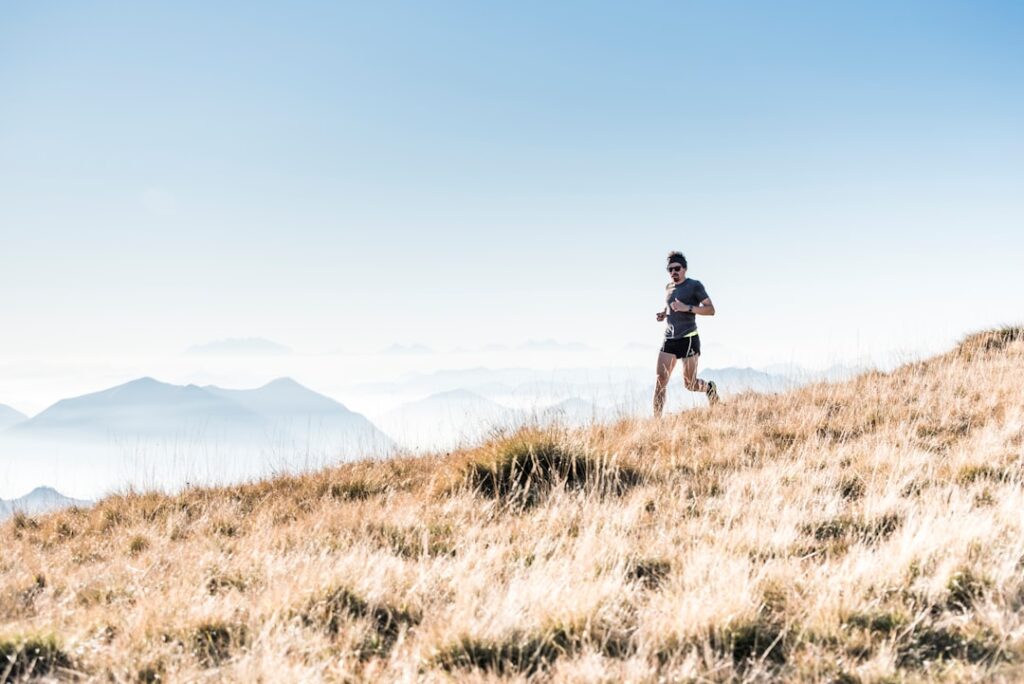
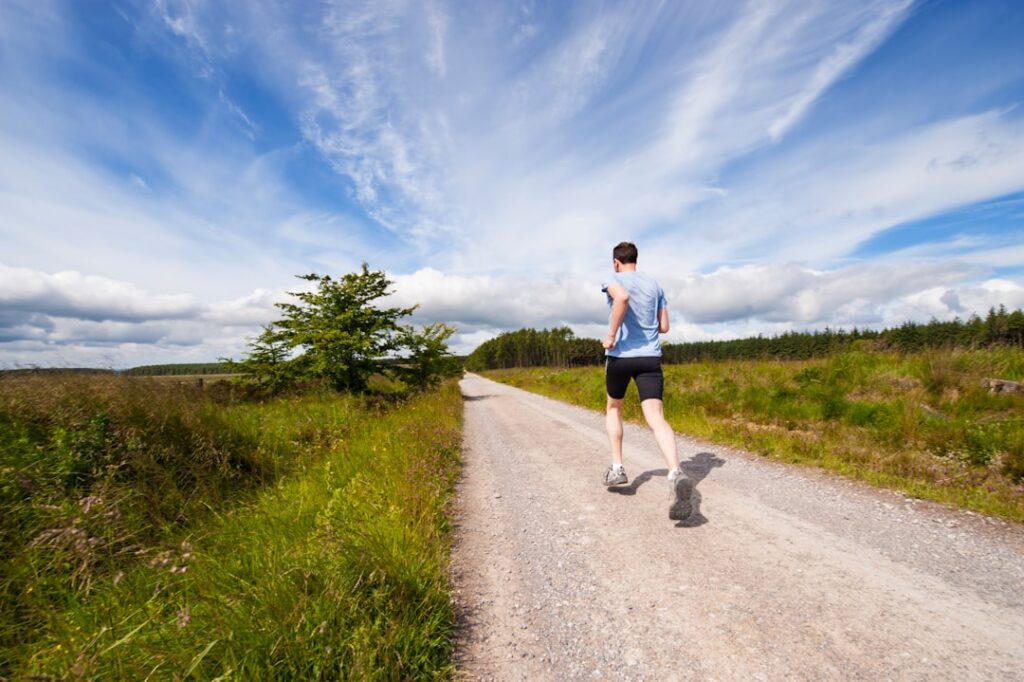

According to the Australian Bureau of Statistics, outdoor physical activity participation has surged by 12% in post-pandemic years, yet over 60% of new trail runners report an injury within their first six months. This stark statistic contrasts sharply with the surge in popularity of getting back to nature, highlighting a critical gap in how Australians approach trail running. It is not merely “road running on dirt,” but a distinct biomechanical discipline requiring specific knowledge of Australian terrain. This guide serves as a diagnostic report on why so many enthusiasts fail to sustain their new hobby, offering the solution to this preventable crisis by reframing trail running as a calculated interaction with Australia’s diverse and often unforgiving landscapes.
The Mechanics of the Undulating Surface: Biomechanics and Gear
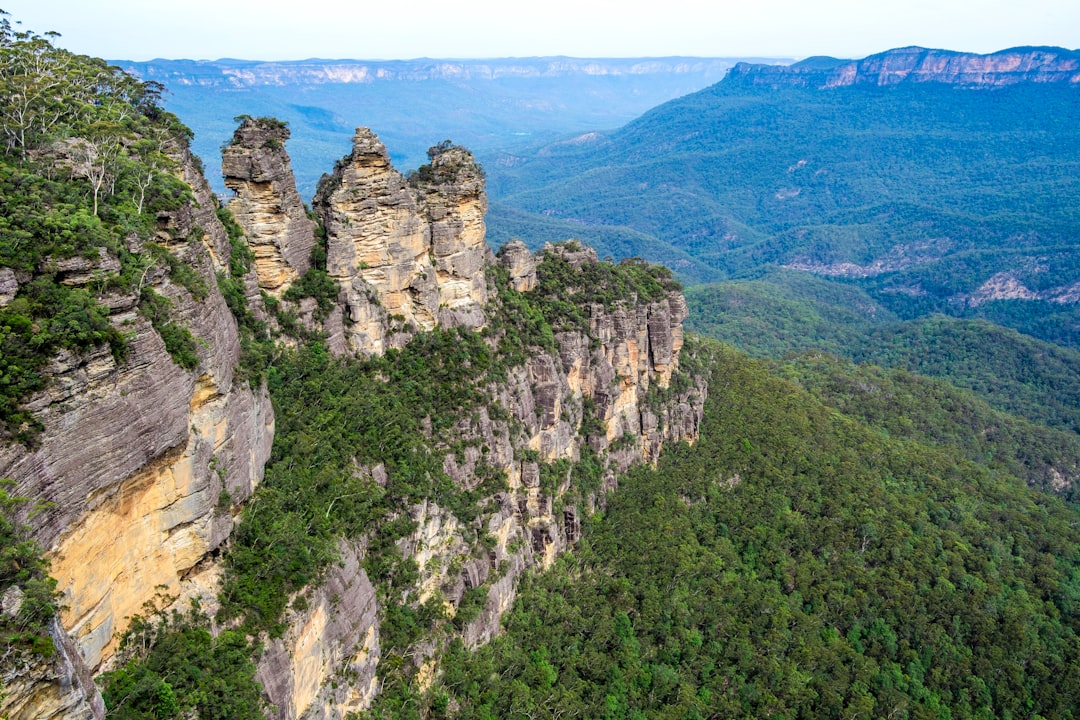
To understand trail running in Australia, one must first abandon the linear mechanics of road running. Australian bush tracks are defined by significant elevation changes, loose scree, and complex root systems that demand a different physical engagement. Unlike the predictable resistance of asphalt or concrete, the undulating surfaces of trails from the Blue Mountains to the Grampians require constant micro-adjustments in stride length and foot placement. This variability places unprecedented stress on stabiliser muscles, particularly the ankles, calves, and hips.
The primary error novice runners make is prioritising cushioning over stability. While road shoes focus on absorbing the repetitive impact of flat surfaces, trail running footwear must provide protection against sharp rocks and stability on uneven ground. In the context of Australian terrain, this distinction is vital.
Footwear Selection: Studs vs. Smooth Soles
The choice of footwear is the most critical gear decision for any trail runner in Australia. The country’s diverse biomes—from sticky, red clay soils in Queensland to the dusty limestone of the Flinders Ranges—dictate specific shoe requirements.
* Aggressive Lugs (Multi-directional): Essential for wet, muddy conditions common in coastal ranges like the Dandenong Ranges or the Wet Tropics of North Queensland. Look for lugs deeper than 4mm to prevent slipping on clay-heavy soil that turns to glue when wet.
* Moderate Lugs (Neutral): Ideal for dry, rocky terrain such as the Australian Alps or parts of the Great Ocean Road. These provide enough grip without trapping excessive dirt and debris, which can be heavy and uncomfortable on long runs.
* Smooth/Flat Soles: Generally discouraged for technical trails but may be suitable for hard-packed gravel tracks or fire roads where maximum speed is prioritised over technical grip.
> Expert Tip: Always test your shoes on a similar surface before committing to a long run. A shoe that performs well on dry, hard-packed dirt may fail catastrophically on wet leaves or loose scree. Look for “gutter guard” features in modern trail shoes to prevent mud from caking between the lugs, a common issue in Australian winter conditions.
The Essential Pack: Tailored to Biomes
Carrying essentials is not just about comfort; it is a safety imperative. Australian conditions vary drastically even within short distances, necessitating a modular approach to packing.
1. Hydration: In humid coastal ranges, electrolyte replacement is as critical as water volume due to rapid sweat rates. Conversely, in alpine zones, lightweight layers are paramount. A 1.5L bladder is standard for most day runs, but summer conditions in northern Australia may require double that capacity.
2. Navigation Redundancy: As noted in recent incidents in the Blue Mountains, relying solely on a phone app can lead to dangerous confusion. Always carry a physical map and a compass, or at least an offline mapping app on a dedicated GPS device.
3. Emergency Supplies: A basic first-aid kit, emergency blanket, and high-energy snacks (nuts, dried fruit) are non-negotiable. In fire-prone zones, carrying extra water is often a legal requirement or strongly advised by local authorities.
The Great Dividing Range & Coastal Scrub: Beginner Integration
For those transitioning from road running to trails, the Great Dividing Range and coastal scrub networks offer some of the most accessible entry points into Australian trail running. These regions provide a gentler learning curve, allowing runners to develop proprioception (body awareness on uneven ground) without the extreme altitude or technical difficulty of alpine zones.
Regions like Sydney Harbour National Park, the Gold Coast’s Springbrook network, and Melbourne’s Dandenong Ranges are ideal for beginners. These trails often feature well-maintained paths with moderate elevation gains, making them suitable for building endurance and confidence.
Reading Australian Trail Signage
Understanding local signage is crucial for navigating safely. Different state parks have different conventions:
* New South Wales (NSW National Parks): Look for wooden posts with distance markers and difficulty ratings. Green indicates easy, yellow moderate, and black difficult. These trails are generally well-marked but can be narrow.
* Victoria (VicPark): Trails often use metal plaques or paint blazes on rocks. Pay attention to “Eco-friendly” markings, which may indicate sensitive vegetation areas where staying on the path is legally enforced.
* Queensland: Look for “Bushwalk” signage. Trails here can be more rugged and less maintained than in NSW or Victoria, requiring higher vigilance for fallen branches and overgrowth.
> Warning: Not all marked trails are well-maintained, especially after heavy rain or bushfire recovery. Always check the official state parks website for trail closures before heading out. A “moderate” rating on paper can become a dangerous scramble in wet conditions.
Wildlife Encounters and Ethics
Running through Australian bush brings the potential for encounters with native wildlife. Kangaroos, birds, and occasionally snakes are part of the landscape.
* Kangaroos: Maintain a safe distance. A startled kangaroo can be aggressive. If you encounter one, slow down or stop until it moves on. Do not chase or attempt to photograph them up close.
* Birds: Keep an ear out for distinctive calls like the Kookaburra or Magpie. These birds can be territorial, especially during nesting season (August to October). Be aware of swooping seasons and avoid running directly under nest sites if possible.
* Snakes: While rare, encounters with venomous snakes (like the Red-bellied Black Snake or Tiger Snake) are possible. Stay on clear paths, watch your step, and do not reach into crevices or under logs.
> Safety Note: Respect the wildlife by keeping your distance. The trail belongs to them first; you are a guest. Disturbing animals not only harms the ecosystem but can also put you at risk.
The Alpine Challenge: Expert Terrain and Strategy
For experienced trail runners, the Australian Alps, Mount Field in Tasmania, and the Grampians offer a different level of challenge. These high-altitude environments demand not just physical fitness but strategic planning, weather awareness, and navigation skills.
Altitude Acclimatisation and Weather Volatility
Running above 1,000 metres introduces variables absent in coastal or lowland trails. Altitude acclimatisation is crucial to avoid acute mountain sickness, which can impair judgement and physical performance. Weather in alpine zones is notoriously volatile; clear skies can turn into snowstorms within hours.
* Layering Strategy: Use a moisture-wicking base layer, an insulating mid-layer (fleece or down), and a windproof/waterproof outer shell. Avoid cotton, which retains moisture and can lead to hypothermia even in mild conditions.
* Wind Protection: Alpine winds are intense and can significantly increase perceived cold. A windproof jacket is essential, even in summer.
Self-Sufficiency and Emergency Preparedness
In remote alpine areas, help is not just hours away; it can be days away. Self-sufficiency is the golden rule.
1. Satellite Communicators: Devices like Garmin inReach or Zoleo allow for two-way communication and SOS alerts where mobile coverage is non-existent. Register your device with local authorities before starting a remote run.
2. Navigation Skills: GPS signals can fail under dense canopy or near peaks due to magnetic interference. Learn to read topographic maps and use a compass. Know how to identify landmarks using contour lines.
3. Water Carrying Requirements: In fire-prone zones, carrying extra water (up to 3 litres) is often a legal requirement. Check local fire danger ratings and regulations before heading out.
> Critical Safety Reminder: Always file a trip plan with a trusted contact, including your route, expected return time, and vehicle registration details. In the event of an emergency, this information can save your life.
The Mental Game and Seasonal Strategy
Trail running is as much a mental challenge as it is a physical one. The harsh Australian environment demands resilience, adaptability, and respect for nature’s unpredictability. Managing heat, navigating bushfire seasons, and maintaining focus during long-distance ultra-endurance events like the Great Ocean Road 150 require a robust mental framework.
Heat Management and Timing
Running in Australia’s heat requires strategic timing and hydration management. The sun is intense, even on cloudy days, due to the country’s proximity to the equator.
* Dawn and Dusk Runs: Schedule runs during cooler parts of the day, especially in summer. Early morning starts allow you to avoid peak heat and reduce the risk of dehydration.
* Electrolyte Balance: Sweat rates in humid conditions can exceed 2 litres per hour. Replace sodium and potassium through electrolyte tablets or drinks to prevent cramping and hyponatremia.
Bushfire Awareness
Bushfire season in Australia varies by region but generally spans from spring to autumn. Staying informed about fire danger ratings and evacuation routes is essential for safety.
* Check Fire Danger Ratings: Use services like the VicEmergency website (Victoria) or NSW Rural Fire Service to check current conditions.
* Evacuation Routes: Know multiple exit points from your planned route. If a fire breaks out, do not attempt to outrun it on foot if you are not an emergency responder.
> Interesting Fact: The “Great Escape” during the 2009 Black Saturday bushfires highlighted the importance of having a contingency plan. Trail runners should always have an exit strategy, especially in fire-prone areas.
The Psychology of the “Bad Run”
Every trail runner experiences a “bad run”—a scenario where weather turns unexpectedly, equipment fails, or the body rebels. These experiences are crucial for learning resilience.
Consider a narrative of a run in the Dandenong Ranges where sudden rain turned dry dirt into slippery mud. The frustration of slipping repeatedly teaches valuable lessons about adapting to conditions, respecting the environment, and prioritising safety over personal bests. These “bad runs” often lead to the most significant growth in a runner’s skills and mindset.
> Pro Tip: Embrace the “bad runs” as learning opportunities. They teach you how to problem-solve, adapt, and respect the power of nature. These lessons are invaluable for long-term success in trail running.
Conclusion: A Call to Stewardship
Trail running is not just a sport; it is a form of active citizenship. The best way to know Australia’s wild spaces is to move through them quickly and quietly, minimising impact. By adhering to the principles of Leave No Trace, trail runners help preserve these ecosystems for future generations.
Join local trail maintenance groups like Trail Guardians or state-specific volunteer organisations to give back to the trails you love. Your participation in maintaining these paths ensures they remain open and safe for everyone.
> Final Image: Imagine reaching a summit in the Australian bush at sunrise—the silence, the golden light filtering through eucalyptus leaves, and the profound connection to the land. This feeling is unique to trail running and reinforces your responsibility to keep these trails open for future generations. Your commitment to stewardship ensures the “authentic Australian experience” remains intact, allowing others to discover the same joy and challenge you have found.
Summary of Key Takeaways
* Gear Matters: Choose footwear based on specific terrain conditions (mud vs. rock).
* Know the Signs: Understand local trail signage and difficulty ratings.
* Stay Informed: Check weather, fire danger, and trail closures before every run.
* Be Self-Sufficient: Carry navigation tools, emergency supplies, and a satellite communicator in remote areas.
* Respect Nature: Keep wildlife at distance, follow Leave No Trace principles, and support trail maintenance.
By embracing these principles, you transform from a passive observer into an active participant in Australia’s outdoor community. Trail running offers a unique way to connect with the land, challenge yourself physically and mentally, and contribute to the preservation of our natural heritage.
Frequently Asked Questions
What specific footwear features are required for Australian trail running conditions?
Footwear selection depends on the specific biome. For wet, muddy conditions like those in the Dandenong Ranges or Wet Tropics of North Queensland, shoes must have aggressive, multi-directional lugs deeper than 4mm to prevent slipping on clay-heavy soil. In dry, rocky terrain such as the Australian Alps or Great Ocean Road, moderate lugs are ideal to prevent dirt accumulation. Runners should also look for ‘gutter guard’ features in modern trail shoes to stop mud from caking between lugs during Australian winter conditions.
How should beginners interpret trail signage across different Australian states?
Signage conventions vary by region. In New South Wales National Parks, look for wooden posts with colour-coded difficulty ratings: green for easy, yellow for moderate, and black for difficult. In Victoria, VicPark trails often use metal plaques or paint blazes on rocks, with ‘Eco-friendly’ markings indicating sensitive vegetation areas where staying on the path is legally enforced. Queensland trails typically feature ‘Bushwalk’ signage, though these can be more rugged and less maintained than those in NSW or Victoria, requiring higher vigilance for fallen branches.
What are the essential safety gear requirements for alpine trail running?
Running above 1,000 metres in areas like the Australian Alps or Mount Field requires self-sufficiency. Essential gear includes a satellite communicator (such as Garmin inReach or Zoleo) for two-way communication where mobile coverage is non-existent. You must carry a physical map and compass as GPS signals can fail under dense canopy or near peaks due to magnetic interference. Additionally, carry up to 3 litres of water in fire-prone zones, as this is often a legal requirement. Always file a trip plan with a trusted contact including your route and vehicle registration details.
When is the best time to schedule runs in Australia to manage heat and safety?
Due to intense sun exposure, schedule runs during cooler parts of the day, specifically dawn or dusk, especially in summer. Early morning starts help avoid peak heat and reduce dehydration risks. You must also check fire danger ratings using services like the VicEmergency website (Victoria) or NSW Rural Fire Service. Bushfire season generally spans spring to autumn, so staying informed about evacuation routes and current conditions is essential for safety during these periods.
What are the costs and logistical considerations for electrolyte management in humid conditions?
In humid coastal ranges, sweat rates can exceed 2 litres per hour, making electrolyte replacement critical to prevent cramping and hyponatremia. While specific brand costs vary, you should budget for electrolyte tablets or drinks as a non-negotiable part of your gear list. For summer runs in northern Australia, you may need to double the standard 1.5L water bladder capacity to approximately 3 litres, factoring in both water volume and electrolyte costs for sustained performance.



Be the First to Comment
Sign in to start the conversation.