

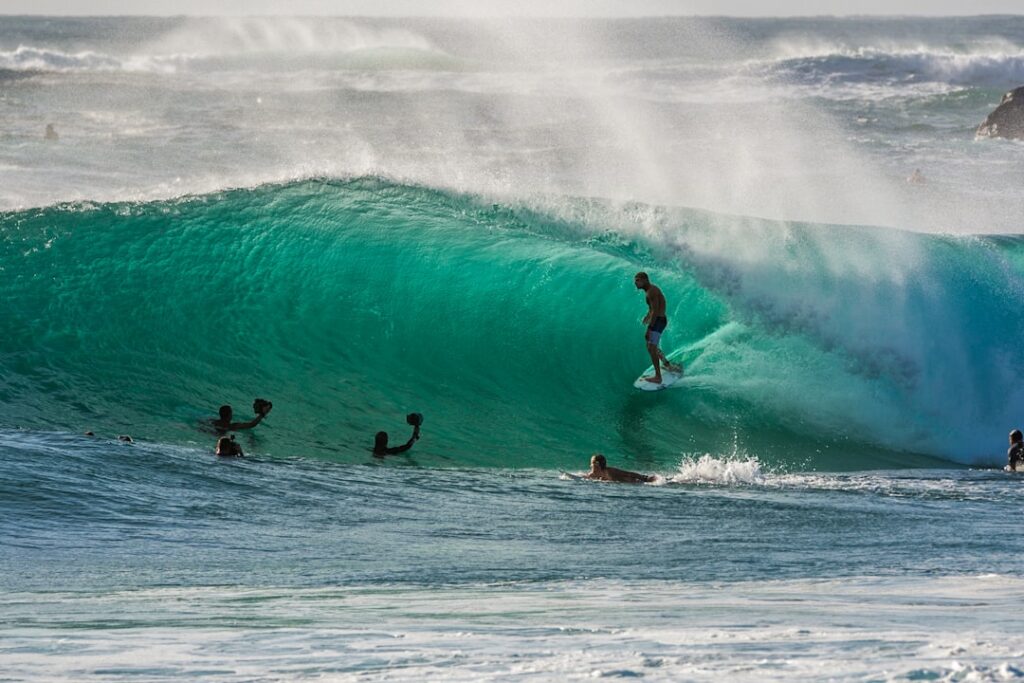


The sharp, salty bite of ocean air mingles with the damp earth scent of coastal heathland, while the distant crash of waves against limestone cliffs sets a rhythmic backdrop. This is not just scenery; it is the opening chord of a symphony played by wind and water, waiting for your feet to join in. The Great Ocean Road isn’t merely a highway hugging the coast; it is one of Australia’s premier trail running destinations, offering a rugged tapestry of volcanic rock formations and towering eucalyptus forests that define the soul of Victoria’s coastline.
As you lace up your shoes on these ancient lands, you’re not just starting a run—you are stepping into a living landscape where every breath tastes of the Southern Ocean. Whether you’re chasing the horizon or seeking solitude, this guide navigates the specific facilities and realities of trail running along this iconic stretch.
The Concrete vs. The Dirt: Navigating Facilities
When most people hear “Great Ocean Road,” they imagine a car window view. For the trail runner, however, the reality is a complex negotiation between civilised infrastructure and wild terrain.
The biggest challenge here isn’t the distance; it’s the transition. You’ll find yourself alternating between well-maintained asphalt shoulders—essential for emergency access and quick recovery runs—and rugged, unmapped dirt trails that demand focus.
* Apollp Bay as Base Camp: The Apollo Bay Visitor Centre serves as the de facto headquarters for runners. It’s where you get your bearings, refill water, and access the most reliable signage on the route.
* The Signage Reality: Don’t trust every painted marker. In recent years, including shifts related to seismic activity and the earthquake great ocean road discussions among locals, some official trail markers have been washed away or obscured by soil shifts.
* Navigation Strategy: Carry a physical map alongside your GPS device. Local knowledge often supersedes digital data here, as trails can be subtle fades in the undergrowth rather than defined paths.
> Warning: Always check with local ranger stations before heading out to specific single-track sections. The landscape changes rapidly, and what was a clear path last month may be overgrown or unstable today.
Seasons in a Single Stride: Timing Your Run
One of the most unique aspects of this region is its microclimate. You can experience four seasons in a single run if you’re not careful.
The Golden Window: Shoulder Seasons
For the best balance of temperature and wildlife visibility, aim for April–May or September–October. The air is crisp but not biting, and the coastal heathland bursts with wildflowers or returns to a hardy green.
The Danger of Summer
Summer on the Great Ocean Road is deceptive. While it might be 30°C in Melbourne, exposed ridges along the coast can hit higher temperatures with zero shade.
* Heat Management: Carry more water than you think necessary. There are few refill points on the longer loops.
* Visibility: Be wary of sudden fog banks that roll in from the ocean, disorienting even experienced runners who rely on visual landmarks.
Winter Running
For those seeking solitude, winter offers a stark beauty. However, the rain can turn clay-based trails into slippery mud. Proper footwear with aggressive tread is non-negotiable during these months.
From Families to Ferraris: Tailoring the Route
You don’t need to be an ultra-endurance athlete to enjoy these trails. The facility range here is surprisingly diverse, catering to everyone from stroller-pushers to serious trail veterans.
1. The Family-Friendly Coastal Paths
* Location: Near Lorne and Aireys Inlet.
* Features: These are wide, gravel-packed paths that follow the coastline. They offer stunning ocean views without technical difficulty.
* Facilities: Restrooms and picnic areas are regularly maintained. Perfect for a morning jog with kids or a gentle recovery run.
2. The Intermediate Coffee Loops
* Target: Runners looking for a mix of scenery and social connection.
* The Route: A loop starting from Apollo Bay, moving north towards Lorne with strategic coffee stops.
* Key Stop: The “Airboat” cafe in Apollo Bay is a critical recovery spot. They open early, often before dawn, making them a favourite for pre-dawn starters who want a hot flat white immediately post-run.
3. Advanced Single-Track Near the 12 Apostles
* Challenge: Technical terrain, steep ascents/descents, and exposed ridges.
* Facilities: Limited. No shade, no water taps. Parking is available at major trailheads but fills up by 7am in summer.
* Requirement: Navigation skills and self-sufficiency are key here.
Practical Travel Info
* Parking: Most major trailheads have designated parking, but it’s competitive. Arrive early.
* Restrooms: Available at Apollo Bay Visitor Centre and major picnic spots in Lorne. Assume there are no toilets on the advanced trails—plan accordingly.
* Mobile Coverage: Sporadic in remote sections. Inform someone of your route if running alone on the technical loops.
Local Secrets and Honest Limitations
Running here is about more than just miles; it’s about the stories you uncover.
> Personal Story: A friend of mine, trying to conquer a ridge near the Otway Ranges, was blown off course by an unexpected wind shear. Frustrated but determined to keep moving, he stumbled upon a hidden, sheltered cove with fresh water springs. It wasn’t on any map. He shared it only with his running group, turning a “mistake” into the highlight of his trip.
However, we must be honest about the limitations. The earthquake great ocean road discussions among locals highlight that geological instability is real. Some trails have closed due to rockfalls or erosion.
> Pro Tip: Do not assume a trail is open because it appears on an old version of the Great Ocean Road map. Always verify current status with the local park rangers or visitor centres in Apollo Bay and Lorne.
Summary: The Path Forward
Trail running on the Great Ocean Road offers a blend of accessibility and raw wilderness that is hard to find elsewhere.
* Best Time: Shoulder seasons (Apr-May, Sept-Oct).
* Base Camps: Apollo Bay and Lorne offer the best facilities.
* Gear: Bring layers, navigation tools, and extra water.
* Mindset: Embrace the uncertainty. The landscape is alive, and sometimes the best routes are found by getting lost.
Final Thoughts: Listen to the Road
The Great Ocean Road doesn’t just ask you to run; it asks you to listen.
Leave your headphones at home for one segment of your next run. Focus on the crunch of gravel, the slap of waves against rock, and the wind in your ears. In that silence, you’ll find more than just a personal best—you’ll find an authentic connection to one of Australia’s most beloved landscapes. Whether you’re a family looking for a morning walk or an adventurer seeking the 12 Apostles challenge, this road has a path for you. Just remember: respect the land, prepare for the weather, and let the journey unfold.
Frequently Asked Questions
What are the primary facilities and base camps for trail runners on the Great Ocean Road?
Apollo Bay serves as the de facto base camp for trail runners, with the Apollo Bay Visitor Centre offering reliable signage and water refills. For family-friendly runs near Lorne and Aireys Inlet, designated parking and regularly maintained restrooms are available. The ‘Airboat’ cafe in Apollo Bay is a key social hub, opening early for post-run coffee. However, advanced single-track sections near the 12 Apostles have limited facilities, with no shade or water taps, requiring runners to be self-sufficient and plan for parking availability which fills by 7am in summer.
How should I navigate the trails given current infrastructure challenges?
Runners must navigate a complex transition between well-maintained asphalt shoulders and rugged, unmapped dirt trails. Due to seismic activity and soil shifts related to the ‘earthquake great ocean road’ discussions, many official painted markers have been washed away or obscured. It is essential to carry a physical map alongside your GPS device, as local knowledge often supersedes digital data. Always check with local ranger stations before heading out, as trails can quickly become overgrown or unstable due to rockfalls and erosion.
When is the best time to trail run on the Great Ocean Road?
The optimal times for trail running are the shoulder seasons: April–May and September–October. During these windows, temperatures are crisp but manageable, and coastal heathland offers wildflowers or hardy greenery. Summer is deceptive; while Melbourne may be 30°C, exposed coastal ridges can reach higher temperatures with zero shade and sudden fog banks that disorient runners. Winter offers solitude but turns clay-based trails into slippery mud, requiring footwear with aggressive tread.
What practical preparations are required for mobile coverage and safety?
Mobile coverage is sporadic in remote sections of the Great Ocean Road, particularly on technical loops. If running alone or venturing into advanced single-track near the 12 Apostles, you must inform someone of your route. Carry extra water as refill points are scarce on longer loops, and bring layers to handle microclimates that can shift rapidly. Ensure you have navigation skills for self-sufficiency, as trails may be subtle fades in undergrowth rather than defined paths.




Be the First to Comment
Sign in to start the conversation.