
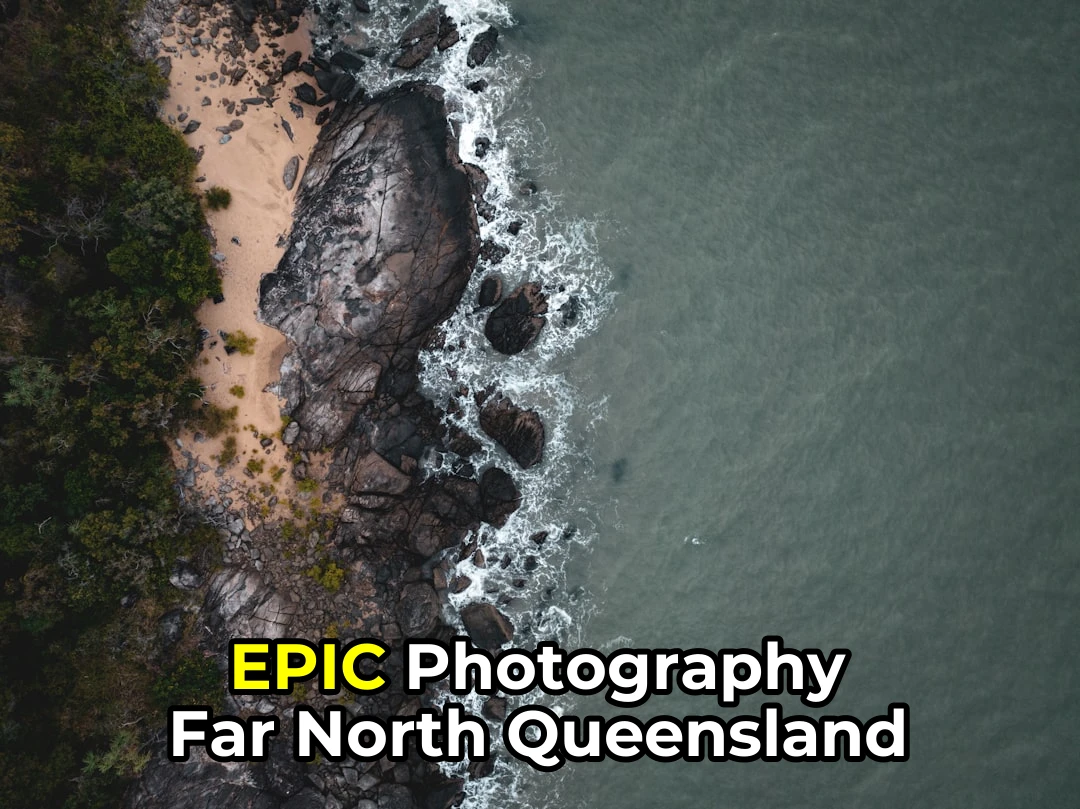
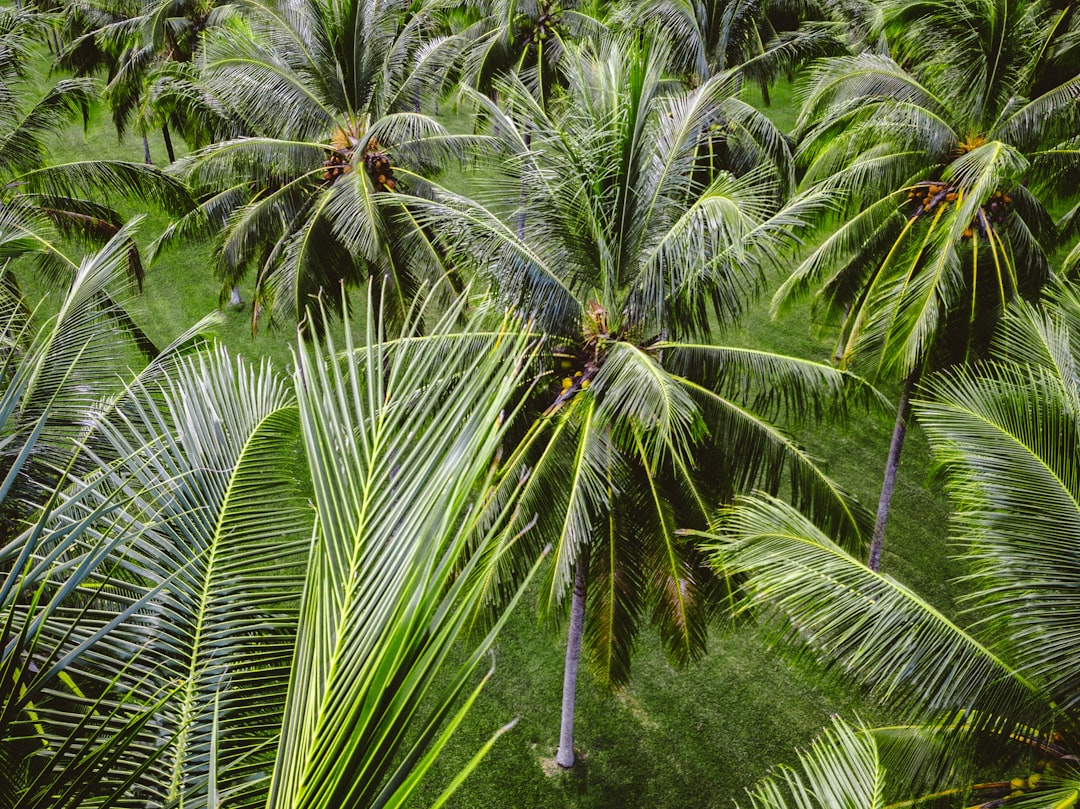
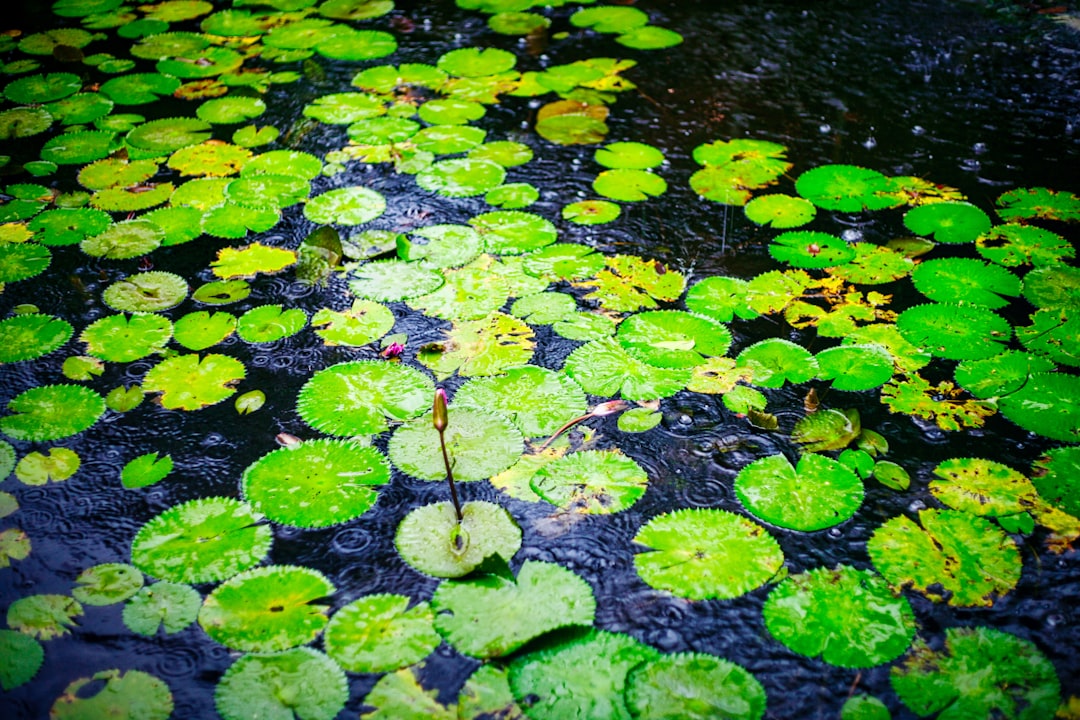
The heavy, humid air clings to your skin like a second layer of clothing, carrying the distinct scent of wet earth and decaying rainforest leaves that define the Daintree. Just as the sun breaches the horizon, shafts of golden light pierce through the dense canopy, illuminating dust motes dancing in the stillness. It is a visual chaos of beauty—shadows deep enough to hide secrets, light bright enough to blind. Then comes the jarring, industrial rumble of a tour bus engine starting nearby, breaking the spell and shattering the illusion that you are the only person on earth. This is the “Golden Hour Trap,” a moment every photographer chases, often missing because they are too busy adjusting ISO settings to feel the humid breeze. Standing on the edge of that canopy bridge, you realize the “perfect” shot isn’t always taken at 6 AM when the guidebooks tell you to be. Instead, true mastery of Far North Queensland’s photographic soul comes from understanding its moods, not just its clock.
2. The Photographer’s Calendar: Understanding Light Personalities
To capture the rugged beauty of Far North Queensland, you must stop thinking in months and start thinking in “Light Personalities.” The region shifts dramatically from the chaotic, saturated greens of the wet season to the blinding clarity of the dry months.
The Wet Season’s Dramatic Contrast (November – April)
Embrace the chaos. During these months, heavy rains create high-contrast scenes that are perfect for black-and-white photography or saturated colour shots. The lush greenery against dark, brooding skies offers a mood that clear-sky photos simply cannot replicate.
* Focus: Texture and mood over clarity. Learn to turn a “bad weather” day into your best portfolio piece by focusing on the way rain slicks over rocks and ferns.
* Local Knowledge: Head to the Atherton Tablelands where morning mist clings to crater lakes, offering ethereal shots that are far less crowded than the Great Barrier Reef.
> Important: Humidity is your enemy during this season. Instead of relying on silica gel packs that run out quickly, store your camera in an airtight container with uncooked rice and oxygen absorbers. It’s a cheap, effective way to keep moisture from warping your lenses.
The Dry Season’s Blinding Clarity (May – October)
This is the “Peak Tourist” period, and it presents a unique challenge: harsh, overhead mid-day light that washes out colours. However, if you time it right, this is when the region shines brightest.
* The Golden Window: Shoot strictly between 7–9 AM and 4–6 PM. During these hours, the light is directional enough to reveal texture without burning out your sensor.
* Technical Advice: Use a polarizing filter to cut through the glare of the coral sea waters. This technique is essential when photographing the Great Barrier Reef, allowing you to see beneath the surface rather than just reflecting off it.
* Authentic Experience: Don’t just shoot the fish; photograph the interplay of light on water surfaces at different depths. The underwater world here is a study in refracted brilliance, visible only when you look past the obvious.
> Pro Tip: Iconic spots like the Kuranda Scenic Railway are incredibly crowded during these months. To avoid crowds in your frame, arrive before the first train or hike to alternative vantage points on the ridge for a clearer, more authentic composition.
The Shoulder Season’s Sweet Spot (May & October Transitions)
This is the “Goldilocks” zone for photographers, balancing weather stability with fewer crowds. It’s also the best time to test your equipment before committing to long expeditions.
* Practical Travel Info: Packing is key. You need gear that handles variable weather without weighing you down. Look for reliable, budget-friendly options from retailers like BCF or Anaconda to store camera bodies securely during humid transitions.
* Unexpected Discovery: Seek out the hidden waterfalls in the Daintree that are only accessible during specific low-tide windows. These secret compositions offer unique angles of crashing water against ancient rock, unseen by the mainstream tourist rush.
> Note: When investing in gear for these transitions, consider lightweight tents from brands like BCF camping gear. They offer durability without the bulk, allowing you to carry more essential camera equipment on your back.
3. Beyond the Calendar: Technical & Ethical Photography
Photography in this region is as much about ethics as it is about aperture. The wildlife here is wild, and the landscape is fragile.
Key Moments: Stories from the Field
* The Cassowary Encounter: In the Daintree, I once spent three hours waiting in silence for a Southern Cassowary. The patience required is immense, but the ethical decision *not* to use flash or lure the animal was crucial. The best photos come from respect, not intrusion. Remember, these birds are dangerous; keep your distance and let them approach on their terms.
* The Gear Failure on Fitzroy Island: I once watched my lens fog up instantly after moving from air-conditioned transport to the humid outdoors. Panic set in until I used a simple plastic bag as an improvised barrier around the camera body to equalize temperature. It’s a low-cost tip that saved thousands in equipment damage, proving you don’t always need expensive gear to solve basic problems.
* The Blue Hour at Trinity Beach: Just before sunrise, the water turns indigo near the old pier. This time offers a moody, atmospheric palette that differs vastly from golden hour’s cheerfulness. It’s perfect for long-exposure shots of the water smoothing out into silk, appealing to photographers looking for depth and mood.
The Photographer’s Checklist
1. Dynamic Range: Use exposure bracketing in high-contrast environments like the Atherton Tablelands to ensure you capture details in both shadows and highlights.
2. Wildlife Ethics: Always maintain a safe distance from green sea turtles and cassowaries. Use telephoto lenses rather than getting close.
3. Gear Maintenance: Wipe down your equipment with a microfiber cloth daily to remove salt spray and sand, which can corrode moving parts.
4. The Invitation to Look Closer
I challenge you to put down the camera for ten minutes before your next shoot. Simply observe how the light hits the water in Cairns, noting how the shadows lengthen and the colours shift from gold to blue. Far North Queensland is not just a backdrop for Instagram posts; it is a living, breathing ecosystem that rewards patience and observation.
Visit local outdoor stores like BCF or Anaconda in Cairns not just to buy the best camping gear australia has to offer, but to talk to staff who can provide real-time advice on current conditions. They know when the rains are coming and where the locals go to escape the crowds.
The “best” time to photograph this region isn’t dictated by a calendar, but by your willingness to adapt to the land’s rhythm. When you finally raise the lens, do so with intention, not just habit. The quiet beauty of dusk is waiting, but only if you take the time to truly see it.
Frequently Asked Questions
What is the best time of year for high-contrast photography in Far North Queensland?
The wet season, specifically from November to April, offers dramatic contrast ideal for black-and-white or saturated colour photography. During these months, heavy rains create lush greenery against dark, brooding skies, allowing photographers to focus on texture and mood rather than clarity. The Atherton Tablelands are particularly recommended during this period, as morning mist clings to crater lakes, providing ethereal shots that are less crowded than the Great Barrier Reef.
How can I protect my camera equipment from humidity during the wet season?
Humidity is a significant enemy during the November to April period. Instead of relying on silica gel packs that deplete quickly, store your camera in an airtight container alongside uncooked rice and oxygen absorbers. This method is cheap and effective at preventing moisture from warping your lenses. Additionally, wipe down equipment daily with a microfiber cloth to remove salt spray and sand, which can corrode moving parts over time.
What are the optimal shooting hours during the dry season?
The dry season, running from May to October, features harsh overhead mid-day light that can wash out colours. To avoid this, shoot strictly between 7–9 AM and 4–6 PM when the light is directional enough to reveal texture without burning out your sensor. For Great Barrier Reef photography, use a polarizing filter during these hours to cut through glare on coral sea waters, allowing you to see beneath the surface rather than just reflecting off it.
Where can I find affordable gear and local advice for photography trips?
Visit local outdoor stores like BCF or Anaconda in Cairns to purchase reliable, budget-friendly gear such as lightweight tents and camera storage solutions. Staff at these retailers can provide real-time advice on current weather conditions and recommend local spots to escape crowds. They are valuable resources for obtaining practical tips on handling variable weather during the shoulder seasons of May and October.

Be the First to Comment
Sign in to start the conversation.