

Did you know that spring in South East Queensland triggers a biological alarm clock for over 400 species of insects, turning the eucalyptus forests into a buzzing, humid haze? For mountain bikers, this isn’t just a pretty backdrop; it’s a complex ecological puzzle. Spring in SEQ is a season of volatility, where rapid temperature swings and unpredictable rainfall can turn a technical ride into a logistical challenge. Understanding this biological shift is the first step to unlocking the best trails in South East Queensland, from the red dirt of the Sunshine Coast to the hidden gems around Brisbane. Instead of fighting against nature, smart riders learn to work with the rhythm of the season.
The Mud Myth vs. The Spring Reality
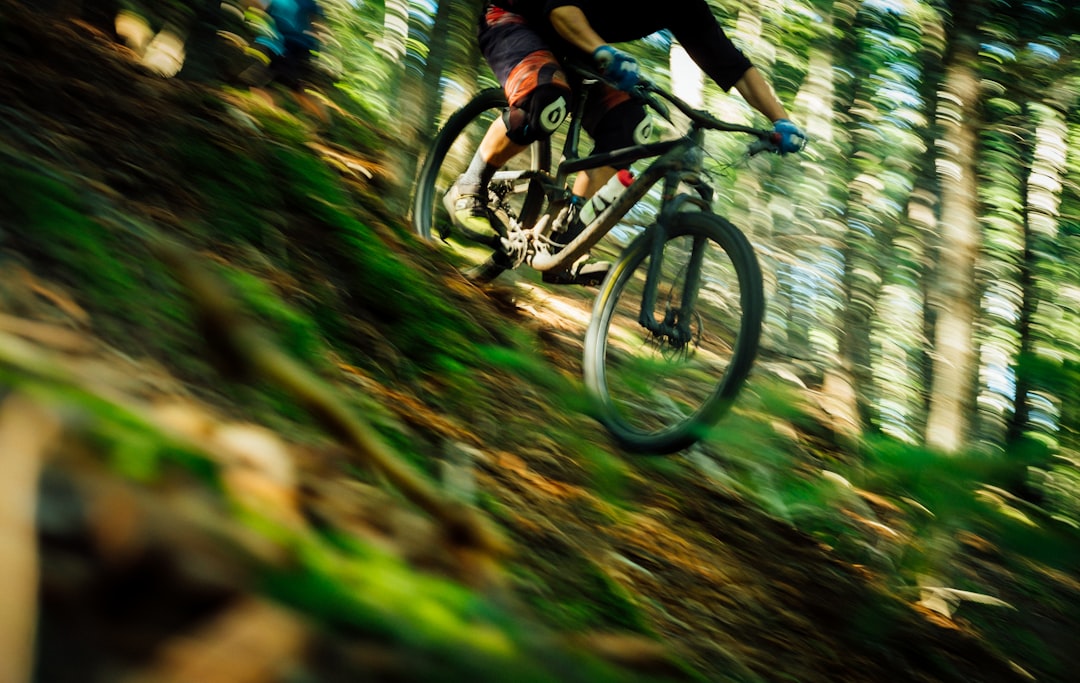
There is a pervasive myth in the local riding community that spring always means deep, sucking mud. While this was true a few decades ago, recent dry spells in SEQ have fundamentally changed trail conditions. Today, spring often presents firmer tracks than the wet winter months, but it introduces new hazards like loose shale and dry creek beds that can be surprisingly slippery.
Local riders at popular hubs like the Glass House Mountains or Noosa National Park are adapting their gearing to handle these shifting conditions. The consensus among the trail crew is to drop your gear ratio. By switching to lower gears and wider tires (2.4 inches or more), you gain the traction needed for loose surfaces without sacrificing too much speed.
* Check Trail Reports: Before heading out, always check local council updates for trail status.
* Gearing Strategy: A 1×11 or 1×12 setup with a large bottom cog (34t or larger) is essential for spring shales.
* Tyre Pressure: Drop pressures by 5-10 PSI to increase contact patch on loose dirt.
> Pro Tip: If you notice your tires spinning out on the shale, don’t just pump them up. Sometimes running slightly softer pressures with a puncture sealant ready allows the tyre to “bite” into the loose rock better than high pressure would.
Local Secrets: Where the Crowds Aren’t
While the Glass House Mountains draw thousands of visitors, true spring solitude can be found in the less heralded sections of the Blackall Range. These trails offer a mix of hard-pack and technical rock gardens that recover faster after spring rains due to better drainage. Additionally, the hidden loops around Lake Burpengary offer a flatter alternative for those looking to avoid the steep, mud-prone climbs of higher elevation tracks.
Resident trail builders have shared some crucial advice on timing your rides for the best grip:
1. Morning Rides (6 AM – 8 AM): Trails are typically drier and firmer.
2. Post-Rain Windows: Wait at least 24 hours after heavy rain for trails to cure.
3. Conservation Zones: Respect closed areas; many are shut for ground-nesting birds during spring.
Exploring these lesser-known tracks not only reduces your carbon footprint but also supports the local ecosystem by keeping traffic away from sensitive regeneration zones.
Gear Check: The Spring-Specific Kit List
Spring in South East Queensland is defined by its unpredictability. You might start your ride at 15°C in the morning shade and finish it at 25°C under a blazing sun. This swing demands a smart layering strategy and specific bike prep that goes beyond standard maintenance.
When it comes to gear, you don’t need expensive expedition-level equipment, but you do need reliable basics. Local retailers like BCF and Anaconda offer excellent options for spring-specific kit that won’t break the bank.
Essential Spring Kit:
* Lightweight Waterproofs: A simple wind/rain shell is more critical than high-end suspension upgrades. I learned this the hard way during an unexpected spring downpour on the Noosa Everglades trail; my bike suspension was perfect, but I was shivering because I hadn’t carried a basic shell.
* Sealant: Increase your sealant volume. Spring brings out seeds and debris that can plug your valve or cause slow leaks.
* Waterproof Socks: Brands like Smartwool offer merino blends that keep feet warm when wet, crucial for those chilly morning starts.
* Sun Protection: A neck gaiter and biodegradable sunscreen are non-negotiable in SEQ’s UV-heavy spring.
The Unexpected Pitstop: Flora and Fauna Awareness
Spring is not just about riding; it’s about sharing the track. The surge in insect activity signals a boom in wildlife. Snakes bask on rocks to warm up, spiders build webs across low branches, and bird species become aggressively territorial during nesting season.
Respecting these interactions is key to responsible riding. Some trails may be temporarily closed for conservation efforts, and it’s vital to honour these closures without complaint.
> Important: If you encounter a snake, stop immediately and give it space. Do not attempt to move it or ride through the area where it was seen. Give a wide berth and let it retreat on its own terms.
Being aware of your surroundings also means recognising the beauty of the season. Riding through blooming banksia and waratah creates a sensory experience that few other seasons can match. However, this beauty comes with responsibility. Clean your bikes after spring rides to prevent spreading fungal spores and seeds between ecosystems, protecting the delicate balance of SEQ’s flora.
Key Takeaways
* Spring is Volatile: Conditions change rapidly; flexible planning is key.
* Gearing Matters: Lower gears and wider tires handle loose shale better.
* Local Knowledge is Gold: Seek out lesser-known trails like Blackall Range for solitude.
* Respect Nature: Be aware of wildlife, respect closures, and clean your bike to protect the ecosystem.
Spring in South East Queensland offers a unique challenge for mountain bikers. It’s not just about conquering the trail; it’s about understanding the rhythm of the land. By preparing your gear, respecting local secrets, and acknowledging the vibrant life around you, you’ll find that spring is arguably the most rewarding season to ride in SEQ. So, lace up, check your sealant, and get out there – the trails are calling, and they’re blooming.
Frequently Asked Questions
What gear adjustments are recommended for spring riding in South East Queensland?
Local trail crews advise switching to a 1×11 or 1×12 setup featuring a large bottom cog of 34t or larger to manage loose shale effectively. You should also fit wider tires, specifically 2.4 inches or more, to gain necessary traction without losing speed. Additionally, dropping your tyre pressure by 5-10 PSI increases the contact patch on loose dirt. If tires spin out, running slightly softer pressures with puncture sealant allows the tyre to ‘bite’ into loose rock better than high pressure would.
When is the best time to ride to avoid mud and ensure firm tracks?
For the best grip, aim for morning rides between 6 AM and 8 AM, as trails are typically drier and firmer during these hours. If you miss the morning window, wait at least 24 hours after heavy rain for trails to cure properly. It is also crucial to respect conservation zones that may be closed for ground-nesting birds during spring, ensuring you only ride on open and safe sections.
Where can I find quieter trails with good drainage in SEQ?
While popular hubs like Glass House Mountains attract thousands, you can find solitude in the less heralded sections of the Blackall Range. These trails offer a mix of hard-pack and technical rock gardens that recover faster after spring rains due to superior drainage. For a flatter alternative avoiding steep, mud-prone climbs, consider exploring the hidden loops around Lake Burpengary.
What essential spring kit should I bring for unpredictable weather?
Spring in SEQ brings temperature swings from 15°C to 25°C, requiring smart layering. Essential kit includes lightweight waterproofs like a wind/rain shell, which is more critical than high-end suspension upgrades. Brands like BCF and Anaconda offer affordable options. Also bring waterproof socks (merino blends from Smartwool are recommended), increase your sealant volume to handle debris, and use a neck gaiter with biodegradable sunscreen for SEQ’s heavy UV.



Be the First to Comment
Sign in to start the conversation.