
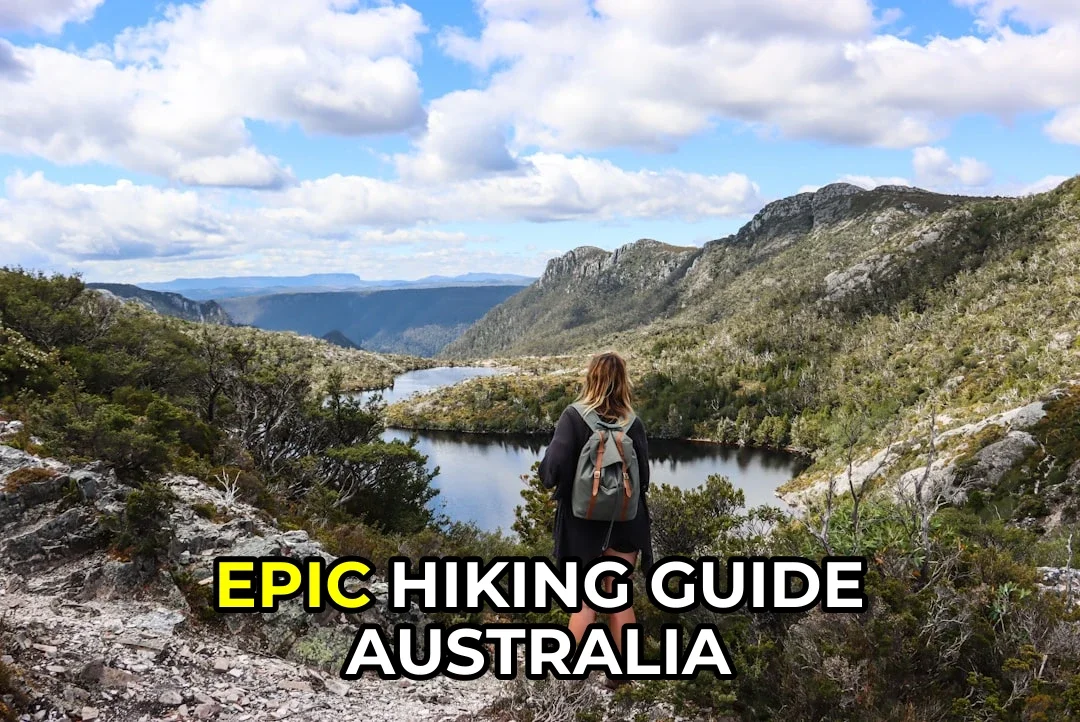
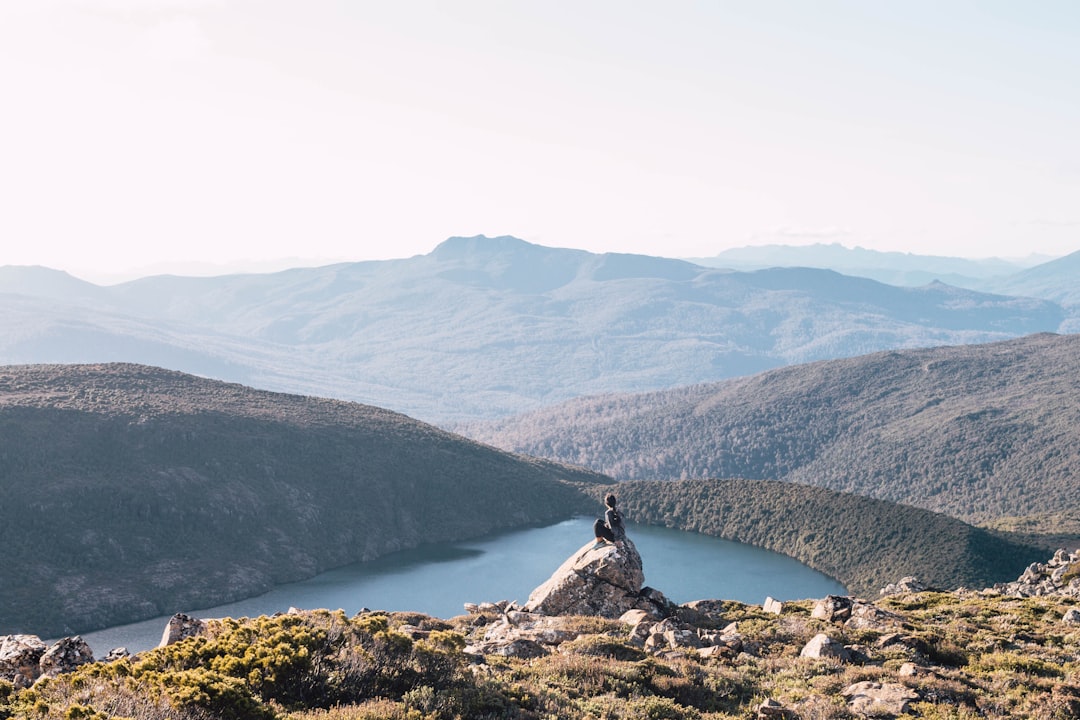
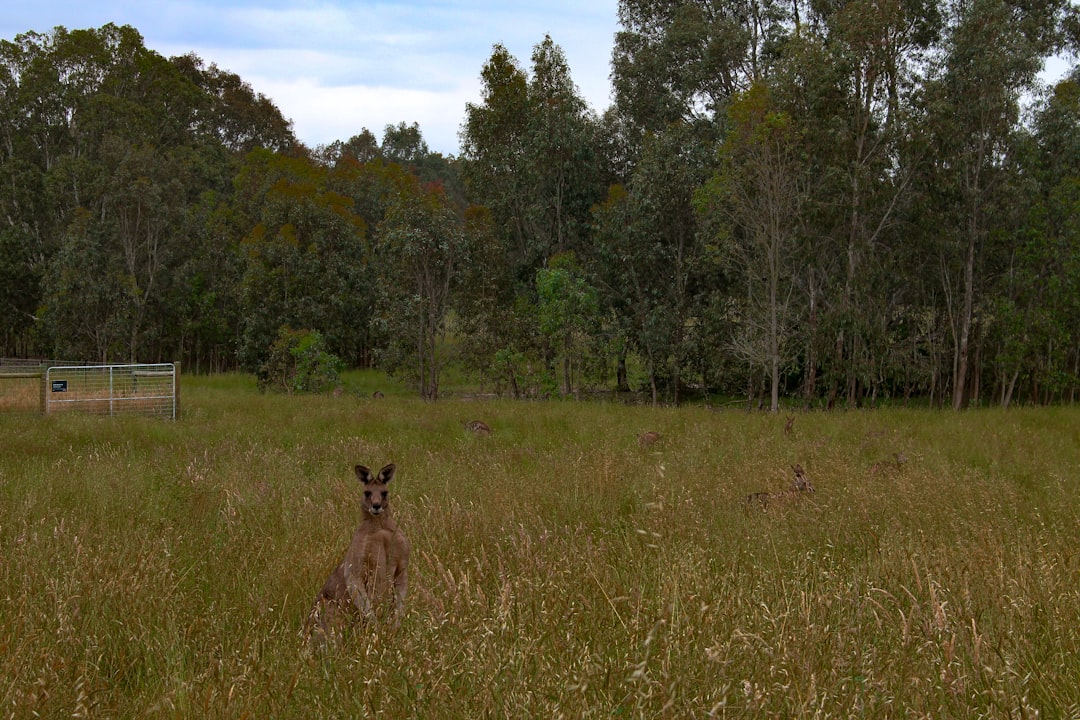
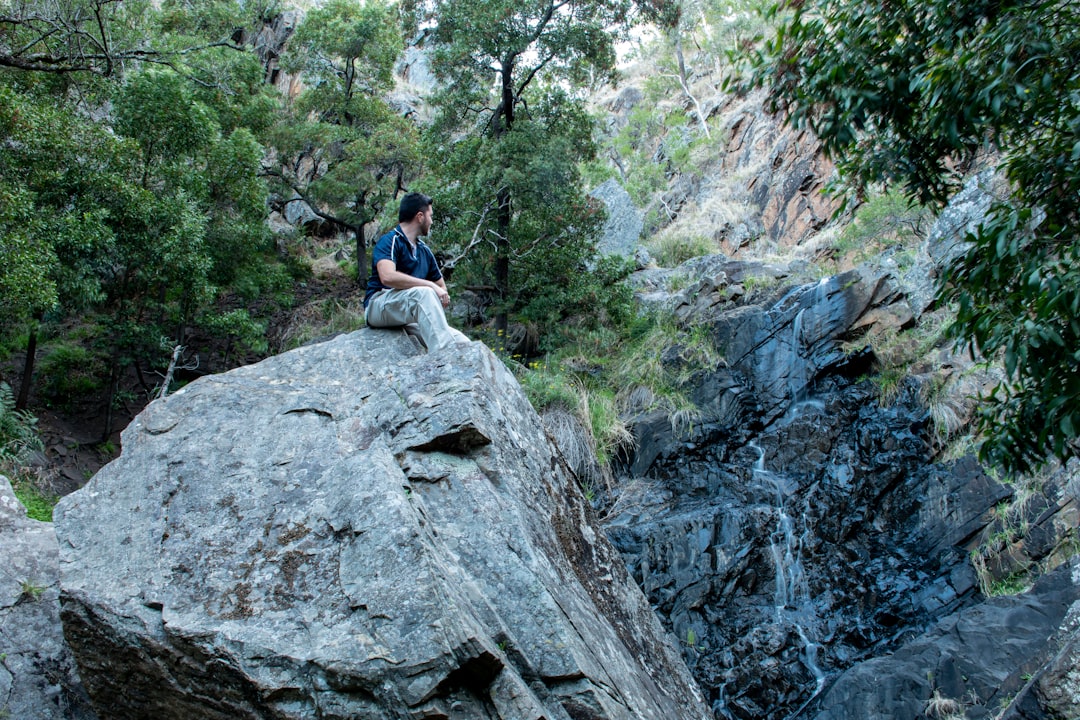
The air hits you first—not just cool, but thick with the scent of crushed eucalyptus leaves and ancient, damp earth. It is a sharp, medicinal fragrance that clears the sinuses before your eyes even adjust to the grey-blue haze stretching out into infinity. Below you, the valley floor is a patchwork of deep shadows and sunlight, broken only by the jagged silhouette of sandstone cliffs that have stood since the Permian era. Your boots feel heavy, not from weight, but from the anticipation of gravity pulling you toward a descent that feels less like walking and more like stepping into a different geological epoch. This is not merely a trail; it is an invitation to the Blue Mountains, where the silence is loud enough to hear your own heartbeat syncing with the rustle of the gum trees.
I. The Ascent – Preparing for the Altitude (The “Before” Phase)
Standing at the edge of the Great Dividing Range in New South Wales, you are looking at a landscape that defies the gentle stereotype of “easy” bushwalking. The Blue Mountains National Park is a complex geological puzzle box, where elevation changes are deceptive and microclimates shift faster than the weather forecast predicts. To treat this terrain like a flatland park walk is to invite trouble.
The Gear That Fails (And What You Need Instead)
In Sydney’s urban parks, your light sneakers might suffice for a two-hour wander. In the Blue Mountains, they are liabilities. The terrain is dominated by Wianamatta Shale and Australian White Sandstone, which erode into treacherous, uneven steps. These aren’t the neat stone stairs of a city garden; they are jagged, moss-slicked fractures in the rock face that demand respect.
- Ankle Support: You need high-cut hiking boots that lock your ankle in place. The uneven sandstone requires constant micro-adjustments to avoid sprains.
- Grip Technology: Look for Vibram® soles or similar high-friction rubber compounds. When the morning mist settles, the sandstone turns to glass-like ice.
- Layers, Not Cotton: The “Three Sisters” area is notorious for rapid temperature drops. If you catch the wind coming off the escarpment, 15°C can feel like 5°C instantly. Wool or synthetic layers are essential; cotton will kill you if it gets wet.
The Hydration Paradox
Here is a piece of local knowledge that trips up visitors from coastal regions: You need to drink more water than you think. The dense eucalyptus canopy creates a high-transpiration environment. The trees are constantly exhaling moisture, keeping the air humid but your body dehydrated because you aren’t seeing “sweat” on your skin in the cool air.
II. The Ridge – Navigating the Sandstone Labyrinth (The “During” Phase)
Once you are on the trail, the real challenge begins: navigation. The Blue Mountains National Park is vast, and while signage exists, it is often faded by UV exposure or obscured by overgrown native ferns. Understanding the geology is your best navigation tool.
The Geology of Direction
Sandstone cracks along predictable fault lines. When GPS signals fail—which happens frequently in deep gullies like the Katoomba Scenic Rail area—you must learn to read the rock. Look for “chips” or artificial breaks in the natural fractures; these are your markers. Natural erosion patterns tend to slope towards the western escarpment.
Trail Tiers: Finding Your Level
We categorize the trails into three distinct tiers to help you plan your day.
Tier 1: The Family Stroll (Easy)
Recommended Trails: Went’s Falls, Jubilee Walk.
These trails are paved or well-graded boardwalks. They offer sensory richness—listen for the tumbling water of Went’s Falls and touch the smooth bark of ancient gums. They are stroller-accessible (check specific park conditions) and offer stunning views without the physical toll. Perfect for introducing children to the concept of “bushwalking.”
Tier 2: The Day Hiker’s Challenge (Moderate)
Recommended Trails: Grand Canyon Walk, Prince Henry Cliff Walk.
This is the bread and butter of Blue Mountains hiking. The Grand Canyon, despite its name, is a series of deep gorges with significant elevation changes (over 200m vertical descent). It involves rock scrambling and steep stairs. You need moderate fitness, good knees, and a head for heights.
Tier 3: The Expert’s Test (Hard)
Recommended Trails: Mount Solitary, Colongra to Gnarawara.
Multiday treks that require bushcraft skills. These are remote, with no cell service and limited water sources. They demand emergency planning, map-reading skills, and the ability to self-rescue if injured.
The “Eucalyptus Burn” Anecdote
I recall my first intense hike near Leura, shortly after a heavy summer storm. The air was saturated with the scent of crushed gum leaves—intense, almost chemical. Within an hour, I developed a mild headache and eye irritation. A local ranger explained this as “eucalyptus burn,” caused by the high concentration of volatile organic compounds released when the plants are stressed or damaged by rain. If you smell strong eucalyptus oil after rain, it means the air is saturated. Take slow, deep breaths, or step out of the dense forest for fresh air. It’s a natural irritant, and while not dangerous, it can ruin your day if you ignore the smell.
III. The Descent – Respecting the Ecosystem (The “After” Phase)
The hike isn’t over when you reach the lookout. How you leave the trail matters just as much as how you walked it. The Blue Mountains are an ecological treasure trove, but they are fragile.
The Regent Honeyeater and the Fragile Balance
This region is one of the last strongholds for the endangered Regent Honeyeater. These birds feed on nectar from specific flowering gums and banksias. If you are hiking during winter (July–September), you might spot them. To protect them, stay on marked paths. Off-trail walking destroys the root systems of their food sources and disturbs nesting sites.
Cultural Respect: The Darug and Gundungurra Peoples
The Blue Mountains are the traditional lands of the Darug, Gundungurra, and Wiradjuri peoples. Their history here spans over 40,000 years. As you hike, acknowledge this heritage.
- Avoid Ceremonial Sites: Some rock formations and caves hold deep spiritual significance. If you see markings or feel a sense of “no entry,” respect it.
- Learn the Names: Many landmarks have Indigenous names (e.g., “Katoomba” means “waterfall that falls in steps”). Using these names shows respect and connects you to the land’s original custodians.
- No Aboriginal Artefacts: Taking stones, feathers, or artefacts is illegal and culturally offensive. Leave them for the next hiker.
IV. The Toolkit – Essential Resources for the Modern Hiker
To make the most of your trip, you need more than just good boots. You need reliable data.
Base Camp Towns: Where to Stay
Your accommodation choice can dictate your hiking experience.
- Katoomba: The tourist hub. Best for amenities, restaurants, and easy access to the “Big Three” trails (Three Sisters, Scenic World). Pros: Everything you need. Cons: Crowded on weekends.
- Leura: Boutique experiences, artsy cafes, and quieter trails. Best for couples or those seeking a slower pace. Pros: Beautiful gardens, less traffic. Cons: Fewer large-scale tour operators.
- Blackheath: For quiet solitude. Best for serious hikers wanting to start early on remote trails like the Grand Canyon without the Katoomba crowds. Pros: Peace, authentic country feel. Cons: Limited dining options after 7 PM.
Essential Digital Resources
In 2026, offline capability is key. Ensure you have the following pre-downloaded:
- National Parks NSW App: The official app provides offline maps, trail conditions, and emergency contacts. It is updated regularly with fire closure notices.
- AllTrails (Offline Mode): Good for user-generated photos, but always cross-reference with the official park maps for safety.
- Emergency Contacts: Save 000 (Triple Zero) for life-threatening emergencies. For non-life-threatening issues, save the local Ranger Station numbers (available in the National Parks app). Rangers are your best resource for real-time trail closures.
What Is Not Covered: The Backcountry Permit
This guide focuses on day hikes and accessible trails. If you are interested in multi-day backcountry camping (e.g., the Three Man Pot trail or remote sections of the Grand Canal), you will need a separate Backcountry Permit. These require specialized planning, water carrying capacity for 24+ hours, and often bushcraft courses. Do not attempt these without prior experience.
Conclusion: Your Blue Mountains Adventure Awaits
The Blue Mountains are not just a backdrop for photographs; they are a living, breathing entity that demands your attention and respect. From the deceptive ease of the family strolls to the physical rigor of the expert tests, this landscape offers a spectrum of experiences that will challenge and reward you.
Key Takeaways:
- Gear Matters: Invest in ankle-supporting boots and layer for microclimates.
- Hydration is Critical: Drink more water than you think due to eucalyptus transpiration.
- Read the Rock: Use geology and signage, not just GPS, for navigation.
- Respect the Culture: Acknowledge the Darug and Gundungurra peoples, and stay on marked paths to protect endangered species.
Whether you are a beginner seeking the gentle falls of Went’s Falls or an expert aiming for the summit of Mount Solitary, the Blue Mountains offer a gateway to the heart of Australian bushwalking. The air is cool, the scents are sharp, and the adventure is yours to find. So, lace up your boots, check your water levels, and step into the blue haze.
Frequently Asked Questions
What specific gear is essential for hiking in the Blue Mountains National Park?
Due to the terrain dominated by Wianamatta Shale and Australian White Sandstone, you must wear high-cut hiking boots with Vibram® soles to prevent ankle sprains on jagged, moss-slicked rock faces. Avoid cotton layers; instead, pack wool or synthetic materials to handle rapid temperature drops near the ‘Three Sisters’ where 15°C can feel like 5°C. It is highly recommended to visit local outfitters in Katoomba or Leura, such as Blue Mountains Trekking or Leura Outdoor Store, to get boots tested against specific shale-to-sandstone transitions found on Scenic World tracks.
How much water should I carry for a hike in the Blue Mountains?
You need to drink significantly more water than you might expect due to the high-transpiration environment created by dense eucalyptus canopies. Carry at least 3 litres for hikes lasting longer than three hours, and increase this to 4–5 litres if hiking during summer (December–February). Dehydration here often manifests as a sudden headache rather than visible sweat. Do not rely on refill stations along remote trails like the Grand Canyon Walk or Mount Solitary, as some sections are devoid of facilities for kilometers.
When is the best time to visit the Blue Mountains for wildlife spotting?
Winter (July–September) is the optimal time to spot the endangered Regent Honeyeater, as these birds feed on nectar from specific flowering gums and banksias during this season. However, be aware that winter brings rapid temperature drops and potential wind chill off the escarpment. Regardless of the season, always stay on marked paths to protect the root systems of their food sources and avoid disturbing nesting sites. Remember that dogs are strictly prohibited in many sections to prevent stress to native animals like the Brush-tailed Rock-wallaby.
What are the different hiking difficulty tiers available in the Blue Mountains?
Trails are categorised into three tiers to help you plan. Tier 1 (Family Stroll) includes easy, stroller-accessible trails like Went’s Falls and Jubilee Walk with paved or well-graded boardwalks. Tier 2 (Day Hiker’s Challenge) features moderate trails like the Grand Canyon Walk and Prince Henry Cliff Walk, which involve significant elevation changes over 200m and require good fitness. Tier 3 (Expert’s Test) includes remote, multiday treks like Mount Solitary and Colongra to Gnarawara, which demand bushcraft skills, map-reading ability, and emergency planning due to a lack of cell service.
What digital resources and safety protocols are recommended for modern hikers?
Ensure you have the National Parks NSW App downloaded, as it provides offline maps, trail conditions, and emergency contacts including fire closure notices. Save 000 for life-threatening emergencies but also store local Ranger Station numbers from the app for non-life-threatening issues. Cell service is unreliable in valleys like Wentworth Falls or around Mount Solitary, so always inform someone of your planned route and expected return time. For multi-day backcountry camping on trails like Three Man Pot, you must obtain a separate Backcountry Permit and possess specialized bushcraft skills.



Be the First to Comment
Sign in to start the conversation.