


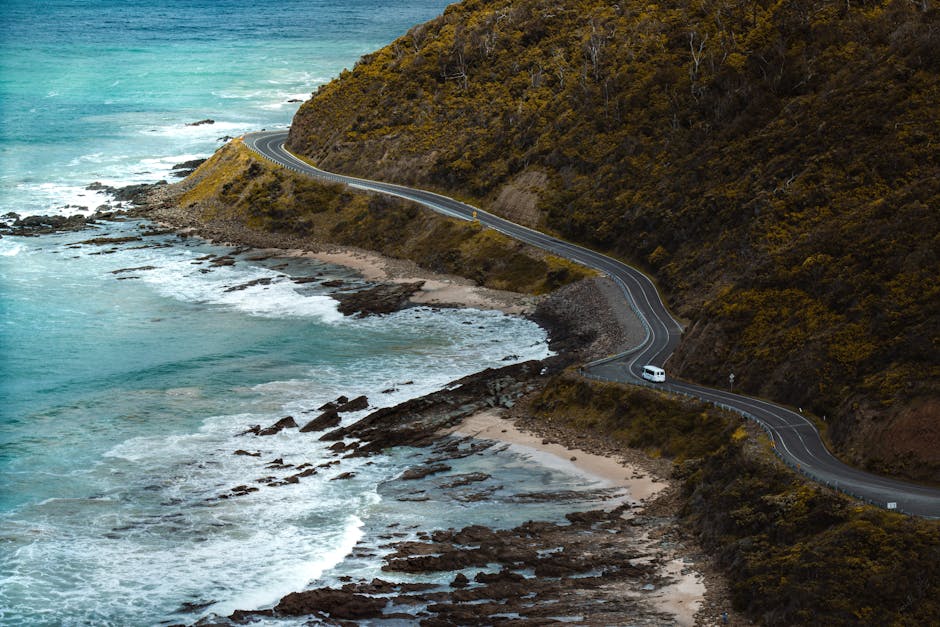
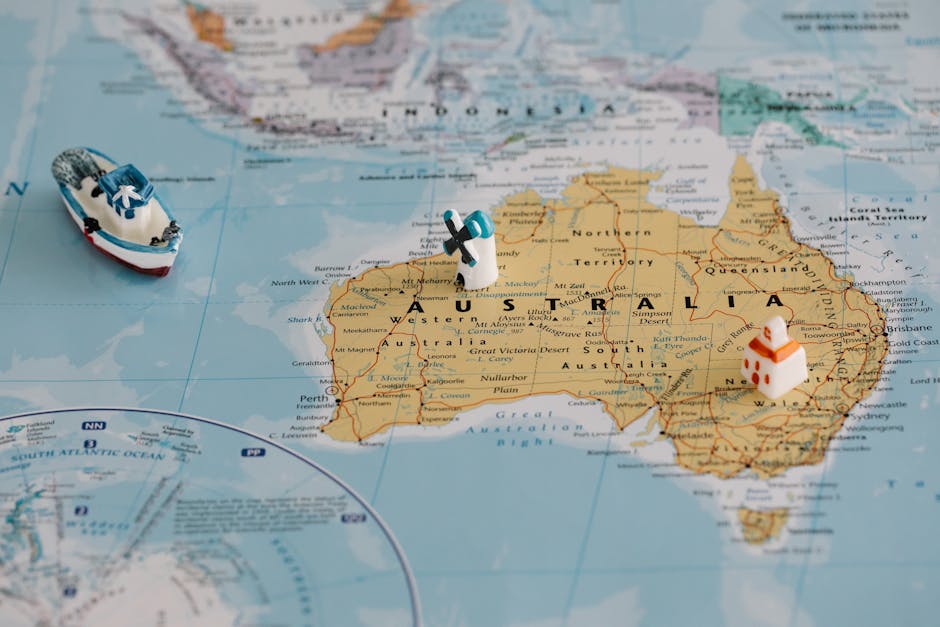
In 2024, NSW Rural Fire Service data revealed that over 65% of bushwalking rescues involved individuals who were completely unprepared for basic weather shifts, not because the terrain was impossibly technical, but because they underestimated the Australian sun’s intensity. Yet, despite these statistics, bushwalking remains the single most accessible outdoor activity in Australia, with Parks Victoria reporting a 14% year-over-year increase in national park visits since 2023. As we move through 2026, the cultural landscape of Australian bushwalking has shifted; it is no longer just about reaching a summit but about understanding the fragile ecosystems that make up our continent. Whether you are planning an extended 10 day road trip Australia itinerary or a quick 48-hour getaway from Melbourne, integrating bushwalking into your travel plans requires a specific set of skills that go far beyond packing a pair of sneakers. This guide bridges the gap between casual tourist and informed adventurer, providing you with the comprehensive insights needed to explore our vast wilderness safely.
1. The Digital Archaeology: Pre-Trip Planning in the Modern Era
Before you even touch your hiking boots, the most critical phase of your bushwalk occurs on your screen. In 2026, the era of relying solely on outdated guidebooks is over. The modern bushwalker must engage in “digital archaeology”—sifting through layers of real-time data to understand the current state of the track.
Mastering Official Park Apps
State governments have streamlined access to park information, but only if you know where to look. Whether you are visiting the Blue Mountains in New South Wales or the Grampians in Victoria, official apps (such as *NSW National Parks* or *Vic Parks*) are your first line of defence.
* Real-Time Closures: Unlike static websites, these apps push notifications for track closures due to fallen trees, severe weather damage, or breeding bird alerts.
* Digital vs. Physical Maps: While GPS accuracy has improved, battery life remains a critical vulnerability. Expert Note: Always download offline topographic maps within the app before you leave Wi-Fi range. Do not rely on your phone’s GPS alone; carry a physical map and compass as a backup.
Decoding Difficulty Ratings
One of the most common pitfalls for beginners is misinterpreting difficulty ratings, which vary significantly by state.
* Victoria: “Moderate” often implies steep granite steps and significant elevation gain, similar to a gym stair-climbing session.
* Western Australia: “Moderate” may refer to long distances over flat, sandy terrain (like the Bibbulmun Track), which can be deceptively exhausting due to heat and unstable footing.
* New South Wales: Ratings frequently incorporate “exposure” (cliff edges) and “scramble sections,” not just distance.
Key Takeaways for Planning:
* Check the National Parks website of your specific destination 48 hours before departure.
* Look for Indigenous Cultural Heritage Notices, which may restrict access to certain areas during sacred periods.
* Verify Fire Ban status (RFS in NSW, CFA in Victoria) as some tracks close completely during high-risk days.
2. The Gear Audit: Beyond the Basics
The Australian environment is unique in its hostility to incorrect gear choices. High UV levels, unpredictable rain, and abrasive terrains demand a specific equipment strategy that differs from European or North American hiking standards.
Footwear: The Terrain Dictates the Boot
Choosing between trail runners and rigid boots is not a matter of preference; it is a function of geology.
* Blue Mountains (Sandstone): The rock here is often smooth when wet and crumbly when dry. Stiff boots are unnecessary; flexible trail runners with good grip provide better comfort for multi-kilometre walks.
* The Grampians (Granite): This terrain features steep, polished granite steps. Here, rigid boots with ankle support are non-negotiable to prevent roll injuries and knee strain over long descents.
* Queensland (Red Dirt): Soft, abrasive soil requires footwear with durable soles and gaiters to keep fine red dust out of your shoes, which causes blisters.
The Cotton Danger
In Australia, wearing cotton is not just “uncomfortable”; it is potentially dangerous. In temperate regions like Tasmania or the Australian Alps, a cotton t-shirt absorbs sweat and moisture rapidly. When the wind picks up (common in coastal ranges), this wet fabric draws heat from your body, leading to hypothermia even in summer.
Recommended Fabric Strategy:
* Base Layer: Merino wool or synthetic moisture-wicking blends.
* Mid Layer: Lightweight fleece for insulation.
* Outer Layer: A breathable, waterproof/water-resistant shell (Gore-Tex or similar).
The “Leave No Trace” Gear Checklist
Modern bushwalking includes environmental stewardship as a core gear component. Your kit should include:
1. Biodegradable Soap: For washing dishes or yourself, ensuring no chemicals enter waterways.
2. Waste Bags: Heavy-duty bags for packing out all trash, including food scraps (which attract pests).
3. Hand Sanitizer: Essential when toilet facilities are unavailable, preventing the spread of illness in shared spaces.
3. On-Track Decision Making: The Walk Itself
Once you are on the trail, your role shifts from planner to active decision-maker. The Australian bush is dynamic, and conditions change rapidly. This section focuses on real-time navigation and hazard management.
Reading Track Markers
Australian track markers are generally standardized, but nuances exist:
* Colour-Coded Posts: Used on major multi-day walks (e.g., Great Ocean Road Walk). Follow the colours strictly.
* Cairns: Piles of rocks marking off-track or less-frequented paths. Do not build your own cairns unless the path is completely unmarked and you are in a designated backcountry area.
* Yellow Arrows: Painted on trees or rocks, these are common in NSW.
What to do when markers disappear:
1. Stop immediately. Do not push forward.
2. Look back: Often, the path is visible behind you if you backtrack 50–100 metres.
3. Consult your map: Identify the last known feature (a junction, a stream crossing) and triangulate your position.
The Concept of “Micro-Climates”
A 5km walk from the coast to a mountain peak can experience four distinct seasons. This is particularly true in the Great Dividing Range.
* Base Level: Hot, humid, and dry.
* Mid-Altitude: Cooler, with increased moisture and cloud cover (the “mist” effect).
* Peak: Windy, cold, and exposed.
Actionable Advice: Layer your clothing dynamically. Start with a light t-shirt, but have your waterproof shell accessible *before* you reach the exposed sections. Adjust your pace based on elevation gain, not just distance. A 2km climb is significantly more taxing than 5km of flat ground in terms of cardiovascular stress.
Personal Story: The Great Ocean Road Granite Grind
*During a recent trek on the Great Ocean Road Walk in Victoria, I witnessed firsthand how terrain dictates gear. A group of tourists in flexible trail runners struggled significantly on the steep granite steps near Loch Ard Gorge. Their knees were shaking, and they were sliding back on the polished rock. In contrast, hikers with rigid boots moved with confidence, using their ankle support to navigate the uneven terrain. This wasn’t about “hardcore” hiking; it was about matching equipment to the geological reality of the track. It reinforced that “Moderate” in Victoria is a serious physical challenge, not a casual stroll.*
Emergency Protocol: The “STOP” Rule
If you feel lost, injured, or in danger, adhere to the STOP rule:
1. S – Sit: Stop moving. Panic leads to poor decisions.
2. T – Think: Assess your situation. Do you have water? Is anyone injured? What is the weather doing?
3. O – Observe: Look around for landmarks, shelter, or other hikers. Check your gear and supplies.
4. P – Plan: Formulate a strategy. If you are lost, stay put and signal for help. Do not wander further into the unknown.
4. Post-Walk Integration: The Legacy of Your Walk
The bushwalking experience doesn’t end when you step off the track. In 2026, responsible bushwalking includes a commitment to ecological preservation and community contribution.
Cleaning Gear: Fighting Root Rot
One of the biggest threats to Australian ecosystems is *Phytophthora cinnamomi*, a water-borne pathogen that causes root rot in plants like Banksia and Grevillea. It spreads through soil on boots, tyres, and dogs.
Mandatory Protocol:
* Clean Before You Go: Clean your boots and gear before *starting* any walk in a sensitive area.
* Dry Completely: Many pathogens die when dry, but some survive in moist mud.
* Use a Dip Station: Many parks now have “clean, dry, sealed” dip stations. Use them if available.
* At Home: Scrub your boots with a stiff brush and wash them with soapy water. Allow them to dry completely in the sun before storing.
Contributing to Crowd-Sourced Data
Platforms like AllTrails and local park registries rely on user data. By logging your walk, you help future adventurers.
* Report Conditions: Did the track get muddy after rain? Was a bridge washed out? Post this information immediately.
* Update Difficulty: If you found the “Easy” rating misleading, note it in your review. This helps others prepare realistically.
Engaging with Indigenous Heritage
Bushwalking is not just a physical activity; it is an opportunity to connect with the world’s oldest living culture.
* Guided Tours: Consider booking a guided walk with local Indigenous guides, such as the Birrarung Walk in Melbourne’s Dandenong Ranges or the Gubinge (Kununurka) Dreaming Walk in WA. These tours provide context about plant uses, storylines, and spiritual connections to the land that you would otherwise miss.
* Respect Cultural Sites: If you encounter rock art or sacred sites, do not touch them. Maintain a respectful distance and follow all signage.
Conclusion: The Cycle of Responsible Adventure
Bushwalking in Australia is a privilege that comes with significant responsibility. It requires us to move beyond the role of passive tourists and embrace the identity of active stewards. By engaging in thorough digital planning, auditing our gear with a critical eye, making informed decisions on the track, and contributing to ecological preservation post-walk, we ensure that these trails remain accessible for future generations.
Whether you are embarking on a 7-day road trip from Sydney and want to break up the driving with a day hike, or you are planning an epic road trip Australia itinerary that spans multiple states, remember that the quality of your experience is directly proportional to the respect you show for the environment.
The silence of the red earth, the crunch of granite underfoot, and the vastness of the sky are gifts. Let us ensure they remain so by walking lightly, thinking deeply, and always being prepared.
Key Takeaways:
* Plan Digitally: Use official park apps for real-time closures and offline maps.
* Gear Specifically: Match footwear to terrain (granite vs. sandstone) and avoid cotton.
* Respect Micro-Climates: Adjust layers for elevation changes, not just distance.
* Clean Your Gear: Prevent the spread of root rot by cleaning boots before and after walks.
* Contribute Data: Log conditions and difficulties to help future hikers stay safe.
Frequently Asked Questions
How do I plan my bushwalk using modern digital tools?
In 2026, rely on ‘digital archaeology’ using official state apps like NSW National Parks or Vic Parks rather than outdated guidebooks. These applications provide real-time notifications for track closures due to weather or fallen trees. Crucially, always download offline topographic maps before leaving Wi-Fi range, as GPS battery life is a vulnerability. Additionally, check the National Parks website 48 hours before departure for Indigenous Cultural Heritage Notices and current Fire Ban status from the RFS or CFA, which may close specific tracks on high-risk days.
What footwear should I choose for different Australian terrains?
Footwear must match the local geology. For the Blue Mountains’ smooth, crumbly sandstone, flexible trail runners with good grip are preferred over stiff boots. In contrast, the Grampians’ steep, polished granite steps require rigid boots with ankle support to prevent knee strain and roll injuries. In Queensland’s red dirt regions, use durable-soled footwear with gaiters to prevent abrasive dust from causing blisters. Choosing incorrectly can lead to significant discomfort or injury, as seen with tourists struggling on the Great Ocean Road Walk.
When is the best time to bushwalk in micro-climate areas?
Timing your walk is critical when traversing areas like the Great Dividing Range, where a 5km walk can experience four distinct seasons. Start early to avoid the hot, humid base level conditions, and adjust your layering dynamically as you ascend. While the mid-altitude may be cooler with cloud cover, the peak will be windy and cold. A 2km climb imposes more cardiovascular stress than 5km of flat ground, so pace yourself according to elevation gain rather than just distance. Be aware that dense eucalyptus fog can reduce visibility to near zero at dawn and dusk in the Blue Mountains.
How much does it cost to bushwalk responsibly in Australia?
Bushwalking itself is generally free, but responsible engagement requires specific gear investments. You must avoid cotton clothing due to hypothermia risks in temperate regions like Tasmania or the Australian Alps. Instead, budget for merino wool base layers, lightweight fleece mid-layers, and a breathable waterproof shell. Essential safety gear includes biodegradable soap, heavy-duty waste bags for packing out trash, and a lightweight emergency shelter like a space blanket or bivy. These items are mandatory for 2026 standards to ensure safety in remote areas where weather can shift rapidly.
What steps must I take to prevent spreading root rot after a walk?
To combat Phytophthora cinnamomi, a water-borne pathogen affecting plants like Banksia, you must follow a strict cleaning protocol. Clean your boots and gear before starting any walk in sensitive areas, and use ‘clean, dry, sealed’ dip stations if available. After your walk, scrub boots with a stiff brush and wash them with soapy water. Allow them to dry completely in the sun before storing, as moisture allows pathogens to survive. This process is mandatory for all hikers in 2026 to protect fragile Australian ecosystems from root rot.



Be the First to Comment
Sign in to start the conversation.