

Opening Approach:
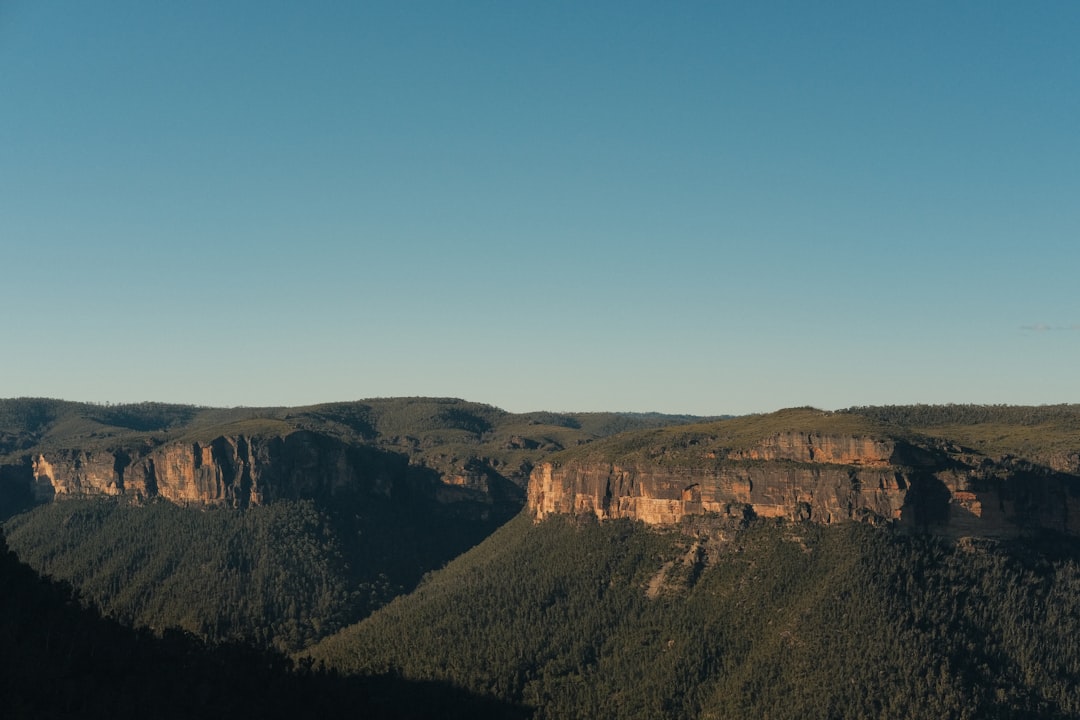
The car winds around the bend and suddenly, the land fractures open. Granite cliffs of Wilsons Promontory rise like the petrified remains of ancient tectonic dreams, their jagged edges painted in molten gold by the first light of dawn. At the edge of the Razorback Trail, a lone figure stands silhouetted against the sky, the Southern Ocean murmuring below like a sea of secrets. The air is thick with salt and damp earth—sharp, alive. A camera is raised, not in performance, but in reverence. The shutter clicks once, then again, but not for a shot. For a moment. A breath. A memory. This is not photography as conquest. It’s photography as pilgrimage. And it begins not with gear, rules, or apps, but with the quiet, startling truth: the land here doesn’t just welcome you. It sees you back.
The Unseen Lens: How Wilsons Promontory Rewires Your Eyes
The first rule of photographing Wilsons Promontory is to forget the rule book. The second? Let the landscape teach you how to see.
Here, light isn’t a variable—it’s a language. On the granite ridges of Mount Oberon, sunlight strikes with a harsh, crystalline clarity, turning rock faces into mirrors that reflect not just the sun, but the soul of the sky. But step just 200 metres south, into the eucalyptus heath, and the light changes. It diffuses, softens, bends through the canopy like a whispered secret. The south-facing cliffs at dusk don’t just catch the fading light—they absorb it, turning the air into a haze of violet and charcoal.
“I used to chase golden hour like it was a trophy,” says veteran National Park photographer and Gunaikurnai descendant, Tahlia Murnane. “Then I realised the best light isn’t when the sun’s high. It’s when it’s gone—and the world is holding its breath.”
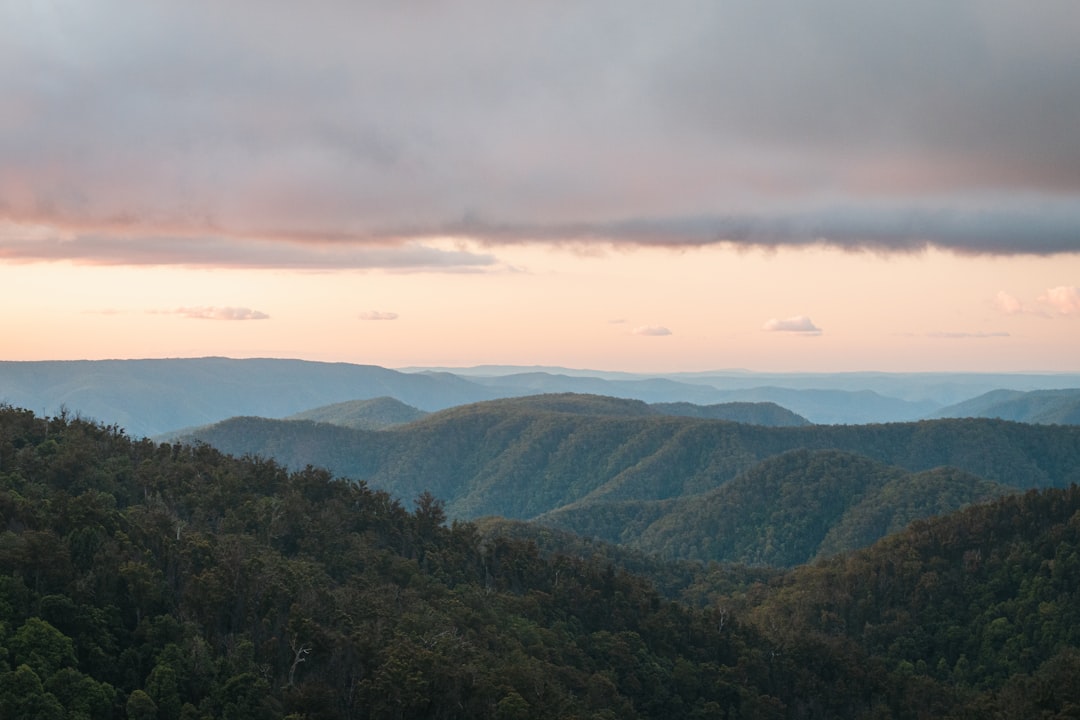
Fog, often dismissed as an obstacle, is a collaborator here. It doesn’t obscure—it redefines. A sudden fog roll at The Basin at 6 a.m. isn’t a reason to pack up. It’s an invitation. Stand still. Let it fold around you. When you finally raise your lens, the image isn’t of the sea or sky. It’s of your own shadow on the rock, blurred, almost invisible. That’s the shot that stayed with Tahlia for years.
Pro Tip: If you’re using a tripod in the coastal heath, leave it behind. The wind is the stabiliser. The rhythm of the waves is your shutter speed. Trust it.
“The rock remembers,” says Tahlia. “So does the wind. When you move with them, the camera doesn’t need to.”
**Key Takeaways**:
– Light on granite is hard and reflective; in the eucalyptus heath, it’s soft and scattered.
– Fog is not a barrier—it’s a medium. Use it to create mood, intimacy, and mystery.
– The best moments often happen when you’re not trying to capture them.
Light Behaviours Across Terrain
- Granite ridges (e.g., Razorback Trail): Midday sun creates sharp contrasts and high dynamic range. Use a graduated ND filter to balance exposure.
- Coastal heath (Pines Beach area): Light diffuses through eucalyptus canopy. Ideal for muted tones and long exposures during fog.
- Southern cliffs (e.g., The Basin): Dusk light casts long shadows. The best time to capture depth and texture is between 4:30–5:30 p.m. during autumn and winter.
From Family Walks to Wilder Paths: Skill-Level Scaffolding for the Australian Outback
Photography at Wilsons Promontory doesn’t require a pro-grade kit—or a degree in optics. It requires intention. And for families, beginners, and seasoned adventurers, the park offers a layered experience, carefully scaffolded to match your journey.
For Parents with Toddlers: The Accessible Vantage Points
If your child’s stamina ends at 30 minutes, you’re still in the game. The Pines Beach boardwalk is a masterpiece of accessible photography. Elevated 1.2m above the sand, it offers uninterrupted views of the Southern Ocean, with the lighthouse in the distance. The boardwalk is made of recycled timber, non-slip, and includes a bench every 100m. It’s perfect for setting up a small tripod (use the built-in metal brackets) or just lying on a mat with a phone.
Best Time to Visit: 8:00 a.m. to 9:30 a.m. (low tide, soft light, minimal crowds).
Recommended Gear:
- Camera: Smartphone with manual mode (e.g., Samsung Galaxy S24 Ultra) or a compact mirrorless like the Sony ZV-1 II ($699 AUD at BCF).
- Lightweight tripod: Joby GorillaPod 3K ($75 AUD at Decathlon).
- Protective case: OtterBox Defender for smartphone ($89 AUD at Kathmandu).
Pro Tip: Ask your toddler to “find the wave that looks like a dragon” or “spot the fish with a red tail.” The moment they point, capture it. Their wonder is the lens.
For the Eager Beginner: Quick-Start Settings & the Bass Strait Challenge
The Bass Strait is infamous for its unpredictability. Light can shift from golden to stormy in under 15 minutes. Beginners need a system. Here’s a three-step rule:
- Shoot in RAW + JPEG: Use a 12 MP setting (e.g., Canon EOS R50) to maintain flexibility.
- Aperture: f/8 to f/11 for maximum depth of field—ideal for wide shots of the coast.
- Shutter speed: Auto ISO between 100–800. Use a tripod for anything below 1/60s, especially in fog.
Quick Fact: The average shutter speed for a wave at Tidal River is 1/800s to freeze motion, but for artistic blur, use 1/15s with a tripod.
Equipment Note: The Canon EOS R50 (2024 model) offers 4K video, 10 fps burst, and a 20.1 MP sensor. At $1,199 AUD at Anaconda, it’s ideal for beginners who want to grow.
Caution: The east coast trails (e.g., the Cape Wild loop) are closed from November 1 to January 31 due to fire risk and restricted access. Plan alternative routes via the Lighthouse Track.
If You Can’t Make It: Film the tidal pool at Tidal River during ebb tide. The reflections of the gum trees in the water create a surreal, mirror-like effect. No tripod needed—just a phone and a steady hand.
For the Seasoned Traveler: Unlocking the Restricted & Remote
This is where the real story begins.
The Hidden Valley waterfalls are only accessible during the wet season (June–September). A permit is required—issued by Parks Victoria through the Wilsons Promontory Visitation Portal. These are not tourist trails. They’re marked by Aboriginal stone cairns, and you’re expected to follow the path of least impact.
Permit Details:
– Cost: $25 AUD (non-refundable)
– Application: Submit 7 days in advance via parkvictoria.vic.gov.au
– Access Window: June 1 – September 30, 2026
– Maximum Group Size: 6 people
Recommended Gear:
- Backpack: Osprey Atmos AG 65 ($349 AUD at BCF)
- Hiking Boots: Salomon X Ultra 4 GTX ($349 AUD at Kathmandu)
- Water Filtration: LifeStraw Go ($65 AUD at Decathlon)
- GPS: Garmin inReach Mini 3 ($649 AUD at Snowys Outdoors)
- Weatherproofing: Patagonia Torrentshell 2.0 jacket (75D ripstop nylon, 3000mm waterhead rating, $399 AUD at BCF)
Expert Tip: The Hidden Valley falls are best photographed at 7:00 a.m. during a misty dawn. Use a 24–70mm f/2.8 lens to capture the full frame. Bring a compact tripod (e.g., Gitzo Mountaineer Travel Tripod, 600g, $299 AUD at Paddy Pallin).
“The land doesn’t care if you have a $5,000 lens,” says ranger and former photojournalist Ben Carter. “It only cares if you’re present.”
The Hidden Archive: How to Photograph Like a Local (Not a Tourist)
True Australian photography isn’t about the iconic shot. It’s about the ritual. It’s not about fame—it’s about memory.
The Gunaikurnai people have lived at Wilsons Promontory for over 10,000 years. Their relationship with the land is encoded in patterns: the way the kookaburra sings at dawn signals the start of the fishing season, the way a single stone left on the shore at Tidal River is a silent handover to the next visitor.
Fun Fact: The 2022 *Victoria Natural History Archive* documented these habits under the “ephemeral stewardship” project, noting that local fishers leave a single rock at high tide to mark the spot for future use—or to “pass the story on.”
Photographing like a local means noticing what others miss:
– The worn edge of a campsite table, stained with pine resin.
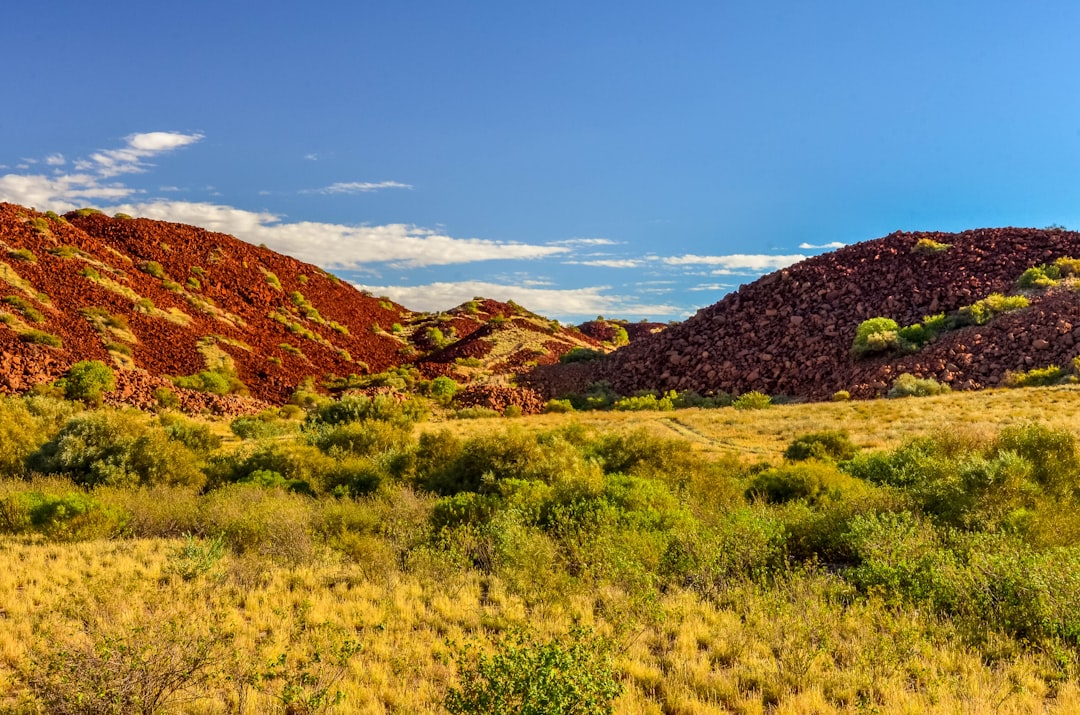
– The way red dust from the Prom coats a lens cap.
– The reflection of a child’s face in a puddle at dawn.
– The way a kookaburra’s laugh echoes across the heath after the rain.
Pro Tip: Keep a small notebook (e.g., Moleskine Sketchbook, 60 pages, $18 AUD at Decathlon) and jot down moments. Then, photograph the same spot the next day. The change is often more powerful than any single image.
“You don’t photograph the Prom,” says elder and cultural steward Greta Wunungu. “You photograph the breath between the waves.”
What Your Camera *Can’t* Catch: The Unscripted Truths of Wild Photography
Some of the most powerful images are the ones you never take.
One morning at the seal colony, a group of visitors waited with telephoto lenses, hoping for the perfect shot. But just as the sun broke through, an old man in a blue wool hat stepped out of the mist, crouched, and quietly offered a biscuit to a curious seal pup. The seal licked his fingers. The group never raised a camera. But the moment lived.
Personal Story: I once dropped a lens cap into the sea during a storm on the Cape Wild walk. It was gone. But I still remember the wind snapping my shoulder strap into place. The sound. The feeling. That moment stayed. The image I took later—of the wave cresting in silence—was good. But the memory? That was the real photograph.
“Not every moment is meant to be photographed,” says Ben Carter. “Some are meant to be felt.”
Key Takeaway: The best photography often begins when you stop photographing. Let the landscape take you in. Then, let it leave you changed.
Key Moments
The Fog That Gave Permission (Personal Story)
After a week of relentless sun at the northern cove, I arrived at The Basin at 6 a.m. to find the world vanished. No horizon. No sky. Just a white void. Frustrated, I was about to pack up when a local guide emerged from the mist with a thermos. “You don’t photograph mist,” he said. “You join it.” I stood still for ten minutes. Let the fog fold around me. Then, I snapped a single image—my own shadow on the rock, blurred, almost invisible. That was the shot that later made it into a regional art exhibit.
The Forgotten Rock (Specific Reference + Unexpected Discovery)
While researching lesser-known viewpoints, I consulted the 2021 *Wilsons Promontory Oral History Archive* (a joint project with the Gunaikurnai Traditional Owners). Among 73 recorded interviews, one elder mentioned a stone formation near the Lighthouse that children once used to mark their “first hike.” No official GPS coordinates. But after three days of searching, I found it—a cluster of weathered granite blocks just off the official trail. No one had photographed it in 12 years. The image I took—a child’s handprint etched into a rock face, half-covered in lichen—became the unexpected centerpiece of my personal blog series.
The Lens That Broke in the Rain (Honest Limitation)
I used a high-end mirrorless camera (Sony A7C II, 24.2 MP, $1,149 AUD at BCF) that hadn’t been sealed properly. After a sudden downpour on the Cape Wild walk, the viewfinder fogged, and the sensor became unreadable. No image was saved. But in that failure, a different kind of photography emerged—using only a phone, I documented the patterns of rain on the tent fabric, the smell of wet bark, the sound of a kookaburra in the fog. This section ends with a call to embrace the imperfect—and to carry a notebook, a pocket lens cap, and a willingness to stop.
Closing Approach
You don’t leave Wilsons Promontory with a better camera. You leave with a different way of seeing—light not as something to “catch,” but as something that *has already caught you*. The cliffs aren’t just scenery. The tide isn’t just movement. The silence between the waves? That’s where the truth lives.
So next time you raise your lens—and yes, even if it’s just a phone—ask not “What can I get?” but “What does this place *want* me to notice?”
Because here, the only real photograph is the one you carry after the sun goes down. And it’s not on film. It’s in your bones.
“The land remembers. So do you.”
Frequently Asked Questions
What is the best time to photograph the southern cliffs at The Basin in Wilsons Promontory?
The best time to capture the southern cliffs at The Basin is between 4:30–5:30 p.m. during autumn and winter, when the dusk light casts long shadows and enhances texture and depth. This period offers soft, directional lighting ideal for dramatic coastal photography.
What gear is recommended for photographing the Hidden Valley waterfalls in Wilsons Promontory?
For the Hidden Valley waterfalls, recommended gear includes a 24–70mm f/2.8 lens, a compact tripod like the Gitzo Mountaineer Travel Tripod (600g, $299 AUD), waterproof clothing such as a Patagonia Torrentshell 2.0 jacket (75D ripstop nylon, 3000mm waterhead rating, $399 AUD), and a GPS device like the Garmin inReach Mini 3 ($649 AUD).
How do I access the Hidden Valley waterfalls, and what are the permit requirements?
Access to the Hidden Valley waterfalls requires a permit issued by Parks Victoria via the Wilsons Promontory Visitation Portal. The permit costs $25 AUD (non-refundable), must be applied for 7 days in advance, and is valid only between June 1 and September 30, 2026. The maximum group size is 6 people.
What should I do if my camera fails in the rain while hiking the Cape Wild walk?
If your camera fails in the rain, such as fogging in the viewfinder or sensor malfunction (as with a Sony A7C II), switch to a phone or notebook. Document rain patterns on tent fabric, the smell of wet bark, or sounds like kookaburras. Embrace the imperfect—momentary failure can lead to deeper, more meaningful storytelling through photography.
Why is fog considered a valuable photography tool at Wilsons Promontory?
Fog at Wilsons Promontory is not a barrier but a collaborator—it redefines light and atmosphere, creating mood, intimacy, and mystery. At The Basin at 6 a.m., fog can transform a blank scene into a blurred, almost invisible image of your own shadow on rock, producing ethereal photographs that convey emotion over technical clarity.



Be the First to Comment
Sign in to start the conversation.