

Complete Guide to Road Trip in Australia 2026
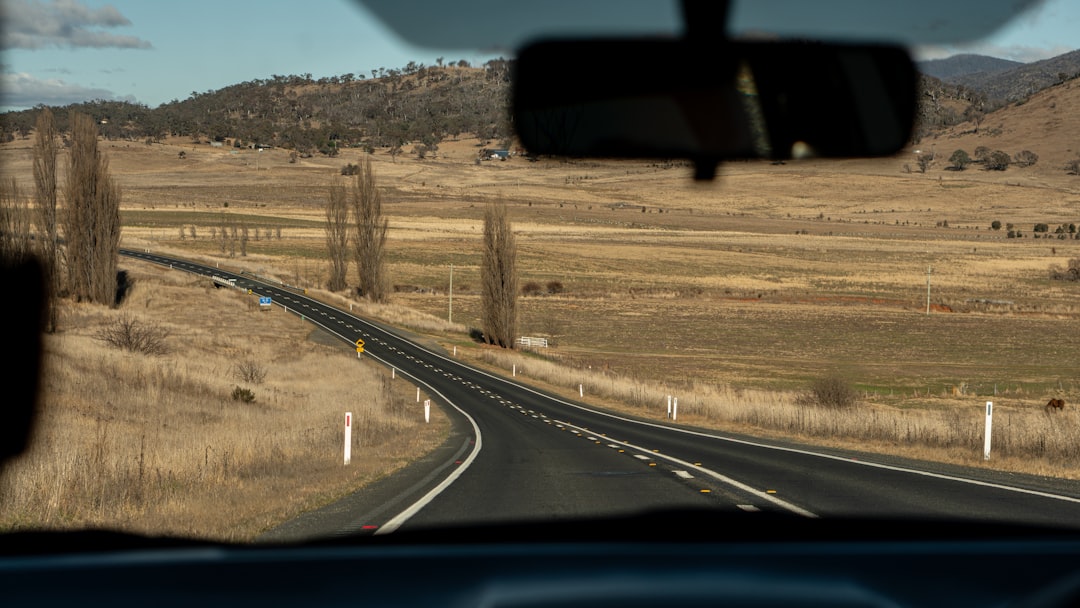
What if the real Australia—the one you’ve seen in photographs but never quite found—exists only beyond the point where your phone loses signal? It’s a confronting question, particularly for travellers accustomed to European road trips where a charming village awaits every hour. Australia doesn’t work like that. This is a continent where you can drive for six hours without passing another vehicle, where the distance from Sydney to Perth exceeds London to Istanbul, and where the most profound moments happen in the vast silence between destinations. The Australia you’re seeking—the ochre deserts, the ancient gorges, the coastlines that stretch beyond comprehension—rewards a different kind of traveller entirely. One who plans meticulously but holds those plans loosely. One who understands that distance here isn’t an obstacle to overcome, but an experience in itself.
The Mathematics of Distance — Understanding What You’re Signing Up For
Let’s begin with the uncomfortable truth that most guidebooks gloss over: Australia breaks most first-time visitors’ itineraries. Not through any fault of the traveller, but through a fundamental mismatch between expectation and reality. The numbers tell the story, but they don’t capture the experience.
Sydney to Perth: 4,000 kilometres. That’s not a day’s drive—it’s a commitment. Sydney to Cairns along the coast? Roughly 2,500 kilometres with genuinely world-class stops including the best hiking trails Australia has to offer along the way. Melbourne to Darwin via the Red Centre? Nearly 3,800 kilometres through landscapes that shift from temperate forest to desert to tropical savannah.
Here’s what these numbers mean in practice: if your European road trip instinct says “we can do three major stops today,” your Australia road trip reality says “we might make one, and that’s if we start early.” The psychology of Australian distance requires genuine adjustment. You’ll find yourself calculating fuel stops not in terms of convenience, but in terms of whether running out between roadhouses means a two-hour wait or a twelve-hour wait for assistance.
The Three Critical Questions Before You Plot a Single Waypoint
Before opening any mapping software, answer these honestly:
- How many hours can everyone in your vehicle tolerate driving before morale collapses? Be realistic. Australia’s roads are generally excellent, but they’re long and often monotonous. What feels adventurous on day one becomes exhausting by day five.
- What’s your actual, non-negotiable time limit? Not your “we can extend if needed” time—your hard deadline. Work backwards from there, then subtract 20% for the unexpected.
- What’s the one experience that, if you returned home without it, you’d consider the trip incomplete? Everything else is negotiable. Build around this.
Most first-time visitors try to cover too much ground and end up experiencing everything shallowly rather than anything deeply. The families who return raving about Australia aren’t the ones who ticked off twelve destinations in two weeks—they’re the ones who spent a week exploring a single region properly, discovering hiking trails Australia offers that don’t appear in international guidebooks, and building the kind of memories that come from immersion rather than transit.
Choosing Your Australia — Route Archetypes for 2026
Rather than overwhelming you with destination lists, let’s organise Australia into five distinct road trip “personalities.” Each serves a different type of traveller, and understanding which matches your expectations saves months of misguided planning.
The Red Centre: Spiritual and Confronting
Ideal Duration: 5-7 days minimum from Alice Springs base
Minimum Budget: Moderate (remote location premium applies)
Vehicle Requirements: Standard 2WD viable for main routes; 4WD opens Canyon accesses
Best For: Travellers seeking perspective shift over adrenaline
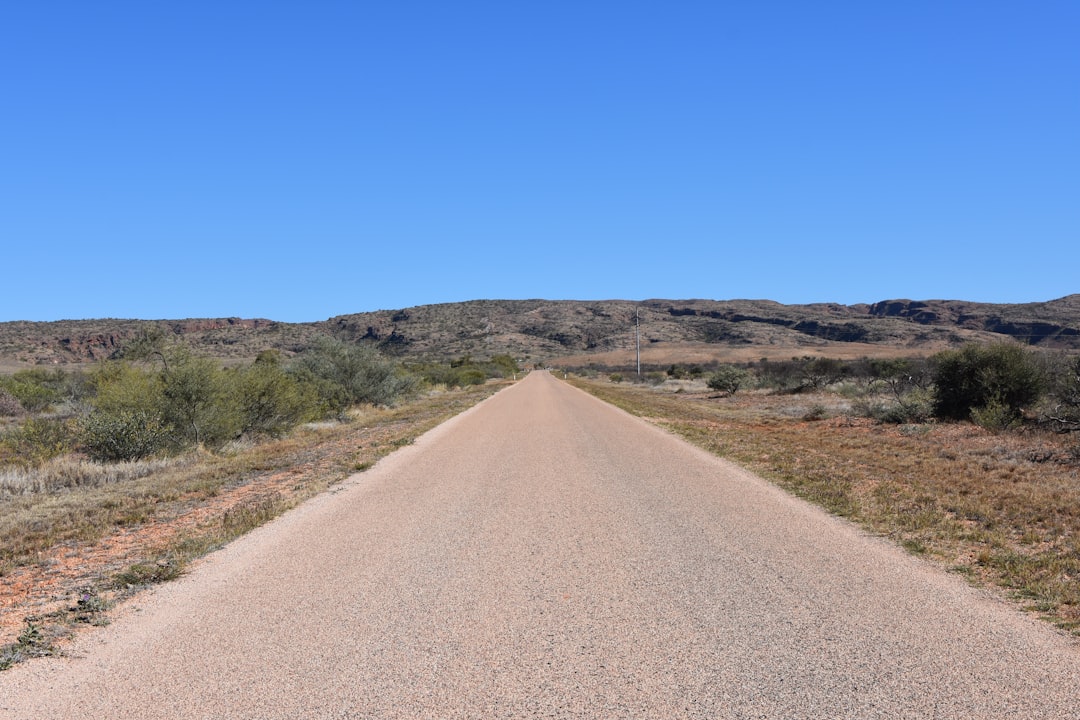
The Red Centre isn’t a destination—it’s an encounter. Uluru-Kata Tjuta National Park delivers on every promise the photographs make, but the experience defies documentation. The colour shift at sunrise isn’t a gradual change; it’s a revelation. What brochures can’t convey is the silence. Not quiet—actual, profound silence that many visitors find disconcerting at first, then transformative.
The East Coast: Accessible and Adventure-Heavy
Ideal Duration: 2-4 weeks for meaningful coverage
Minimum Budget: Flexible (options from budget to luxury)
Vehicle Requirements: Standard vehicle throughout; campervan popular choice
Best For: First-time visitors, families, those wanting variety
The East Coast from Melbourne to Cairns remains Australia’s most popular road trip corridor for good reason. It’s forgiving. Mobile coverage is nearly continuous. Towns appear at reasonable intervals. The best hiking trails Australia offers along this route include the Gold Coast Hinterland’s ancient rainforest walks, the Noosa Everglades, and the dramatic coastline of the Sydney region including Royal National Park’s Wedding Cake Rock track (though the rock formation itself has been fenced off due to instability—the coastal views remain exceptional).
The 2026 reality: this popularity means advance planning is essential. Freecamps that existed five years ago have converted to paid sites. National park camping now requires bookings during peak periods—spontaneous travel along the East Coast is increasingly difficult between December and February.
The Kimberley: Remote and Rewarding
Ideal Duration: 10-14 days minimum
Minimum Budget: High (remote fuel prices, vehicle wear)
Vehicle Requirements: 4WD essential; experience recommended
Best For: Experienced remote travellers seeking genuine wilderness
Western Australia’s Kimberley region represents Australia at its most uncompromising. This is not the place to learn 4WD skills or test your first outback setup. But for those with appropriate experience and vehicles, it offers what many consider Australia’s ultimate road trip experience: the Gibb River Road.
Tasmania: Compact and Wild
Ideal Duration: 7-14 days for comprehensive coverage
Minimum Budget: Moderate
Vehicle Requirements: 2WD sufficient for most; 4WD opens remote areas
Best For: Hikers, wildlife enthusiasts, those with limited time
Tasmania is where European-scale distances meet genuine wilderness. You can drive across the entire island in a day (not recommended—this misses the point), but the compact geography means you can experience dramatically different environments without the marathon drives the mainland requires.
The best multi day hikes Australia offers include Tasmanian icons: the Overland Track (65km, 6 days), the Three Capes Track (48km, 4 days), and the South Coast Track (85km, 6-8 days). But here’s the insight that changes how you plan: Tasmania’s road trip structure allows you to base yourself in a town like Strahan or Coles Bay and access extraordinary day hikes without carrying full trekking gear for weeks. The combination of compact distances and world-class walking tracks makes Tasmania uniquely suited to the “road trip with hiking” approach.
Great Ocean Road and Beyond: Iconic and Achievable
Ideal Duration: 3-5 days for the core route; 7-10 days including extension
Minimum Budget: Flexible
Vehicle Requirements: 2WD throughout
Best For: Time-limited travellers, those wanting guaranteed highlights
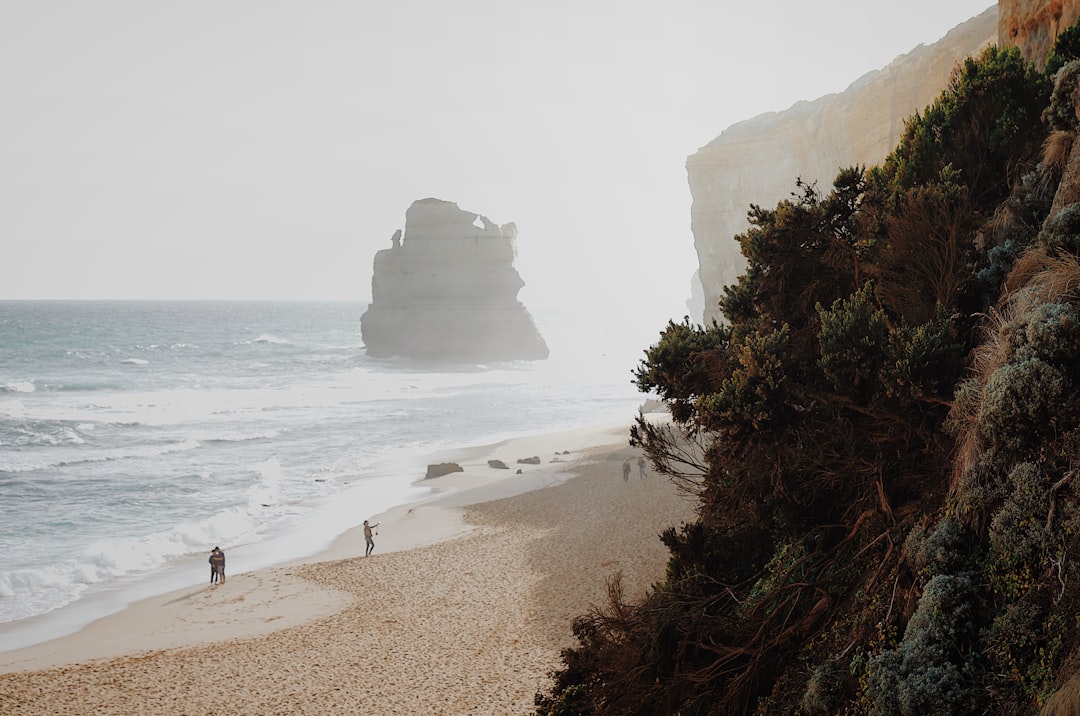
The Great Ocean Road is Australia’s most famous drive, and the crowds reflect this. But here’s what most international visitors miss: the magic increases dramatically once you continue beyond the Twelve Apostles into the Otways and toward the Coorong. The extension into South Australia’s Coorong National Park offers something increasingly rare—a genuinely wild coastline accessible by conventional vehicle.
The Vehicle Decision Matrix — Matching Transport to Terrain
The internet loves a “you need a 4WD for Australia” narrative. Let’s complicate that.
For approximately 80% of Australia’s most rewarding road trip routes, a standard 2WD vehicle is entirely adequate. The East Coast, Tasmania, the Great Ocean Road, the Stuart Highway from Adelaide to Alice Springs, and even the core Red Centre attractions around Uluru are all accessible in a conventional vehicle. The mythology of the 4WD requirement serves rental companies well, but it doesn’t serve travellers planning their first Australian journey.
When a Campervan Actually Makes Sense (And When It’s a Mistake)
Campervans suit specific travel styles beautifully: travellers who want to cover ground efficiently, don’t mind compact living quarters, and prefer the flexibility of carrying their accommodation with them. They’re ideal for the East Coast and Tasmania, where campsites are frequent and vehicle height isn’t a barrier.
They’re a mistake for: serious 4WD routes (hire companies prohibit taking rental campervans on unsealed roads, and they mean it), remote areas where mechanical assistance is days away, and travellers who value comfort over convenience after day three of living in a vehicle-sized space.
The Sleeping Setup Reality
Here’s the insight that experienced Australian road trippers understand: your sleeping setup matters more than your driving setup for most routes. A comfortable swag or rooftop tent on a standard 2WD ute often delivers a better experience than an uncomfortable campervan setup that can access fewer remote areas than you’d expect.
The hidden costs of rental vehicles catch many international visitors: insurance excesses that apply to windscreen and tyre damage (common on Australian roads), one-way fees that can exceed $1,000, and kilometre charges on apparently “unlimited” hire agreements that exclude certain road types.
The Unspoken Logistics — What Guidebooks Don’t Tell You
The Telecommunications Reality
Telstra’s network coverage in Australia isn’t a marketing claim—it’s a practical reality that affects safety and planning. In 2026, Starlink satellite internet has transformed remote travel for those who carry it, but the fundamental truth remains: outside Telstra coverage, you’re genuinely on your own.
This isn’t an inconvenience—it’s the point. The Australia most travellers seek exists beyond coverage zones. Plan for it: download offline maps (Google Maps, Maps.me, and the relevant state government mapping apps), carry a Personal Locator Beacon (PLB) for routes beyond mobile range, and establish check-in protocols with someone who’ll notice if you don’t make contact.
The Fly Situation
Nobody warns you about the flies. Not the presence of flies—Australian summers have flies everywhere—but the particular intensity in certain regions. The Australian bush fly doesn’t bite, but it lands on every moist surface: eyes, nose, mouth, wounds. In the Red Centre and parts of Western Australia during warmer months, the experience can genuinely affect your ability to enjoy outdoor activities.
The solution: fly nets (available at any Australian camping store for under $10) and Aerogard (a local insect repellent brand that works better on flies than international alternatives). Don’t arrive without these. Don’t assume your European or North American insect repellent will be effective—it won’t.
Water Planning Beyond the Obvious
Standard advice says “carry water.” Australian advice says “calculate your water requirement, then double it.” The standard calculation is 4 litres per person per day for drinking alone, but this assumes moderate temperatures and activity levels. In 40°C heat with hiking involved, individual requirements can exceed 8 litres daily.
The Social Etiquette of Remote Roads
On unsealed roads, you wave to oncoming traffic. A raised finger from the steering wheel suffices. This isn’t optional—it’s how remote communities maintain safety awareness. If someone passes without waving, locals notice. The UHF radio convention: channel 40 is the highway standard for road trains and long-distance traffic. In more remote areas, channel 10 or 12 often serves local traffic. Listening before transmitting is both practical and polite.
Roadhouse culture in Australia’s interior operates differently to service stations elsewhere. These are community hubs, fuel stations, and sometimes the only food for 200 kilometres. Stopping for a meal at a roadhouse isn’t just refuelling—it’s participating in a uniquely Australian social institution. The food is often better than you’d expect, the coffee uniformly mediocre, and the conversations with other travellers genuinely valuable.
Building Your Itinerary Backwards — A Planning Framework
Here’s a methodology that works: start with your non-negotiable experiences, build outward, then cut 30%.
A Worked Example
Initial wishlist: Sydney → Melbourne (Great Ocean Road) → Adelaide → Alice Springs → Uluru → Cairns → Sydney. Three weeks.
The math: This route covers approximately 7,500 kilometres of driving. At an average of 400km per driving day (optimistic for a route including sightseeing stops), that’s 19 days of pure driving. Out of 21 available days. This leaves two days for every stop along the way.
The reality check: This isn’t a holiday—it’s a driving assignment. You’ll see Australia through a windscreen without experiencing any of it.
The revision: What’s the non-negotiable? If it’s the Red Centre, fly to Alice Springs, rent locally, spend a week exploring properly, then decide whether the East Coast or other regions fit the remaining time. If it’s the best day hikes in Australia along the East Coast, focus there and save the Centre for a future trip.
The 30% cut: Take your revised itinerary and remove three days of planned activities. Not driving days—activity days. This creates buffer time for the discoveries that make road trips memorable: the roadside produce stand that becomes a 45-minute conversation with a local farmer, the walking track that looked short on the map but delivered views worth savouring, the weather day that forces rest and leads to unexpected encounters.
2026-Specific Considerations
The Australian camping landscape has shifted dramatically. Free camps that existed five years ago have closed or converted to paid sites in popular regions. National park camping increasingly requires advance booking during peak periods—this isn’t a suggestion, it’s enforced, and rangers will ask you to leave if you’ve arrived without a reservation at a booked-out site.
The booking windows that matter:
- New South Wales National Parks: Popular coastal sites open bookings 12 months out; book by April for summer travel
- Queensland National Parks: 6-month booking window; Fraser Island (K’gari) and Whitsunday islands require advance planning
- Tasmania Parks: Overland Track requires permits that sell out months ahead; other walks are more accessible but still require booking during peak season
- Northern Territory: Uluru camping and accommodation books out 3-6 months ahead for winter (dry season) travel
Integrating Hiking Into Your Road Trip
Since the best road trips in Australia often centre on the country’s extraordinary walking tracks, here’s how to integrate hiking without carrying trekking gear for weeks
Frequently Asked Questions
How far is the drive from Sydney to Perth and what does this distance mean for planning?
The Sydney to Perth drive covers approximately 4,000 kilometres—comparable to the distance from London to Istanbul. This isn’t a single day’s journey but a major commitment requiring careful planning. Similarly, Sydney to Cairns along the coast spans roughly 2,500 kilometres, while Melbourne to Darwin via the Red Centre covers nearly 3,800 kilometres. Unlike European road trips where you might manage three major stops daily, in Australia you should plan for one significant stop per day, and only if you start early. These distances require genuine psychological adjustment for most international visitors.
When should I book national park camping for a 2026 Australian road trip?
Booking windows vary significantly by state and are increasingly enforced. New South Wales National Parks open bookings 12 months ahead for popular coastal sites—book by April for summer travel. Queensland National Parks operate on a 6-month window, with Fraser Island (K’gari) and Whitsunday islands requiring advance planning. Tasmania’s Overland Track permits sell out months in advance. Northern Territory sites around Uluru book out 3-6 months ahead for winter (dry season) travel. The 2025-2026 summer saw record visitation, making advance booking essential for iconic destinations.
How much water should I carry for an Australian road trip?
Calculate your water requirement, then double it. The standard calculation is 4 litres per person per day for drinking alone, assuming moderate temperatures and activity. In 40°C heat with hiking involved, individual requirements can exceed 8 litres daily. Australia’s low humidity means sweat evaporates efficiently, so you may not realise how much fluid you’re losing until dehydration symptoms appear. Early warning signs include headache, irritability, and reduced urine output—these should be taken seriously rather than dismissed as travel fatigue.
What are the main route options for an Australian road trip in 2026?
Australia offers five distinct road trip archetypes. The Red Centre (5-7 days from Alice Springs) offers spiritual desert experiences including Uluru and Kata Tjuta. The East Coast (2-4 weeks, Melbourne to Cairns) suits first-time visitors with continuous mobile coverage and frequent towns. The Kimberley (10-14 days minimum) requires 4WD experience and is closed during wet season (November-April). Tasmania (7-14 days) offers European-scale distances with world-class hiking like the Overland Track. The Great Ocean Road (3-5 days core, 7-10 with extensions) delivers iconic coastal scenery accessible by standard 2WD vehicles.
How much does a campervan relocation deal cost in Australia?
Campervan relocation deals represent one of Australian travel’s genuine bargains, with rates as low as $1 per day plus fuel. Rental companies offer these when they need vehicles moved between cities. The catch is short notice and required flexibility in your schedule. Check websites like Coseats, Transfercar, and rental companies’ own relocation pages. Be aware of hidden costs including insurance excesses for windscreen and tyre damage, one-way fees that can exceed $1,000, and kilometre charges on certain road types.




Be the First to Comment
Sign in to start the conversation.