
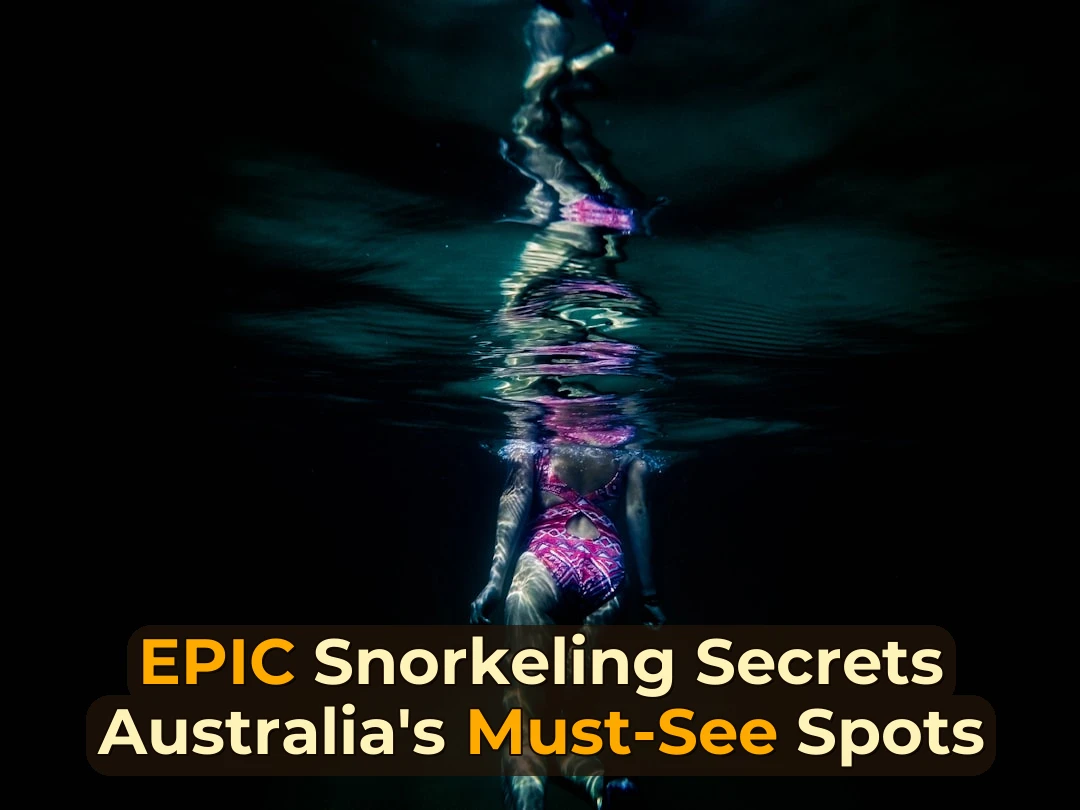
Your face breaks the surface and the desert heat vanishes. Below, a coral canyon stretches farther than you can see, and a two-metre reef shark slides silently beneath your dangling fins. This is Ningaloo Reef, one of the world’s largest fringing reef systems, where the desert meets the sea along Western Australia’s remote Coral Coast—and this moment is waiting for anyone willing to put on a mask and breathe through a tube. Australia’s 25,760 kilometres of coastline encompasses the planet’s most diverse snorkeling environments, from the tropical coral kingdoms of the Great Barrier Reef to the temperate kelp forests of Tasmania. Whether you’re taking your first nervous breath through a snorkel or planning a multi-week coastal expedition, this guide will take you from complete beginner to confident water explorer.
Where Water Meets Wonder: Mapping Australia’s Snorkeling Ecosystems
Australia’s snorkeling landscape defies simple categorisation. The same continent that hosts the world’s largest coral reef system also shelters leafy seadragons in cold-water kelp forests, whale sharks that arrive like clockwork each autumn, and sea turtle nesting grounds that have operated on the same beaches for thousands of years. Understanding these ecosystems transforms snorkeling from a casual holiday activity into a genuine exploration of the best water sports Australia offers.
Tropical Coral Kingdoms
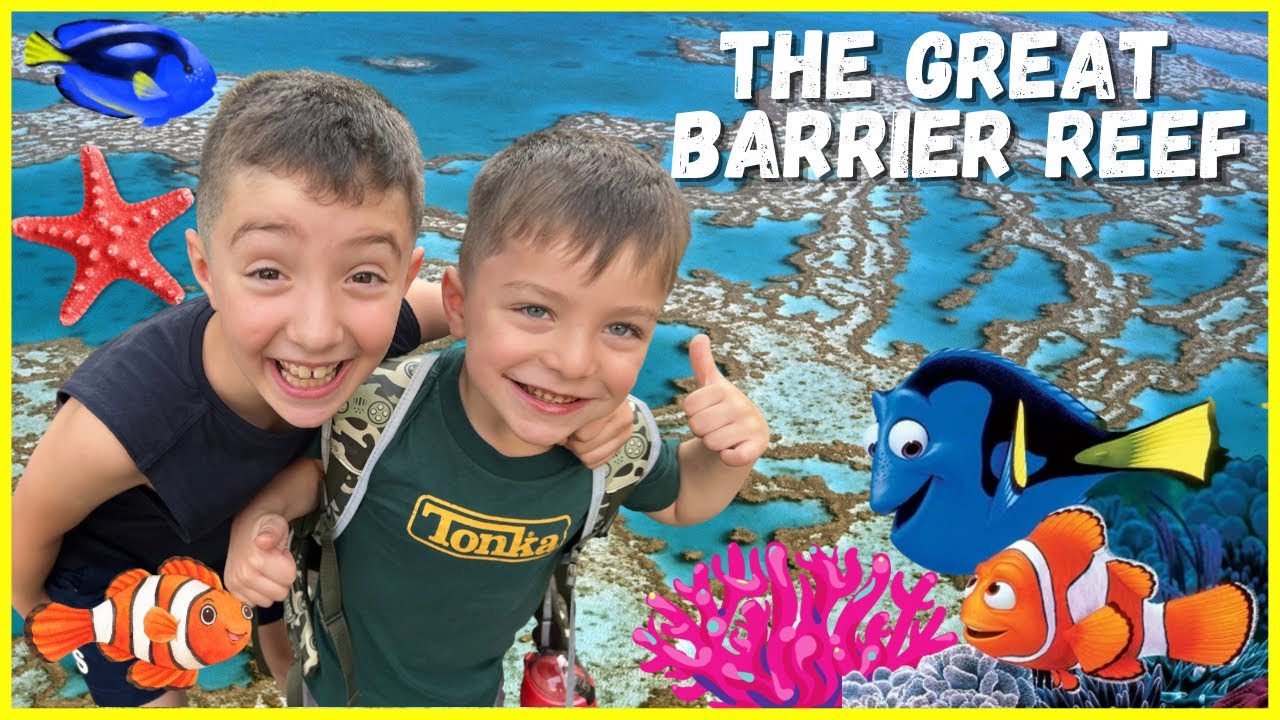
The Great Barrier Reef needs no introduction, but knowing where within this 2,300-kilometre system to snorkel makes the difference between a tourist experience and something transformative. The Whitsunday Islands offer accessible fringing reefs directly off white-sand beaches—perfect for combining snorkeling with family-friendly island time. Further north, the Ribbon Reefs provide clearer water and more consistent visibility, though they require liveaboard or day boat access from Cairns or Port Douglas.
Ningaloo Reef, Western Australia’s answer to the Barrier Reef, offers something the east coast cannot: the ability to swim from shore directly onto pristine coral gardens. Exmouth and Coral Bay serve as gateways to a 260-kilometre fringing reef where whale sharks congregate from March to July and humpback whales pass through from August to October. The accessibility here—wading in from the beach rather than boarding a boat—makes it ideal for families and those uncertain about their water confidence.
Temperate Wonderlands
The underrated heroes of Australian snorkeling lie in the cooler southern waters. South Australia’s Rapid Bay Jetty has achieved cult status among underwater photographers for its leafy seadragons—elaborately camouflaged relatives of seahorses that drift among the pylons like animated seaweed. The water here runs 14-20°C, requiring a wetsuit, but the encounter quality rewards those who venture beyond the tropics.
Lord Howe Island, sitting 700 kilometres northeast of Sydney, represents the most southerly coral reef in the world. This UNESCO World Heritage site blends tropical and temperate species in a unique ecosystem accessible from pristine beaches. The island restricts visitor numbers to 400 at any time, ensuring the underwater experience remains uncrowded and pristine.
Victoria’s Mornington Peninsula offers another cool-water surprise: the Rye and Sorrento piers attract resident Australian fur seals and massive smooth rays that circle the structures like underwater sentinels. Summer water temperatures reach only 20°C, but the encounters rival anything in the tropics.
Accessible Urban Escapes
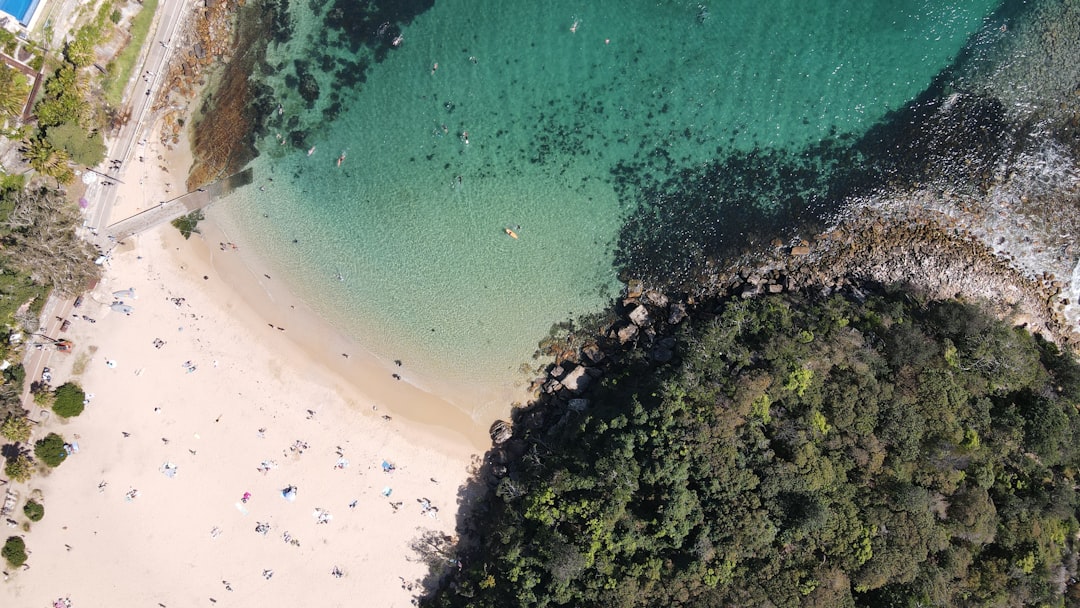
Some of Australia’s best outdoor water sports locations sit within metropolitan boundaries. Sydney’s Shelly Beach (Manly) shelters a protected marine reserve where wobbegong sharks rest under ledges and blue gropers—curious, metre-long fish—approach snorkelers with territorial boldness. The calm waters inside the headland make this ideal for first-timers, and free BBQ facilities mean families can turn a morning snorkel into a full day out.
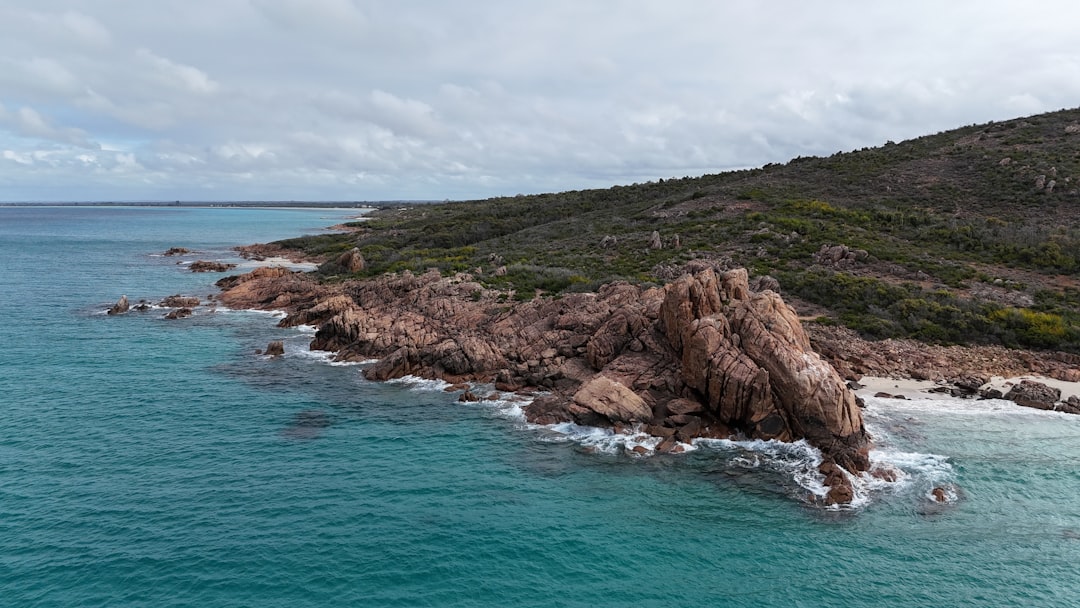
Perth’s Mettam’s Pool and Trigg Beach offer similar accessibility, with reef systems visible from shore and water clarity that surprises visitors expecting metropolitan murk. Brisbane’s Moreton Island combines Tangalooma Wrecks—deliberately sunken vessels forming an artificial reef—with wild dolphin feeding at sunset, creating a water sports experience that doesn’t require remote travel.
The Seasonal Factor
Timing shapes everything in Australian snorkeling. The tropical north (Cairns, Darwin, Broome) experiences distinct wet and dry seasons, with the dry months (May to October) offering superior visibility and comfortable conditions. Stinger season (November to May) requires protective suits in Queensland waters, though many operators provide them as standard equipment.
The temperate south reverses this pattern—summer (December to February) brings warmer water and calmer conditions, while winter storms churn visibility and drop temperatures to bracing levels. Western Australia’s extensive coastline spans both climate zones, with the south (Albany, Esperance) operating on temperate timing and the north (Exmouth, Broome) following tropical patterns.
The Progression Path: From First Breath to Deep Comfort
Snorkeling proficiency develops in stages, each building on the last. Understanding this progression helps you choose appropriate locations and recognise when you’re ready to advance.
Your First 10 Minutes in Water
The initial challenge isn’t swimming ability—it’s breathing psychology. Humans have an involuntary response to submerging our faces: hold breath, tense muscles, prepare for threat. Overriding this reflex requires conscious practice, and the best place to start is standing waist-deep in calm water, not floating in the open ocean.
Put your face in the water without the snorkel first. Breathe out slowly through your nose, watching bubbles. When this feels comfortable, add the snorkel while still standing. Breathe slowly and deliberately. Most beginners hyperventilate slightly—the snorkel adds dead space that triggers faster breathing. Consciously slow your exhale. Count to four on each breath out.
Mask leaks generate the second major hurdle. Hair trapped under the mask skirt creates channels for water entry. Pull the mask strap high on the back of your head, not low near your neck. When water does enter, you don’t need to surface. Tilt your head back slightly, press the top of the mask frame, and exhale firmly through your nose. The water exits from the bottom. Practise this in shallow water until it becomes automatic.
Reading the Environment
Confident snorkelers develop water literacy—the ability to read conditions before entering and adjust behaviour accordingly. Current assessment starts before you get wet: watch floating debris or surface ripples for 30 seconds. Which direction are they moving? How quickly? This baseline helps you understand what you’ll encounter below.
Surge—that rhythmic push and pull of water over shallow reef—feels more dangerous than it is. The key is relaxation. Don’t fight the movement; let it carry you back and forth while maintaining horizontal body position. Your fins should trail behind you, not point toward the bottom where they might contact coral.
Entry and exit terrain assessment prevents injuries. Rocky shores require timing—watch wave sets and enter during calmer periods. Reef shoes protect feet but reduce fin effectiveness, so many snorkelers enter from sandy areas or jetties where footing is secure. Always identify your exit point before entering; current and fatigue can carry you further than expected.
Energy Economics
The single biggest mistake intermediate snorkelers make is overexertion. Fighting the water exhausts you within 20 minutes, cutting short encounters and creating safety concerns. Efficient snorkeling means maximising floatation and minimising propulsion.
Wetsuits provide significant buoyancy—use it. Lie completely still on the surface, arms by your sides or gently clasped behind your back. Let the suit hold you up. This position also presents the smallest possible profile to curious marine life. Turtles, rays, and even reef sharks often approach motionless snorkelers closely, while actively swimming figures trigger avoidance responses.
When you do need to move, use slow, deliberate fin kicks from the hip, not the knee. The bicycle kick—bending knees and pedalling—creates turbulence without effective propulsion. Instead, keep legs relatively straight and use the full leg in a gentle flutter. The goal is gliding, not sprinting.
The Comfort Expansion
Progressing from shallow sand patches to deeper features happens gradually. First, extend your range in protected areas—swim further along the same beach, staying in depths where you can see the bottom clearly. Then add vertical dimension: practise diving down a few metres to look under ledges or examine coral formations closely.
Equalising your ears (popping them) becomes necessary when diving below the surface. Pinch your nose and blow gently against the closed nostrils while descending. Never force this—if your ears won’t equalise, return to the surface. Persistent difficulty suggests congestion that shouldn’t be ignored.
Swim-throughs—swimming beneath rock arches or through gaps in coral formations—represent an advanced skill that requires comfort with overhead environments. Never enter a swim-through unless you can clearly see the exit and have confirmed no surge is pushing through the passage. The first time your head enters shadow while underwater creates an instinctive hesitation; this is normal and worth experiencing in a controlled, shallow setting before attempting deeper features.
Gear Without the Guesswork: What Actually Matters
Snorkeling equipment spans a price range from budget-bin disposable to expedition-grade investment. Understanding where quality matters and where it doesn’t saves money and improves experience.
The Non-Negotiables
Mask fit determines everything. A poorly fitting mask leaks constantly, fogs regardless of treatment, and creates pressure points that become painful after 30 minutes. The test is simple: hold the mask to your face without using the strap, and inhale gently through your nose. The mask should seal and stay in place. If air leaks in from any edge, that mask doesn’t fit your face shape—regardless of price or brand.
Tempered glass lenses matter for safety and longevity. Plastic lenses scratch easily and eventually yellow. Look for “tempered” or “safety glass” markings on the frame. Low-volume masks (less space between face and lens) offer better peripheral vision and easier clearing, though they may feel claustrophobic initially.
Snorkel physics remains consistent regardless of price: a tube that lets you breathe while face-down in water. The useful distinction is between “dry” and “semi-dry” designs. Dry snorkels include a mechanism that seals the top when submerged, preventing water entry during dives. Semi-dry snorkels deflect splash but don’t seal completely. For surface snorkeling, semi-dry designs breathe easier; for diving down repeatedly, dry snorkels reduce clearing effort.
The Comfort Multipliers
Wetsuit selection depends entirely on water temperature and personal cold tolerance. Tropical waters (28°C+) require only rash protection—a stinger suit or thin lycra provides sun and jellyfish defence without thermal benefit. Subtropical waters (23-27°C) suit 1-2mm shorties or full suits. Temperate waters (18-22°C) demand 3mm full suits, and southern winter waters (below 18°C) require 5mm suits with hoods for comfortable extended sessions.
Fin types divide between full-foot (worn barefoot) and open-heel (requiring booties). Full-foot fins suit warm water and easy entries; open-heel fins work better for rocky shore entries and cooler water where booties provide thermal protection. Split fins reduce leg strain but sacrifice power; solid blade fins provide better propulsion for those with reasonable leg strength.
The Overrated
Manufacturers love selling integrated mask-snorkel combinations with built-in cameras, purge valves, and complicated attachment systems. Most of these features add failure points without improving the core experience. A simple mask, a basic snorkel with a flexible tube section, and comfortable fins outperform elaborate systems for recreational snorkeling.
Prescription masks exist and work well for those who need vision correction, but many snorkelers discover they don’t need them. Objects underwater appear approximately 33% larger and closer due to light refraction. If your vision is only mildly compromised, you may see adequately without correction.
Rental vs. Ownership
Hiring equipment makes sense for occasional snorkelers and those testing the activity. Most beachside hire shops and tour operators provide adequate gear included in tour prices. The honest limitation: rental masks vary wildly in fit and condition. Fogged, scratched, or poorly fitting masks can ruin an experience.
If you’ll snorkel more than three times in a year, purchasing your own mask and snorkel pays for itself and guarantees consistent fit. Fins are more reasonable to hire—the fit is less critical and sizing is straightforward. Bring your own mask to any tour; guides will happily swap your personal mask for the boat equipment.
Sharing the Water: Marine Life Encounters Done Right
The hierarchy of respect in marine encounters places animal welfare above human experience. This isn’t just ethical—it’s practical. Animals that feel harassed flee; animals that feel safe often approach closely and linger.
The Hierarchy of Respect
Turtles: Maintain a minimum distance of three metres. Never pursue a swimming turtle—they must surface to breathe, and chasing them depletes energy reserves. If a turtle approaches you, remain still and let it pass. Nesting turtles on beaches should never be approached or photographed with flash.
Rays: Give rays a two-metre buffer. Stingrays buried in sand are easily startled—shuffle your feet when walking in sandy shallows to avoid stepping on them. Manta rays and eagle rays often approach snorkelers out of curiosity; enjoy the encounter but don’t reach toward them.
Sharks: Reef sharks, wobbegongs, and smaller species present minimal risk and can be observed at a comfortable distance. Never corner a shark or block its exit path. Whale sharks—the gentle giants of Ningaloo—are filter feeders, but tour operators maintain strict distance protocols for both animal welfare and snorkeler safety.
Seasonal visitors: Whales are observed from boats, not in the water, during migration seasons. Whale sharks, dolphins, and dugongs require licensed tour interaction in most jurisdictions. Independent encounters happen, but pursuing them deliberately is often illegal and always disruptive.
What “Wild” Actually Means
Underwater wildlife photography has created unrealistic expectations. The perfect image—a turtle posed in golden light, a whale shark gliding alongside—represents exceptional conditions, not guaranteed encounters. Wild animals are unpredictable. Visibility varies. Weather changes. A successful snorkel might yield no “signature” encounters but still offer fascination in the details: the way a clownfish defends its anemone, the camouflage of a scorpionfish, the iridescent flash of a passing parrotfish.
Prepare for the unexpected by managing expectations. Research what you might see, but don’t treat any species as a checklist item. The divers who see the most are those who spend the most time in the water, moving slowly, watching carefully.
The Unexpected Discovery
At Rapid Bay, the leafy seadragons don’t announce themselves. You search the pylons and seagrass beds for 20 minutes, seeing only ordinary fish, before a flicker of movement catches your eye. What seemed like a drifting piece of kelp resolves into elaborate appendages, a horse-like head, eyes watching you watch it. The encounter requires patience and attention, which makes it infinitely more valuable than a guaranteed sighting.
At the Great Barrier Reef’s outer sites, you might hear whale song before seeing its source. The sound vibrates through your chest, low and rhythmic, emanating from somewhere in the blue distance. Humpbacks pass through reef waters during their migration; their songs can travel kilometres underwater. This visceral reminder that you’re sharing an environment with massive, intelligent animals adds a dimension no photograph captures.
When Not to Enter
Conditions change, and the mature snorkeler knows when to abort. Strong current visible from shore means you’ll spend all your energy fighting water rather than watching wildlife. Poor visibility following storms or heavy rain makes encounters unlikely and navigation hazardous. Unfamiliar sites deserve cautious entries—wade in first, assess conditions, then commit to the full experience.
Post-rain water quality in urban areas can be compromised by runoff. Sydney, Melbourne, Brisbane, and Perth all experience temporary pollution after significant rainfall. Wait 24-48 hours after storms before snorkeling near metropolitan outlets.
Planning Your Pilgrimage: Logistics for the Water Sports Traveller
For those treating snorkeling as the centrepiece of a broader water sports Australia itinerary, planning becomes an expedition in itself.
The Multi-Location Trip
Western Australia Coast Route (10-14 days): Perth → Geographe Bay (2 days) → Bunbury → Mandurah → Perth → drive north to Kalbarri → Coral Bay (3 days) → Exmouth/Ningaloo (4 days). This route combines temperate and tropical snorkeling with whale watching (season dependent) and the option to add diving certifications. Allow two weeks minimum; three is better.
Queensland Reef Route
Frequently Asked Questions
What are the best snorkelling destinations in Australia for beginners?
Ningaloo Reef in Western Australia is ideal for beginners because you can swim directly from shore onto pristine coral gardens at Exmouth or Coral Bay, eliminating the need for boat transfers. Sydney’s Shelly Beach at Manly offers protected calm waters inside the headland, free BBQ facilities, and features a marine reserve with accessible marine life like wobbegong sharks. The Whitsunday Islands provide fringing reefs directly off white-sand beaches, combining easy snorkelling with family-friendly island time.
How do I overcome breathing anxiety when snorkelling for the first time?
Start standing waist-deep in calm water, not floating in the open ocean. Put your face in without the snorkel first, breathing out slowly through your nose while watching bubbles. When comfortable, add the snorkel while still standing and breathe slowly and deliberately, counting to four on each exhale. Press your tongue against the roof of your mouth—this naturally encourages mouth breathing through the snorkel and prevents the common mistake of breathing through your nose, which fogs the mask immediately.
When is the best time to go snorkelling in Australia?
Timing varies by region. The tropical north (Cairns, Darwin, Broome) offers superior visibility during dry season (May to October). Stinger season (November to May) requires protective suits in Queensland waters. The temperate south reverses this pattern—summer (December to February) brings warmer water and calmer conditions. Ningaloo Reef’s peak season runs April to November with superior water clarity, while whale sharks congregate March to July and humpback whales pass through August to October.
What snorkelling gear do I actually need to buy versus rent?
If you’ll snorkel more than three times yearly, purchase your own mask and snorkel—this pays for itself and guarantees consistent fit. Test mask fit by holding it to your face without the strap and inhaling gently through your nose; it should seal and stay in place. Rental masks vary wildly in fit and condition. Fins are reasonable to hire as fit is less critical and sizing straightforward. Look for tempered glass lenses for safety and longevity, and choose between dry snorkels (for diving down) or semi-dry designs (for surface snorkelling).
How should I behave around marine life while snorkelling in Australia?
Maintain minimum distances: three metres from turtles and never chase swimming turtles as they must surface to breathe. Give rays a two-metre buffer and shuffle your feet in sandy shallows to avoid stepping on buried stingrays. For sharks, never corner them or block exit paths. At Ningaloo, whale shark tours maintain strict distance protocols. Wait 24-48 hours after storms before snorkelling near metropolitan outlets in Sydney, Melbourne, Brisbane, and Perth, as post-rain water quality can be compromised by runoff.

Be the First to Comment
Sign in to start the conversation.