


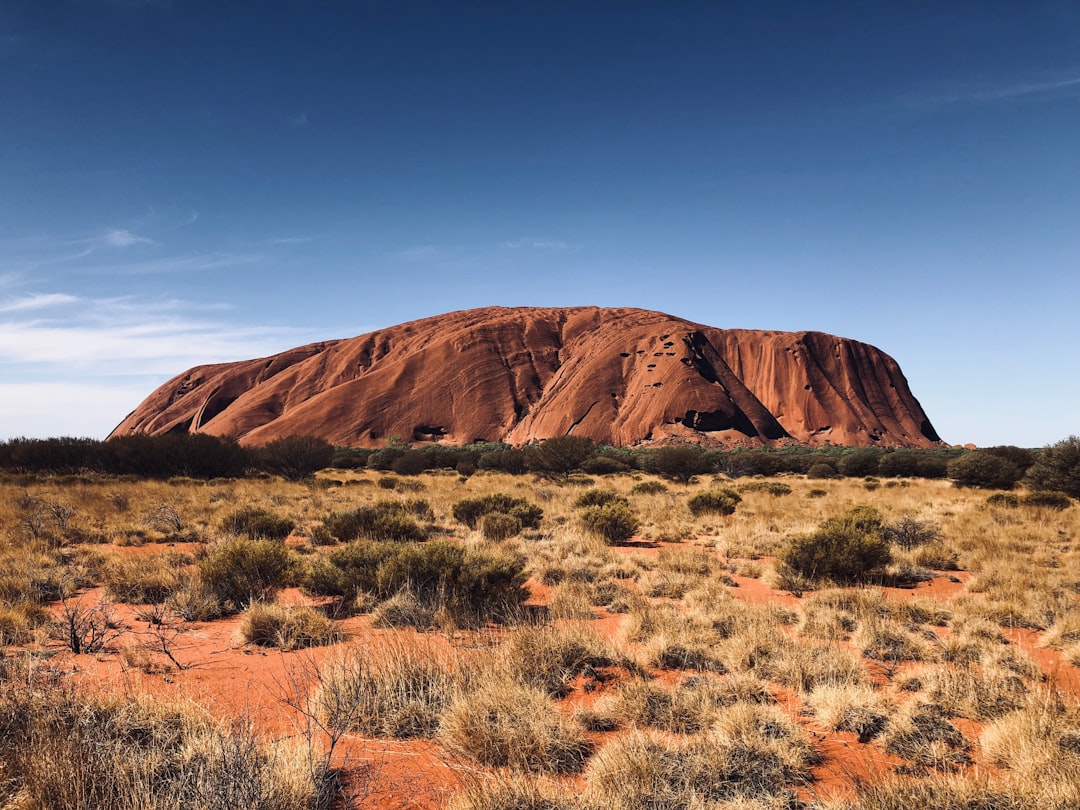

The dusty grit of the steering wheel roughens against your palms as you wrestle the vehicle through a patch of deep, washboard corrugations. Outside the window, the vibrant green scrub of Wilsons Promontory National Park blurs past, accompanied by the rhythmic crunch of gravel beneath thick, deflated tires. As you leave the smooth bitumen of the South Gippsland Highway behind, the air quality shifts instantly—the sharp, medicinal scent of eucalyptus mingles with a faint, saline spray from the nearby Bass Strait, rushing through the vents to announce that you have officially crossed the threshold into the wild. This isn’t just a drive; it’s a sensory immersion into one of Victoria’s most rugged coastal strongholds.
The Gateway Pitstops: Tidal River & Beyond
Before you can even think about tackling the deep sands near Five Mile Beach or the rocky climb to the Telegraph Track, you need to navigate the logistical heartbeat of the park: Tidal River. This isn’t just a campground; it’s the last bastion of civilisation before the true isolation begins. Think of it less as a tourist hub and more as an essential “last chance” saloon for the serious adventurer.
The Tidal River General Store is your primary lifeline. It stocks the basics—ice, gas, limited food supplies, and crucially, firewood when restrictions permit. However, “limited” is the operative word. If you have specific dietary requirements or rely on a particular brand of coffee, secure it before you pass through Yanakie. The information centre here is also vital; it’s where you lock in your permits for the more remote zones. While there is no fuel station within the park boundaries, the friendly staff can give you the lowdown on the nearest bowser back at Yanakie or Foster.
Facilities at a Glance
- Tidal River General Store: Basic supplies, ice, and take-away food.
- Information Centre: Permit collection, track condition updates, and topographic maps.
- Camping Amenities: Hot showers (coin-operated), laundry facilities, and designated picnic areas with electric barbecues.
- Fuel: None available inside the park. Fill up at Yanakie or Foster.
Resident Wisdom: The Unwritten Rules of the Track
Brochures will tell you where to go, but locals will tell you how to survive. The reality of 4WDing at the Prom is that “local knowledge” is the difference between a scenic drive and a recovery mission. One of the biggest misconceptions is the definition of a “4WD road” here. A track marked as 4WD might look manageable in dry weather, but after a passing shower, the clay-based soil becomes a greasy, impassable slick.
Mobile reception is another harsh truth you won’t find advertised in glossy pamphlets. Once you pass Tidal River, you are essentially off the grid. Telstra might offer a fleeting bar or two at high points on the Telegraph Track, but don’t rely on it. Download your offline maps and carry a physical hard copy.
The Reality of the Tides
Pay close attention to the tides, particularly if you plan to access coastal viewpoints like Vereker Outlook. What looks like a firm beach access point can vanish rapidly with the incoming tide. The locals know that low tide provides a window of opportunity for firm sand driving, but they also know the cut-off times strictly. Getting caught out on a rising tide isn’t just an inconvenience; it’s a vehicle-destroying scenario.
The Seasonal Swing: When the Prom Shuts You Out
Wilsons Promontory is not a static theme park; it is a living landscape that dictates its own terms. Understanding the seasonal swing is critical for a successful trip. The park changes faces dramatically between the humid depths of January and the crisp winds of July.
Summer (December to February) brings the crowds and the biting March flies. Booking a camping spot at Tidal River during the Christmas holidays is a competitive sport requiring months of forward planning. However, the value proposition of summer is the accessibility—tracks are generally dry, and the water is inviting.
Conversely, the wet season brings a different set of challenges. Heavy rain can lead to track closures with little notice. The park management doesn’t do this to annoy you; they do it to protect the track surface and your vehicle. Clay tracks, when churned by spinning tires, take months to dry out and repair.
The Sweet Spot: Shoulder Seasons
The real magic happens in the shoulder seasons—March to May and September to November. You’ll miss the peak crush of school holidays, and the tracks are often firm and gravelly rather than muddy. This is where you find the value: having the winding roads and secluded coves largely to yourself. Just be prepared for rapidly changing conditions, as a sunny morning can turn into a foggy, windy afternoon without warning.
Gear vs. Grit: What You Actually Need vs. What You Think You Need
Scrolling through Instagram, you might think a trip to the Prom requires a $100,000 fully kitted-out rig with rooftop tents and drawer systems. The reality is a bit more grounded. While having a capable 4WD is essential, what you actually need is functional recovery gear, not aesthetic accessories.
For the deep sand sections near Five Mile Beach, a set of quality traction boards (like Maxtrax) is worth more than a fancy roof rack. And before you even hit the sand, you must air down. Dropping your tire pressures to around 18-20 PSI significantly increases the footprint of your tire, preventing you from digging into the soft sand. A good portable air compressor is then mandatory to reinflate them before you head back onto the highway.
The Unexpected Discovery at the Lilly Pilly Carpark
On a trip last spring, while waiting for the kettle to boil near the Lilly Pilly Carpark, a local ranger noticed me studying my map. Instead of pointing me toward the marked lookout, she simply nodded her head toward a faint, overgrown track winding behind the boat ramp. Following her lead, I stumbled upon a hidden, unmarked cove. The water was glassy, reflecting the granite boulders, and there wasn’t a single other soul there. It was a reminder that sometimes the best facilities aren’t the ones built by Parks Victoria, but the ones whispered about by the people who know the land best.
The Honest Limitation: The Telegraph Track
It’s humbling to admit, but on a recent attempt to drive the full length of the Telegraph Track to the lighthouse, I had to turn back. I was in a confident 4WD, but after a week of rain, a particularly steep clay rut had become a churned-up mess. I tried once, wheels spinning hopelessly, and the vehicle slid sideways toward a scrubby tea tree. It was a stark moment of honesty. No amount of “grit” could defy physics. I engaged reverse, backed down slowly, and spent the rest of the afternoon exploring the walking tracks instead. Knowing when to fold is the most important facility you have in your arsenal—your own judgment.
The Lingering Dust
As the sun dips below the horizon, painting the sky in hues of violet and burnt orange, the dust finally begins to settle. The campsite falls into a profound silence, broken only by the pop of the fire and the distant crash of the Southern Ocean. You realise that the facilities—the showers, the stores, the designated campsites—are just the skeleton of the experience. The real adventure is the isolation, the grit on your skin, and the satisfaction of knowing you navigated the wild on your own terms. So, check your tyres, pack your recovery gear, and leave the bitumen behind. The Prom is waiting.
Key Takeaways
- Prepare for Isolation: There is no fuel and limited mobile reception beyond Tidal River.
- Respect the Seasons: Track closures are common in wet weather; shoulder seasons offer the best balance of solitude and access.
- Essential Gear: Airing down your tires for sand (18-20 PSI) and carrying recovery boards is non-negotiable.
- Know Your Limits: The Telegraph Track can be unforgiving; turning back is a valid strategy.



Be the First to Comment
Sign in to start the conversation.