
The sudden drop in temperature hits you the moment the desert sun dips below the horizon, a brisk chill that sends you reaching for your jumper as the last hues of ochre and violet drain from the vast sky. The crackle of the dying campfire provides a rhythmic backdrop to an overwhelming silence that feels almost physical in its weight. You look up, and the darkness isn’t empty; it is alive. The Milky Way spans the heavens like a river of crushed diamonds, so bright and vivid it casts a faint, ghostly shadow across the red earth below. In this vast, ancient land, far from the city grid, you don’t just look at the stars—you feel them.
The “Dark” Continent: A Map of the Black
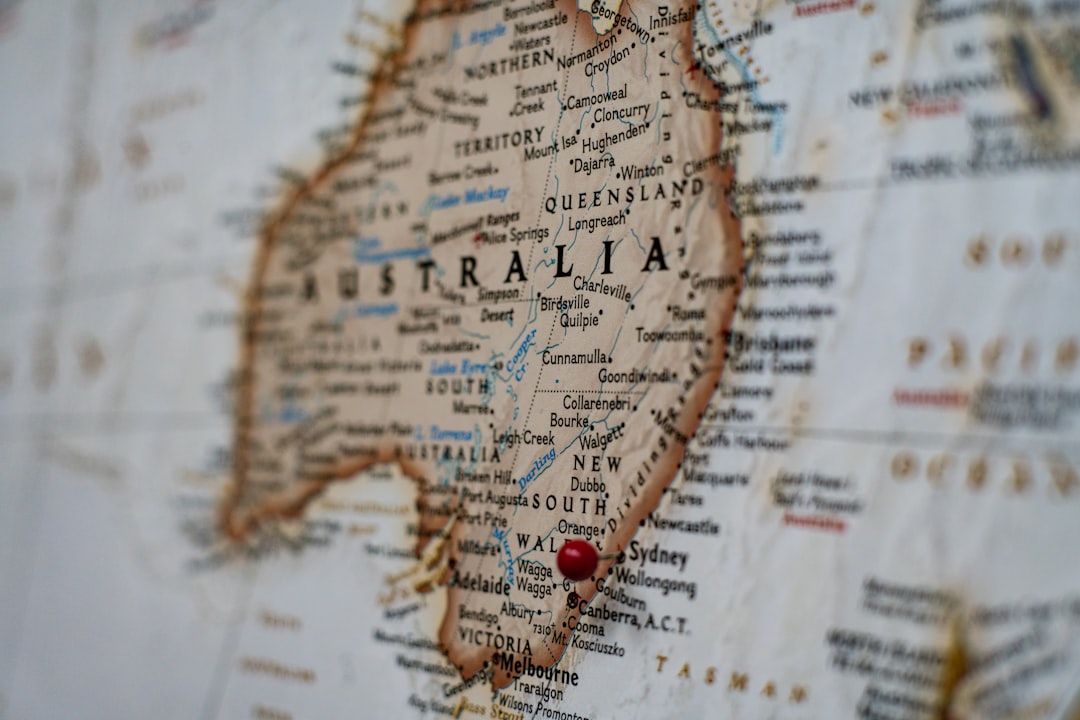
Australia offers some of the darkest skies on the planet, but not all darkness is created equal. To truly experience the cosmos, you need to understand the specific “quality of dark” found across our premier astro-regions. It is the difference between looking at a picture and stepping inside it.
The Velvet Black of the Outback
Head west into the heart of Western Australia or the vast expanses of South Australia, and you will encounter what we call the “velvet” black. This is a deep, soft darkness that seems to absorb light rather than just block it. In places like the Warrumbungle National Park—Australia’s first International Dark Sky Park—the contrast is so sharp that the air between you and the stars feels invisible. Here, the Southern Cross isn’t just a constellation; it feels like a jagged tear in the fabric of night, crystal clear against the infinite backdrop.
The Obsidian of the Red Centre
Venturing into the Northern Territory, the quality of the dark shifts around Uluru and Kata Tjuta. The iron-rich earth seems to radiate a primal heat that mingles with the cooling air. The sky here takes on an “obsidian” quality—incredibly dense and reflective. While the darkness feels heavier, the clarity is unmatched. The absence of humidity and the extreme altitude of the region allow for a transparency that makes the galactic core look like you could reach up and stir it with a spoon.
“The desert night doesn’t just hide the world; it reveals a universe that most people have forgotten exists.”
Coastal Dark Sky Parks
For those who prefer the sound of crashing waves with their cosmos, coastal parks like the River Murray Dark Sky Reserve in South Australia offer a unique experience. The saltbush and river red gums frame the sky, creating a natural amphitheatre. While slightly lighter in hue than the deep Outback due to coastal air currents, the stargazing here offers a comforting connection between the land and the sea.
Dining with the Stars (Accommodation & Facilities)
Forget generic hotel listings. To get the most out of your astro-adventure, you need to choose your base camp based on the “astro-vibe.” Whether you are a rough-and-ready camper or a seeker of comfort, there is a facility designed to keep your eyes on the sky.
Barefoot Luxury: The Open Swag Experience
There is no more authentic Australian way to sleep than in a traditional swag—a canvas bedroll that allows you to lie directly under the Milky Way. Eco-retreats like Longitude 131 near Uluru or various glamping sites in the Flinders Ranges offer this “Barefoot Luxury.” You drift off watching the satellites track across the void and wake up to the sun illuminating the landscape. It is immersive, raw, and surprisingly comfortable, blurring the line between indoors and out.
The Observatory Experience
For those who want guidance, staying near a dedicated observatory is key. Facilities like the Siding Spring Observatory accommodation in Coonabarabran or the Earth & Sky setup in Western Australia offer “dome stays” or nearby cabins paired with nightly guided tours. These are perfect for families or beginners who want to learn the mechanics of the sky. You get the high-tech equipment of the observatory coupled with the comfort of a warm bed, often featuring retractable roofs for private viewing sessions.
Roadside Warrior: Designated Rest Stops
For the self-drive adventurer, facilities are often about what isn’t there—specifically, light pollution. On a 7-day road trip from Sydney, you’ll find designated roadside rest stops in national parks that are specifically maintained for low light levels. Look for signage indicating “Dark Sky” friendly zones. These spots often provide flat gravel pads, basic picnic tables, and crucially, a ban on campfires during high wind or extreme fire danger days to preserve the air quality.
The Secret Season (Timing & Atmospherics)
Timing your trip is about more than just checking the lunar calendar. It is about understanding the temperament of the Australian air and atmosphere.
The Dry vs. The Humid
In the Southern Hemisphere, our winter months (May to August) offer the steepest clarity. The air is cold and lacks the heavy humidity that can create a “haze” near the horizon during the summer “Wet” season in the Top End. If you are planning a road trip in Australia targeting astro-photography, aim for the winter months. The crisp winter air acts as a lens, sharpening the light of stars millions of light-years away.
Warning: The Unpredictable Bush
Local Lore: Navigating by Feel
Brochures give you coordinates, but locals give you the truth. Surviving and thriving under the Australian stars requires a bit of bush knowledge that you won’t find on a map.
The Mozzie Gauge
Local Tip: Water sources are great for reflecting starlight, but they are also breeding grounds for mosquitoes. In areas like the Kimberley or around the Murray River, the “mozzies” can be ferocious at dusk. The locals know that the breeze often picks up about an hour after sunset, blowing the bugs away. Use this window to set up your telescope or swag, then retreat to your netted shelter until the wind settles.
Indigenous Star Stories
Key Moments in the Dark
The “Unnecessary Telescope” Story
I remember a trip to the Pilliga Scrub a few years back. I had lugged a heavy, expensive telescope, setting it up with painstaking precision. But as the night deepened, the sky was so profoundly clear—so devoid of light interference—that the telescope felt redundant. The Milky Way was a textured, swirling cloud of light and colour to the naked eye. I spent the night lying on the bonnet of the 4WD, just watching. The gear matters far less than the location. Sometimes, the best equipment is your own eyes.
The “Ghost Town” Encounter
Driving north of Kalgoorlie, I stumbled upon an abandoned mining town—nothing more than a few rusted shacks and a broken water tank. I killed the engine. The silence was absolute. I pulled out my star map and realized I had hit a pocket of “pristine darkness.” With zero light bleed from any town for 100 kilometres, the visibility was absolute. Standing there amongst the ruins of human endeavour, watching the timeless march of the constellations, was a humbling reminder of our small place in the universe.
Key Takeaways
- Location is Everything: Prioritise “velvet” dark zones like the Warrumbungle National Park over coastal areas for the sharpest contrast.
- Season Matters: Plan your trip during the dry winter months (May-August) for the crispest air clarity.
- Barefoot Luxury: Consider a swag experience for a truly immersive connection with the night sky.
- Safety First: Always check bushfire alerts and local road conditions before heading into remote areas.
Conclusion
As the embers of your campfire fade to a soft glow, remember that your experience impacts others too. Please use a red light torch or headlamp when moving around at night. White light instantly destroys your night vision—and that of your fellow campers—ruining the immersion for everyone. It takes about 20 minutes for human eyes to fully adapt to the dark, but only a second of white light to reset it. So, switch to red, lie back, and let the limitless canopy of the Australian outback swallow you whole. Turn off your device, book the trip, and remember—the stars are waiting.

Be the First to Comment
Sign in to start the conversation.