

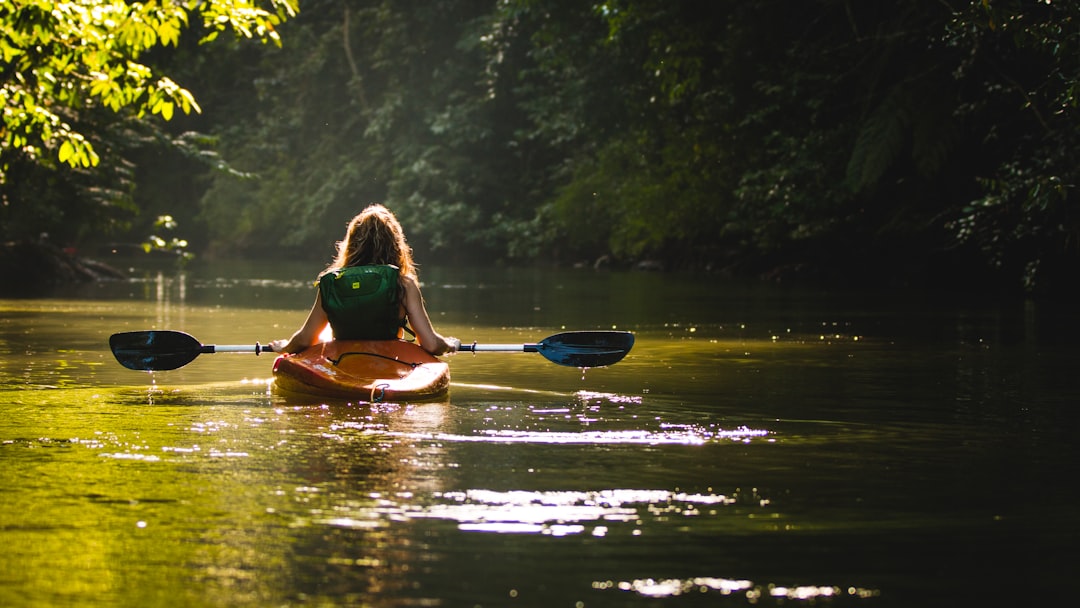
The first light of day spills across the water as your kayak glides silently through the mangrove-lined passage. The air hums with the waking calls of unseen birds, and your paddle disturbs only the surface tension of glassy water. Ahead, the Gold Coast skyline emerges, not as concrete towers, but as a backdrop to nature’s theater. This is Queensland’s outdoor playground—where adventure meets authenticity, and every turn reveals something unexpected. Whether you’re chasing the perfect wave, seeking hidden waterfalls, or simply want to immerse yourself in nature’s grandeur, the Gold Coast delivers experiences that go far beyond postcard-perfect beaches.
The Triple Terrain: Where Beaches Meet Bushes and Waterways
Queensland’s Gold Coast region offers three distinct outdoor environments, each with its own adventures and attractions. Understanding these terrains helps you plan the perfect experience based on your interests and energy levels.
Coastal Adventures
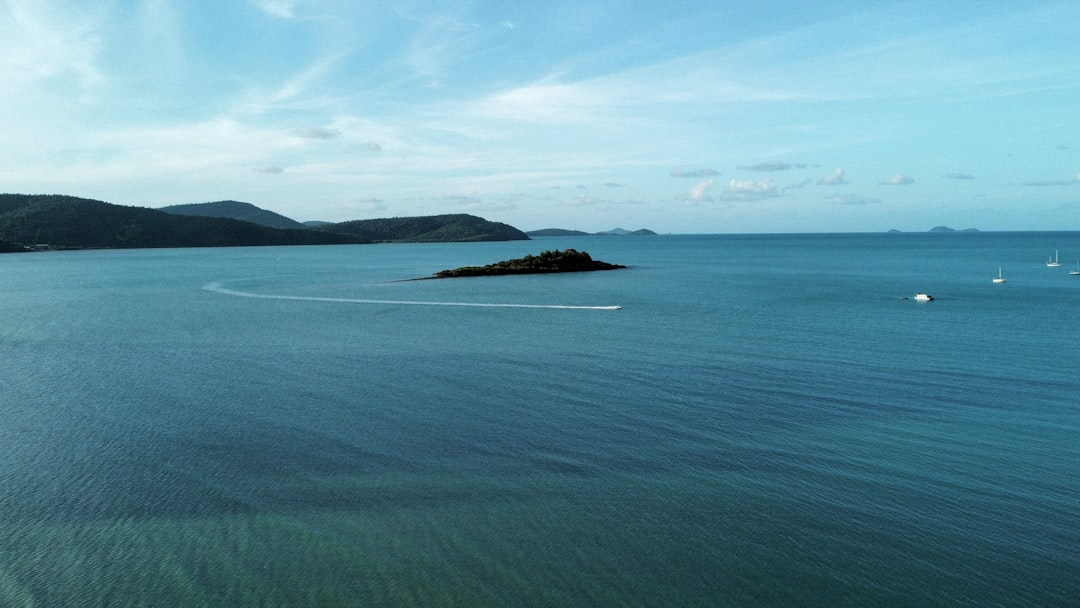
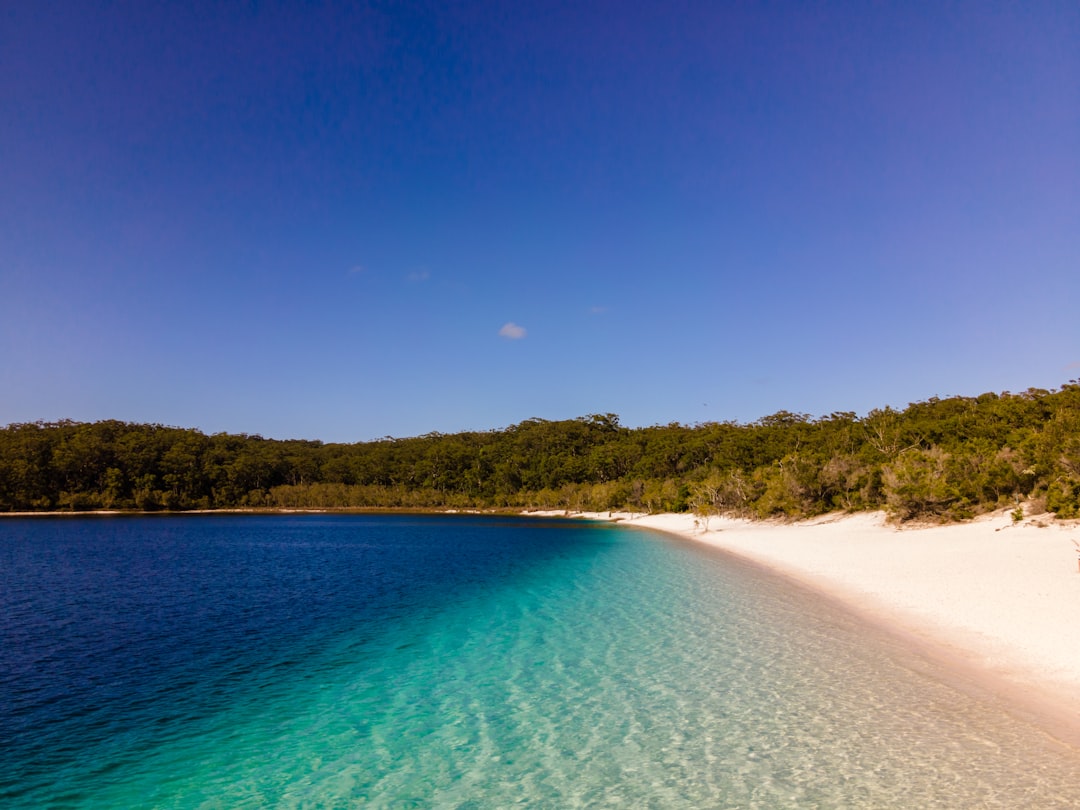
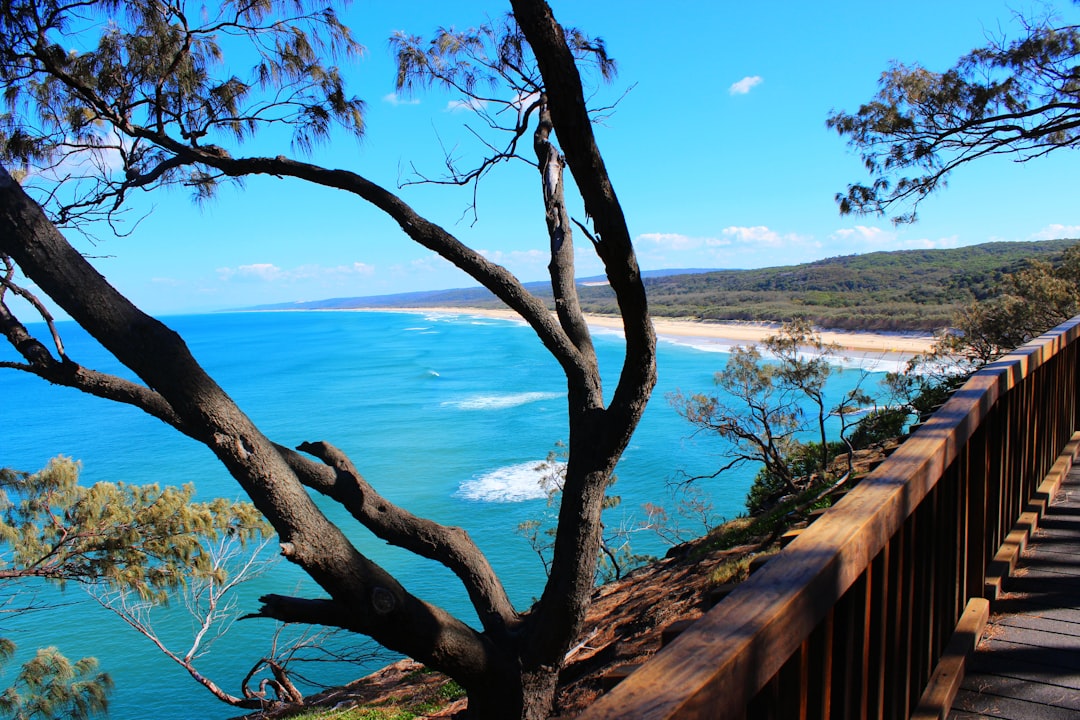
While Surfers Paradise draws the crowds, authentic coastal experiences await those willing to explore further north or south. The Gold Coast’s coastline stretches from South Stradbroke Island in the north to Coolangatta in the south, offering diverse experiences.
- Snapper Rocks: World-class surf break, particularly good for experienced surfers during the Quiksilver Pro in April
- Currumbin Alley: Protected swimming area and popular spot for beginner surfers
- Point Danger: Great vantage point for whale watching during migration season (June-November)
Hinterland Treasures
Just beyond the coastline, the Gold Coast Hinterland rises dramatically, offering cooler temperatures and lush rainforests. Lamington and Springbrook National Parks are World Heritage-listed areas with walking tracks that range from easy strolls to challenging multi-day hikes.
“The best views come after the hardest climbs, but the Gold Coast hinterland rewards you at every level.” – Local hiker and tour guide
Waterway Wonders
The Nerang River system and its tributaries create an extensive network of waterways perfect for kayaking, paddleboarding, and fishing. The Broadwater, between Southport and the ocean, offers calm conditions ideal for families and beginners.
Timing is Everything: The When and Why of Queensland’s Seasons
Spring (September-November)
This season offers the Gold Coast’s most reliable weather—warm days, lower humidity, and minimal rainfall. It’s perfect for hiking, water sports, and outdoor festivals.
Summer (December-February)
Summer brings hot, humid conditions and afternoon thunderstorms. While the beaches are buzzing with activity, it’s worth planning your adventures for early mornings or late afternoons to avoid the worst of the heat.
Autumn (March-May)
Autumn in Queensland is glorious—warm days cooling to pleasant evenings, minimal rain, and fewer crowds. This is arguably the best time for most outdoor activities.
Winter (June-August)
Winter brings drier conditions and cooler temperatures, particularly in the hinterland. It’s whale watching season, and the water is crystal clear—perfect for diving and snorkeling.
Beyond the Brochure: Local Wisdom for Authentic Experiences
Unspoken Rules of Sharing Natural Spaces
Queensland’s outdoor community has a strong culture of respecting nature and each other. When visiting these special places, remember:
- Leave no trace—pack everything out, including food scraps
- Stay on marked tracks to protect fragile ecosystems
- Give way to uphill hikers on narrow tracks
- Respect wildlife—observe from a distance, never feed animals
The Gear Locals Actually Use
- reef shoes for rocky areas and tide pools
- lightweight, quick-dry clothing that offers UV protection
- reusable water bottles with filtration systems for longer hikes
Hidden Gems That Don’t Appear in Mainstream Guides
- Tallebudgera Creek—a calm, family-friendly alternative to busy beaches
- The Currumbin Rock Pools—natural swimming holes in the Currumbin Valley
- David Fleay Wildlife Park—where you can see native species up close in natural enclosures
Planning Like a Local: The Practical Stuff That Matters
Getting Around Without a Car
While having a car offers flexibility, the Gold Coast is surprisingly accessible without one:
- The G:Link light rail connects major beaches, shopping centers, and the hinterland gateway
- Local bus services extend the reach of public transport
- Bike rentals are available in most coastal areas
- Rideshare services operate in most tourist areas
Sustainable Practices for Protecting Precious Environments
The Gold Coast’s natural attractions face pressure from tourism. To minimize your impact:
- Choose eco-certified tour operators when booking activities
- Use reef-safe sunscreen when swimming in ocean and waterways
- Support conservation efforts by visiting national parks and paying entry fees
- Consider carbon offset options for travel to the region
What to Pack (and What to Leave Behind)
Key Takeaways:
- Sun protection is non-negotiable—wide-brimmed hat, high-SPF sunscreen, and UV-protective clothing
- Light layers for temperature changes, particularly in the hinterland
- Waterproof phone case for water activities and unexpected rain
- Comfortable footwear with grip for various terrains
- Leave expensive jewelry and valuables at your accommodation
Conclusion
The Gold Coast’s outdoor experiences offer something for every type of adventurer, from families seeking safe swimming spots to thrill-chasing surfers and serious hikers. By understanding the region’s diverse terrains, planning around seasonal conditions, and embracing local wisdom, you’ll discover the authentic outdoor spirit that makes Queensland special. Whether you’re kayaking at dawn, chasing waterfalls in the hinterland, or simply enjoying a sunset beach walk, the Gold Coast’s outdoor playground awaits—ready to create memories that will last long after you’ve returned home.
Frequently Asked Questions
What are the three distinct outdoor environments available on the Gold Coast?
The Gold Coast offers three distinct outdoor environments: Coastal Adventures featuring beaches and surf spots like Snapper Rocks and Burleigh Heads; Hinterland Treasures including World Heritage-listed Lamington and Springbrook National Parks with walking tracks for all skill levels; and Waterway Wonders consisting of the Nerang River system and Broadwater, perfect for kayaking, paddleboarding, and fishing with calm conditions ideal for families and beginners.
How can I get around the Gold Coast without a car?
The Gold Coast is accessible without a car through several options: The G:Link light rail connects major beaches, shopping centers, and the hinterland gateway. Local bus services extend public transport reach, bike rentals are available in most coastal areas, and rideshare services operate in most tourist areas, providing flexibility for exploring the region’s outdoor attractions without needing to drive.
When is the best time to visit the Gold Coast for outdoor activities?
Autumn (March-May) is arguably the best time for most outdoor activities with warm days cooling to pleasant evenings, minimal rain, and fewer crowds. Spring (September-November) offers reliable weather with warm days, lower humidity, and minimal rainfall, making it perfect for hiking, water sports, and outdoor festivals. Early September is particularly recommended for the Springbrook National Park wildflower display.
What sustainable practices should I follow when enjoying the Gold Coast’s outdoor attractions?
To minimize your impact on the Gold Coast’s natural attractions, choose eco-certified tour operators when booking activities, use reef-safe sunscreen when swimming in ocean and waterways to protect marine life, support conservation efforts by visiting national parks and paying entry fees, and consider carbon offset options for your travel to the region. Additionally, follow the ‘leave no trace’ principle by packing everything out including food scraps and staying on marked tracks to protect fragile ecosystems.



Be the First to Comment
Sign in to start the conversation.