

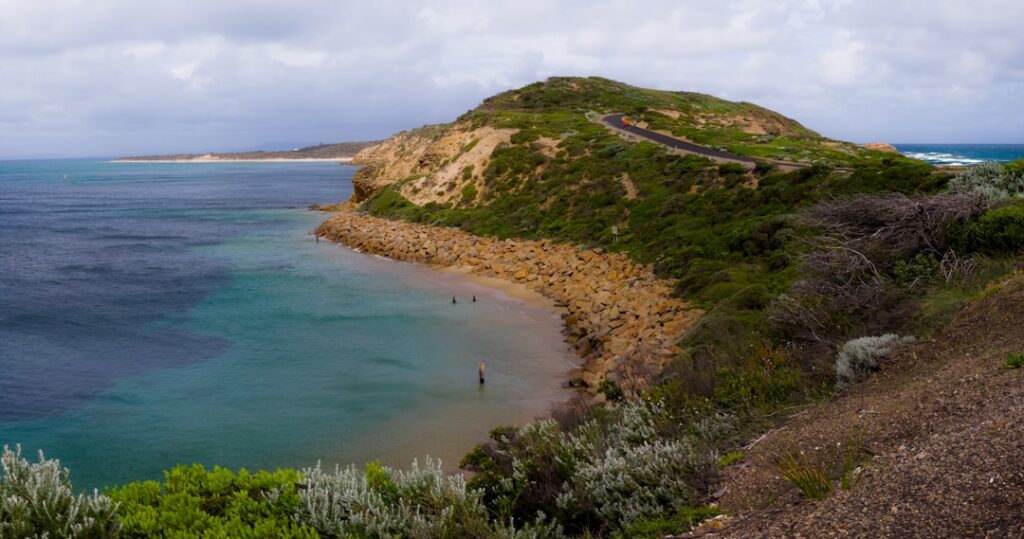
There’s something truly magical about lacing up your hiking boots and hitting the trails along Victoria’s breathtaking Great Ocean Road. This iconic coastal stretch, which winds its way for 243 kilometres from Torquay to Allansford, isn’t just about the drive – it’s home to some of Australia’s most spectacular hiking experiences. From towering limestone cliffs and ancient rainforests to pristine beaches and wildlife encounters, the Great Ocean Road region offers an incredible diversity of trails that cater to every fitness level and adventure appetite. Whether you’re a local looking for your next weekend escape or a visitor planning the ultimate Australian outdoor adventure, these five hiking locations will show you exactly why this part of Victoria remains a firm favourite among nature lovers and outdoor enthusiasts.
1. The Twelve Apostles and Gibson Steps Walk
No discussion about Great Ocean Road hiking would be complete without mentioning the world-famous Twelve Apostles. While most visitors settle for the lookout views, the real magic happens when you take to the trails that weave around these magnificent limestone stacks.
Trail Highlights
- Distance: 4km return (from Gibson Steps to Twelve Apostles)
- Difficulty: Moderate
- Time: 1.5-2 hours
- Best Time: Sunrise or golden hour for photography
The walk begins at Gibson Steps, where 86 steep steps descend to the beach, giving you a ground-level perspective of the massive offshore stacks. From here, you can stroll along the beach before climbing back up and following the coastal trail to the Twelve Apostles viewing platforms. The track offers ever-changing angles of these 50-metre-high formations, with plenty of spots to stop and soak in the sheer scale of nature’s artwork.
Local Tips
Early risers get the best experience here. The sunrise casts a warm golden glow on the limestone, and you’ll likely have the place mostly to yourself before the tour buses arrive. Parking fills up quickly, so aim to arrive before 8am during peak season. The beach section can be tricky at high tide – check the tide times before you go, and never turn your back on the Southern Ocean swells.
2. Great Ocean Walk: Full or Partial Adventures
For those seeking a more immersive experience, the Great Ocean Walk is Victoria’s premier multi-day hiking trail. Stretching 104 kilometres from Apollo Bay to the Twelve Apostles, this world-class track takes you through diverse landscapes that showcase the region’s incredible natural variety.
Choosing Your Adventure
You don’t need to tackle the entire trail to experience its magic. Many hikers opt for popular sections:
- Apollo Bay to Shelley Beach: Easy 3km return, perfect for families
- Castle Cove to Johanna Beach: Challenging 7km one way with spectacular coastal views
- Marengo to Cape Otway: 12km moderate walk through coastal scrub and historic lighthouse grounds
Practical Planning
The full walk typically takes 8 days, with designated campsites along the route. Bookings are essential and can be made through Parks Victoria. For day walks, you can access multiple trailheads with a 2WD vehicle, though some sections require 4WD. Water is scarce on many sections of the trail – carry at least 3 litres per person, even for shorter walks.
The trail is well-marked, but weather can change quickly along the coast. Pack layers and always bring rain gear, even on sunny days. The summer months (December-February) are busiest, while autumn (March-May) offers milder temperatures and fewer crowds.
3. Erskine Falls and Lorne’s Rainforest Circuit
Step away from the coastal cliffs and discover the lush, temperate rainforests that flourish just minutes from the charming town of Lorne. The Erskine Falls area offers a network of trails that transport you into another world of ancient myrtle beech trees and cascading waterfalls.
Trail Options
- Erskine Falls Lookout: 300m return, easy walk to viewing platform
- Erskine Falls Base: 450m return, moderate with 250 steep steps
- Strawberry Falls Circuit: 5km loop, moderate difficulty
- Lower Kalimna Falls: 3.6km return, easy walk through lush fern gullies
Seasonal Considerations
These falls are truly spectacular after winter and spring rains (June-November), when the water flow is at its peak. Summer offers pleasant walking conditions, though the falls may reduce to a trickle during particularly dry periods. The rainforest canopy provides excellent shade year-round, making this a perfect escape on hot summer days.
The tracks can be slippery and muddy after rain, so wear sturdy shoes with good grip. Leeches are common in the rainforest – pack salt or insect repellent if you’re squeamish. The sound of the forest, with its abundant birdlife and rushing water, creates a meditative atmosphere that’s worlds away from the coastal tourist spots.
4. Grampians Peak Trail: A Mountain Challenge
While not directly on the Great Ocean Road, no Victorian hiking guide would be complete without mentioning the Grampians (Gariwerd) National Park. Located just a 2.5-hour drive from the Great Ocean Road region, it offers some of the state’s most challenging and rewarding hikes.
The Main Attraction
The Grampians Peaks Trail is a 13-day, 164km epic adventure that connects the northern and southern Grampians. For day visitors, several standout sections deliver big rewards:
- The Pinnacle: 4.2km return from Wonderland Carpark, moderate difficulty with rock scrambling
- Mount William (Duwil):strong> 2.2km return from Mount William Carpark, moderate with 360-degree views
- MacKenzie Falls: 2km return, easy walk to one of Victoria’s largest waterfalls
Essential Preparation
The Grampians terrain is rugged and remote. Mobile reception is limited to major lookouts, so download offline maps before you go. Water sources are unreliable – carry plenty for your planned hike. The rock surfaces can be extremely slippery when wet, and temperatures vary dramatically between the valley floors and exposed peaks.
Spring (September-November) is ideal, with wildflowers carpeting the landscape and mild temperatures. Summer can be scorching, so start early and avoid the middle of the day. The park occasionally closes for bushfire risk – always check Parks Victoria alerts before visiting.
5. Anglesea to Aireys Inlet Coastal Walk
For a gentler coastal experience that’s perfect for families or those seeking a more relaxed day out, the section between Anglesea and Aireys Inlet offers stunning scenery without the crowds of the Twelve Apostles region.
What to Expect
This 10km one-way trail follows the coastline through varied terrain – from sandy beaches and rocky platforms to clifftop paths with panoramic ocean views. The walk is relatively flat and well-maintained, making it accessible for most fitness levels.
Key Attractions Along the Way
- Point Roadknight: Excellent spot for whale watching (May-September)
- Distillery Creek: Picnic area with facilities and short bushwalking options
- Aireys Inlet Lighthouse: Historic landmark with tours available
The trail can be broken into shorter sections, with multiple car parks providing easy access points. The Anglesea to Point Roadknight section is particularly family-friendly, with protected swimming beaches and rock pools to explore at low tide. Keep an eye out for kangaroos, wallabies, and abundant birdlife, especially in the early morning.
Planning Your Great Ocean Road Hiking Adventure
Timing is everything when planning your hiking trip along the Great Ocean Road. The region experiences a temperate maritime climate, with conditions that can change rapidly regardless of the season.
Best Times to Visit
- Autumn (March-May): Mild temperatures, fewer crowds, stable weather
- Winter (June-August): Dramatic seas, powerful waterfalls, whale watching season
- Spring (September-November): Wildflowers, mild weather, newborn wildlife
- Summer (December-February): Busy but perfect for beach walks and swimming
Essential Packing List
- Layers of clothing – the weather can change in minutes
- Rain jacket – even on sunny days
- Sturdy hiking shoes with good grip
- Plenty of water (at least 2 litres per person for day walks)
- Sun protection – hat, sunscreen, sunglasses
- First aid kit with blister treatment
- Mobile power bank – reception can drain battery quickly
- Snacks – many trails have limited facilities
Getting Around
Having your own vehicle gives you the most flexibility to explore different trailheads. The Great Ocean Road itself is well-maintained, but many trail access roads are unsealed and may require 4WD after rain. Public transport options are limited, especially for reaching more remote trailheads.
Consider basing yourself in one of the larger towns like Lorne, Apollo Bay, or Port Campbell and doing day trips to different hiking locations. All three offer a range of accommodation options from camping to luxury resorts, plus excellent restaurants to refuel after your adventures.
Conclusion
Victoria’s Great Ocean Road region offers an incredible diversity of hiking experiences that go far beyond what most visitors see from their car windows. From the world-famous limestone formations to hidden rainforest waterfalls, challenging mountain peaks to gentle coastal strolls, there’s a trail here that will speak to every type of outdoor enthusiast.
The real beauty of hiking in this region lies in the unexpected moments – spotting a kangaroo at dawn, having a pristine beach entirely to yourself, or watching the sunset paint the Twelve Apostles in impossible colours. These trails connect you not just with the landscape, but with the wild, untamed spirit of the Australian coast.
So pack your boots, check the weather forecast, and get ready to discover why the Great Ocean Road remains one of Australia’s most cherished hiking destinations. Whether you’re tackling a section of the Great Ocean Walk or enjoying a short rainforest stroll, you’re sure to leave with memories that will last a lifetime and a deeper appreciation for this extraordinary part of Victoria.
Frequently Asked Questions
What is the Great Ocean Walk and how long is it?
The Great Ocean Walk is Victoria’s premier multi-day hiking trail stretching 104 kilometres from Apollo Bay to the Twelve Apostles. This world-class track takes you through diverse landscapes showcasing the region’s incredible natural variety. While the full walk typically takes 8 days with designated campsites, many hikers opt for popular sections like the easy 3km return from Apollo Bay to Shelley Beach or the challenging 7km one-way from Castle Cove to Johanna Beach.
How do I access the Twelve Apostles and Gibson Steps Walk?
The 4km return walk begins at Gibson Steps, where 86 steep steps descend to the beach, giving you a ground-level perspective of the massive offshore stacks. From there, you can stroll along the beach before climbing back up and following the coastal trail to the Twelve Apostles viewing platforms. Parking fills up quickly, so aim to arrive before 8am during peak season. The beach section can be tricky at high tide, so check tide times before you go.
When is the best time to visit Erskine Falls for optimal water flow?
Erskine Falls is truly spectacular after winter and spring rains from June to November when the water flow is at its peak. The falls may reduce to a trickle during particularly dry summer periods. The rainforest canopy provides excellent shade year-round, making this a perfect escape on hot summer days. The tracks can be slippery and muddy after rain, so wear sturdy shoes with good grip.
What are the costs and booking requirements for hiking the Great Ocean Walk?
For the full 8-day Great Ocean Walk, bookings are essential and can be made through Parks Victoria for designated campsites along the route. For day walks, you can access multiple trailheads with a 2WD vehicle, though some sections require 4WD. Water is scarce on many sections of the trail – carry at least 3 litres per person, even for shorter walks. The trail is well-marked but weather can change quickly, so pack layers and rain gear.

Be the First to Comment
Sign in to start the conversation.