


Opening Approach: Scene Setting
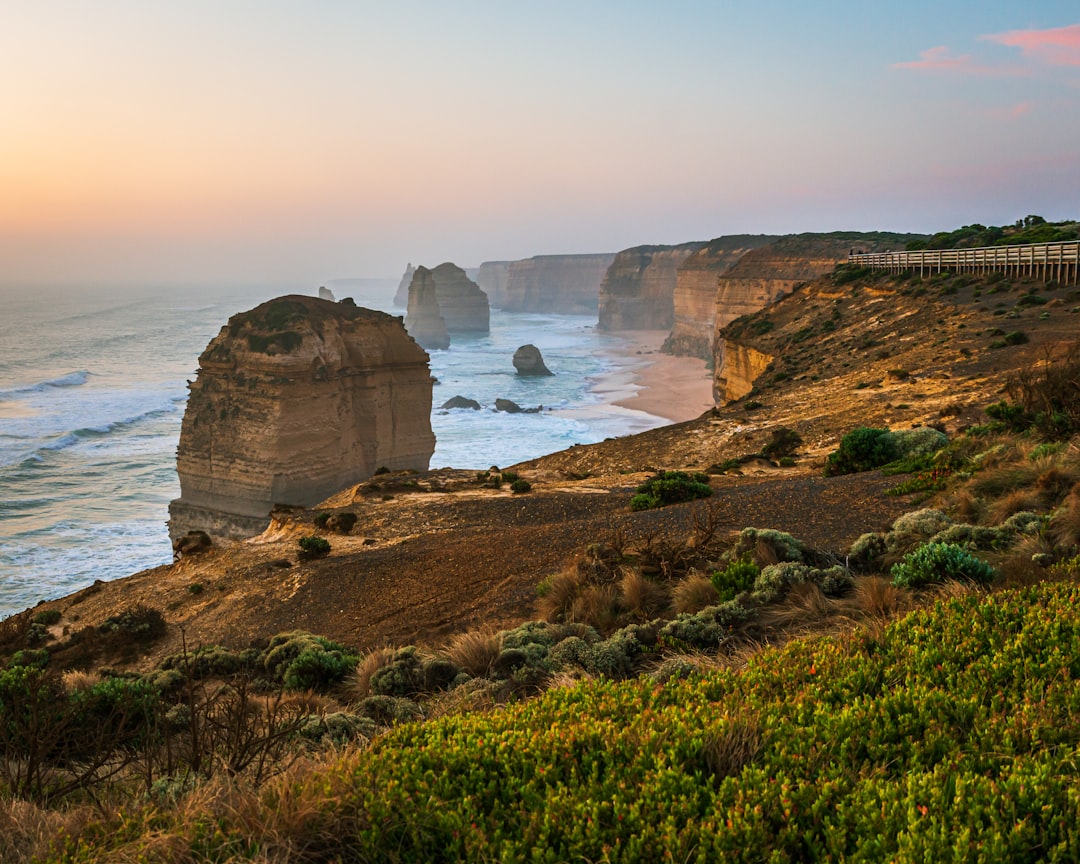
The sun cracks over the rim of the Otway Ranges like a hot knife through butter, slicing gold across the winding asphalt of the Great Ocean Road. You’re in a beat-up rental car, windows down, wind tugging at your hair like an old mate pulling you into a story. Ahead, the ocean doesn’t just appear—it *arrives*. One moment you’re passing a lone gum tree with rust-colored bark, the next: cliffs plunging into slate-grey waves, and a jagged line of rock pinnacles rising from the swell—The Twelve Apostles, not as a postcard, but as if they’ve been waiting for you all your life. The air smells of salt, eucalyptus, and diesel fumes from a passing 4WD. This isn’t just a road trip. It’s a conversation with the land itself—and it starts *now*.
—
I. The Map That Lies (And the One You Should Trust)
You’ve seen the Great Ocean Road map—clean lines, perfect turnarounds, tourist hubs labeled like clockwork. But the real magic? It’s not on that map. We’ll break down where to *actually* stop (not just “check-in” spots), including the hidden cove near Lorne where locals drop their bikes and swim at low tide, and why you should skip the main car park in Apollo Bay during midday. You’ll get a *real* map—not GPS, not Google—just the kind made by someone who’s woken up at 5 a.m. to catch light on the Gully.
– **The Secret Turnoff Near Aireys Inlet**: Just past the dunes, there’s a narrow dirt track marked only by a weathered sign: “To Wychitella Beach – No Vehicles After 10am”. Locals call it the “backbone road” because it cuts through coastal heath and gives you panoramic views of the ocean *before* the tourist buses arrive.
– **The Apollo Bay Detour**: Instead of parking at the main lookout, drive 200m further down to a small gravel access point that leads to the old lighthouse ruins. There’s no sign, but locals use it for sunrise photos—no crowds, just wind and wildflowers.
“The map doesn’t show the moments that matter. It shows places. The real trip happens between them.” — Marnie, Aireys Inlet café owner and fourth-generation coastal guide
—
II. When You Should *Not* Go (And Why That’s Good)
You’ve heard: “Go in spring!” But what if you’re a family with toddlers, or someone who hates crowds? We’ll dive into seasonal truths: why winter means fewer tourists and better weather for hiking (if you’re not afraid of a little mist), why summer brings the *real* closures—like that one stretch near Loch Ard Gully that’s only open on weekends, and how to spot the *first* sign of a road closure (it’s not always on the app). There’s an honesty here: some days, you just can’t go. And that’s okay.
**This season (2026)**, the Great Ocean Road has seen increased erosion along the stretch between **Lorne and The Gully** due to heavy winter rains. Road closures are now more frequent—especially after 3pm on weekdays—and the *only* reliable way to check is via the **Victorian Department of Transport’s official status page**, not social media.
– Winter (June–August): Best for solitude and dramatic skies. Expect misty mornings, but cold nights—pack thermal layers.
– Spring (September–November): Wildflowers bloom, and the road is usually clear—but weekends still get busy.
– Summer (December–February): Peak season. Book accommodations *at least 3 months ahead*. Traffic often backs up near the Twelve Apostles at 2pm.
– Autumn (March–May): Ideal for families. Crowds thin out, and the coastal light turns honey-gold.
“I’ve seen people get stuck for hours trying to turn around on the shoulder near Lorne. It’s not just annoying—it’s dangerous.” — Local mechanic, Apollo Bay (2026)
—
III. The Local Who Told Me to Skip the Tourist Trail (And What I Learned)
This isn’t about “authenticity” as a buzzword. It’s about the woman at the kiosk in Aireys Inlet who handed me a soggy paper bag with two hot sausages and said, “Don’t go to the lookout at sunset. Go to the back road past the dunes—there’s a spot where you can see the waves *rise* from behind the cliffs.” That was my first real lesson: locals don’t sell experiences. They *live* them.
Here are three more truths from people who’ve spent decades on the road:
– **Surfer in Torquay**: “If you’re renting a car, don’t pick one with less than 250km of range. The road doesn’t care if you’re on a budget. And bring an extra water bottle—not for drinking, but to top up the radiator if you’re driving a van.”
– **Fisherwoman at Port Campbell**: “The real cliff walks start *after* the official track ends. Follow the old sheep trail behind the lighthouse—it’s not marked, but it gives you a view of seals at play.”
– **Guide in Warrnambool (via WhatsApp chat)**: “Don’t try to do the whole road in one day. Take it slow. The magic isn’t in seeing everything—it’s in *feeling* the wind change as you pass through each town.”
“You don’t need to see every rock. You just need to stop and listen.” — Darren, former park ranger and Great Ocean Road trail maintainer
—
IV. The Unspoken Rules (That Keep You Safe, Happy, and Off the Grid)
Most guides skip this. But here’s what no brochure says: never park on a downhill shoulder, even if it’s “just for 10 minutes.” It’s not just about getting towed—it’s a safety trigger. Also, the 4WD rule isn’t for adventure—some tracks are only passable in dry weather. And if you’re driving a family van, *don’t* try the Ocean Drive at night.
– **Never** park on a downhill shoulder—even if you’re taking a photo. It blocks emergency access and increases risk of collision.
– **Always** check the weather app *and* local road updates via [VIC Road Conditions](https://www.vicroads.vic.gov.au) before setting out. In 2026, a storm on March 14 caused an unexpected closure near **Apollo Bay**—and the road wasn’t reopened until April 2 due to landslide risks.
– **4WD Requirement**: Some tracks (like the one leading from **Kongorong** to **Glen Allyn**) are only open in dry conditions. Don’t assume your SUV is safe—check with local rangers first.
“The road isn’t just a path. It’s alive.” — Elsie, Calangute elder and coastal storyteller
—
Key Takeaways
- Visit in autumn (March–May) for ideal weather, fewer crowds, and perfect light.
- Avoid midday parking in Apollo Bay—crowds and heat make it miserable.
- Use real-time data: Check the official VIC Road Conditions site—not just Google Maps.
- Bring a spare water bottle—not for drinking, but to cool your engine if needed.
- Respect local knowledge: The woman at the Aireys Inlet kiosk wasn’t giving advice—she was offering a gift.
—
Closing Approach: The Road That Keeps Going
You don’t need to *finish* this road trip with a checklist of places ticked off. You’ll know you’ve done it right when the wind still feels like it’s whispering through your jacket, and you catch yourself not checking your phone—but just staring at a gull circling over the cliff edge, like it’s been waiting for you to finally see.
That’s not a destination. That’s the real point.
And if you’re lucky, you’ll leave with more than photos—you’ll carry a version of yourself that’s quieter, sharper, and ready to go again.
Because the Great Ocean Road doesn’t end at the last lookout.
It just… keeps going—beyond the map, beyond the rules, and into your bones.
Frequently Asked Questions
What is the best time of year to visit the Great Ocean Road for fewer crowds and ideal weather?
The best time to visit the Great Ocean Road is in autumn (March–May), when crowds thin out, weather remains mild, and the coastal light turns honey-gold. This season offers ideal conditions for road trips, with fewer tourists compared to summer’s peak (December–February), when accommodations must be booked at least three months in advance.
Why should I avoid parking in the main car park at Apollo Bay during midday?
Parking in the main car park at Apollo Bay during midday leads to overcrowding and intense heat, making it miserable for visitors. Locals recommend driving 200m further down to a small gravel access point leading to old lighthouse ruins—this hidden spot offers sunrise photos with no crowds and is used by locals for peaceful views.
What is the recommended way to check for real-time road closures on the Great Ocean Road?
Always check the official Victorian Department of Transport’s VIC Road Conditions website before setting out, not just Google Maps. In 2026, heavy winter rains caused frequent closures between Lorne and The Gully, and unexpected storm-related closures near Apollo Bay (March 14) led to a 3-week delay in reopening due to landslide risks.
What should I do if my rental car has less than 250km of range when driving the Great Ocean Road?
If your rental car has less than 250km of range, it may not be suitable for the Great Ocean Road. A surfer in Torquay advises that road conditions don’t care about budget—bring an extra water bottle not for drinking, but to top up the radiator if driving a van or older vehicle. Some tracks require 4WD in dry weather only.


Be the First to Comment
Sign in to start the conversation.