

Best Time for Outdoor Yoga in Sunshine Coast | Monthly Breakdown
The warm sand beneath your palms feels soft yet supportive as you settle into downward dog. The salty tang of the Pacific Ocean mingles with the scent of eucalyptus trees as a gentle morning breeze whispers through the branches overhead. This is Noosa at dawn—a symphony of sensations that transforms a simple yoga practice into something sacred. But when exactly does this magic align? How do you navigate the seasonal rhythms to find that perfect moment when nature and movement become one?
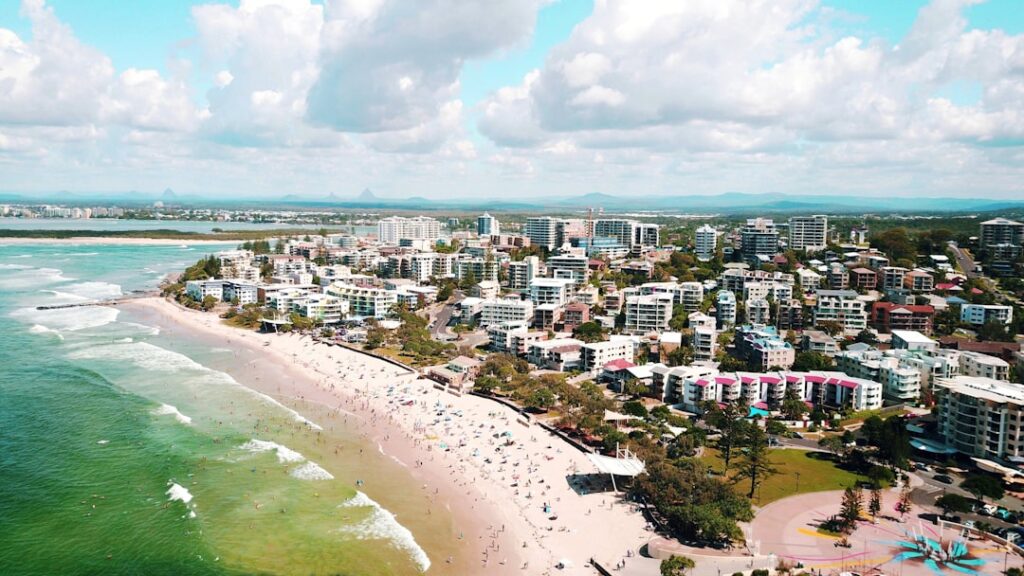
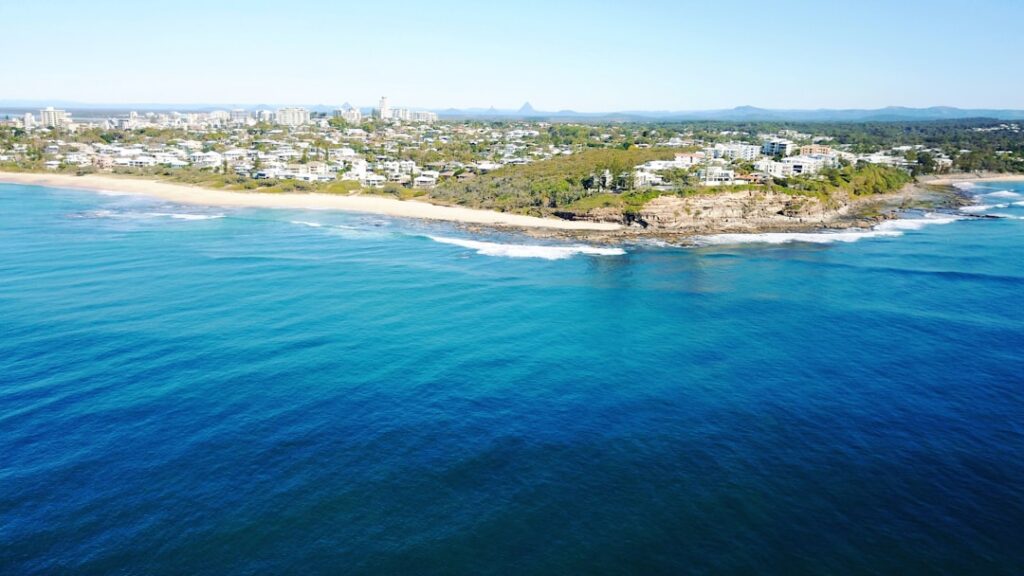
The Sunshine Coast offers an unparalleled canvas for outdoor yoga enthusiasts, with its diverse landscapes ranging from pristine beaches to lush hinterlands. Whether you’re a local seeking your favorite spot or a visitor planning the perfect wellness getaway, understanding the seasonal patterns and hidden gems can transform your practice from ordinary to extraordinary.
Seasonal Rhythms: Yoga Through the Year
The Sunshine Coast’s subtropical climate creates four distinct seasons, each offering unique conditions for outdoor yoga. Understanding these seasonal patterns helps you plan the perfect timing for your practice.
Summer (December-February)
Summer in Noosa brings warm to hot temperatures averaging 25-30°C, with higher humidity levels. This is peak season with larger crowds, especially around popular beaches and national parks. Early morning (6-8am) is ideal for practice to avoid the midday heat.
Autumn (March-May)
Autumn offers arguably the best conditions for outdoor yoga with warm days (22-27°C) cooling to pleasant evenings. Rainfall decreases, making it one of the most reliable seasons for consistent outdoor practice.
Winter (June-August)
Winter brings milder temperatures averaging 15-22°C, making it comfortable for longer sessions. Morning fog creates mystical conditions, particularly around Noosa River and the Everglades. This is also the driest season with the lowest rainfall.
Spring (September-November)
Spring sees temperatures gradually warming (18-25°C) with increasing humidity. This season features spectacular native flora, including blooming wattles and bottlebrush, creating vibrant natural settings for your practice.
Hidden Gems: Beyond the Main Beach
While Noosa Main Beach and the national parks are popular choices, locals know several hidden spots that offer equally breathtaking views with fewer crowds.
Noosa Botanic Gardens
Tucked within the Noosa National Park, the botanic gardens feature serene lakeside spots perfect for sunrise practice. The gardens’ secluded location provides tranquility while offering stunning reflections on the water surface.
Cooroy Mountain
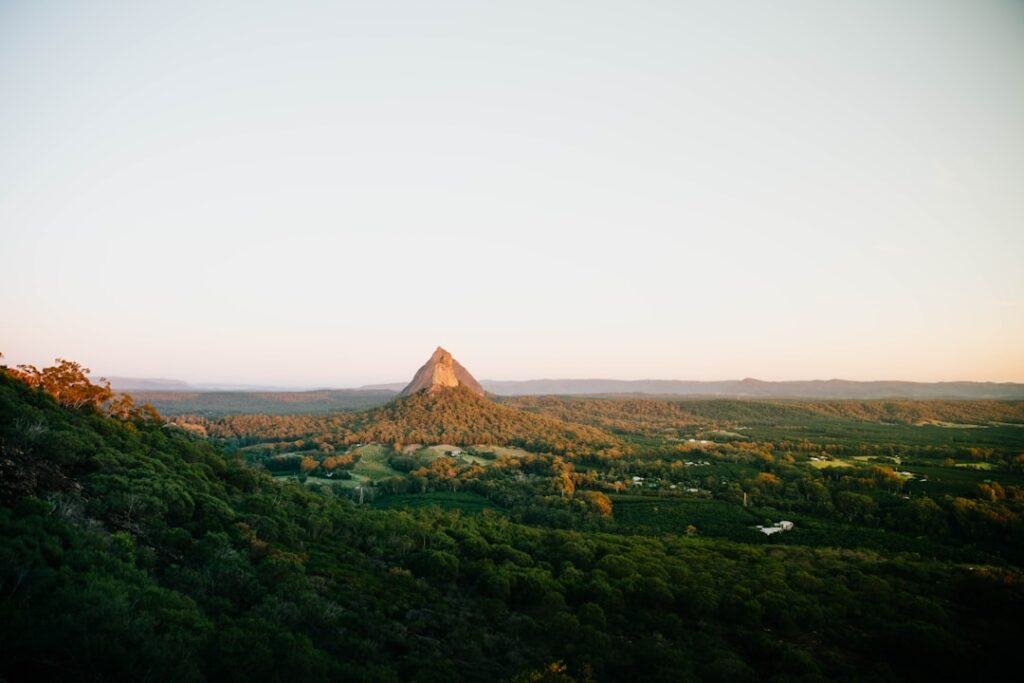
Just a short drive from Noosa, Cooroy Mountain offers elevated practice spots with panoramic views of the hinterland. The higher altitude provides cooler temperatures during summer months, making it ideal for midday sessions when beach locations become too hot.
The Everglades
The tranquil waterways of the Everglades provide a unique floating yoga experience. Several local operators offer stand-up paddleboard yoga during calmer conditions, combining the serenity of water with the benefits of yoga.
The Yoga Calendar: Monthly Highlights & Considerations
January: Beach Sunrise Sessions
Start your year with beach sunrise yoga at 5:30am when temperatures are coolest. The New Year period sees increased visitor numbers, so arrive early to secure your favorite spot.
February: Cool Evening River Flows
As summer heat intensifies, shift your practice to evening sessions along the Noosa River. The water breeze creates natural cooling, making 6pm sessions particularly refreshing.
March: Transition Month Magic
Autumn begins, offering the best of both worlds. Morning beach sessions remain pleasant, while late afternoon practices in the hinterland showcase the changing colors of the landscape.
April: Perfect Practice Conditions
April consistently ranks as locals’ favorite month for outdoor yoga. Temperatures hover around 24°C with minimal rainfall, creating ideal conditions for extended sessions in any location.
May: Misty Morning Mystique
Early morning sessions become especially magical as morning mist creates ethereal conditions around Noosa River. This is also when the first winter whales begin their migration north.
June: Winter Warmth
Winter arrives but brings surprisingly mild conditions. Protected north-facing spots like Sunshine Beach offer shelter from cooler southerly winds while capturing maximum winter sunshine.
July: Serene Season
The quietest month for tourism means you’ll have popular spots almost to yourself. Winter morning fog creates mystical conditions that clear by 8am, perfect for extended practices.
August: Pre-Spring Tranquility
August marks the transition toward spring with gradually warming days. The stillness of this period allows for deeper meditation during practice as nature prepares for renewal.
September: Spring Awakening
Native flora begins blooming, adding vibrant colors to your practice environment. This is when many local yoga studios move their classes back to outdoor locations after winter.
October: Shoulder Season Sweet Spot
October offers pleasant temperatures without the summer crowds. School holidays mean more families are about, creating a vibrant, community atmosphere during practice.
November: Building Summer Energy
As temperatures rise, adjust your practice timing to early morning or evening. This is when local instructors often begin offering special summer yoga events and workshops.
December: Festive Beach Vibes
The holiday season creates a festive atmosphere at beach locations. Morning sessions can be crowded, making protected spots like Tea Tree Bay preferable for those seeking tranquility.
Practitioner’s Toolkit: Preparing for Perfect Sessions
What to Pack
- Lightweight, quick-dry yoga mat (essential for beach sessions)
- Reversible mat with light/dark sides (darker side absorbs less heat)
- Sun protection: reef-safe sunscreen, hat, and UV-protective clothing
- Insect repellent (especially for dawn and dusk sessions)
- Lightweight towel or sarong for changing
- Water bottle with electrolyte tablets for summer hydration
Local Resources
Noosa has several excellent yoga studios that offer outdoor classes and workshops. Local favorites include:
- Noosa Yoga House – known for their beach sunrise sessions
- Soul Shine Yoga – offers floating SUP yoga in the Everglades
- Noosa Integral Yoga – specializes in seasonal workshops aligned with natural cycles
Adapting to Conditions
Outdoor yoga requires flexibility. During hot conditions, focus on cooling poses like child’s pose and forward bends. Cooler months are ideal for energizing sequences that build heat from within.
“The true beauty of outdoor yoga isn’t about perfect conditions, but about finding presence in whatever nature presents.” – Local instructor Sarah Chen, Nooga Yoga House
Key Takeaways
- Autumn (March-May) offers the most reliable conditions for outdoor yoga with pleasant temperatures and minimal rainfall
- Morning sessions (6-8am) are optimal year-round, though timing should shift based on seasonal temperatures
- Exploring beyond main beaches reveals hidden gems that offer equally stunning views with fewer crowds
- Local knowledge is invaluable – connecting with yoga studios provides access to lesser-known locations and seasonal insights
As you roll up your mat and feel the earth beneath your feet, perhaps you’ll begin to understand what makes Noosa more than just a place for yoga—it’s a living, breathing partner in your practice. The calendar may guide you when to go, but your own rhythm will teach you how to be present. Whether it’s the first breath of dawn or the quiet moments as the stars emerge, the true best time for outdoor yoga in Sunshine Coast is when you’re ready to listen—to your body, to the environment, and to that quiet space within where movement becomes meditation.
Frequently Asked Questions
What is the best season for outdoor yoga on the Sunshine Coast?
Autumn (March-May) offers the most reliable conditions for outdoor yoga with warm days (22-27°C) cooling to pleasant evenings and decreased rainfall, making it one of the most consistent seasons for outdoor practice. April consistently ranks as locals’ favorite month with temperatures hovering around 24°C and minimal rainfall, creating ideal conditions for extended sessions in any location.
How should I prepare for outdoor yoga sessions on the Sunshine Coast?
Pack a lightweight, quick-dry yoga mat (essential for beach sessions), preferably reversible with light/dark sides as the darker side absorbs less heat. Bring reef-safe sunscreen, hat, UV-protective clothing, insect repellent for dawn/dusk sessions, a lightweight towel or sarong for changing, and a water bottle with electrolyte tablets for summer hydration. Consider checking weather conditions before heading to remote locations as summer thunderstorms can develop quickly.
When are the best times of day for outdoor yoga on the Sunshine Coast?
Morning sessions (6-8am) are optimal year-round, though timing should shift based on seasonal temperatures. In summer (December-February), early morning (6-8am) is ideal to avoid midday heat. During February, evening sessions along the Noosa River at 6pm are particularly refreshing due to the water breeze. In winter (June-August), morning fog creates mystical conditions around Noosa River that typically clear by 8am.
What are some hidden gems for outdoor yoga beyond the main beaches on the Sunshine Coast?
Beyond Noosa Main Beach, consider these hidden spots: Noosa Botanic Gardens within Noosa National Park offers serene lakeside spots perfect for sunrise practice, particularly peaceful on weekday mornings. Cooroy Mountain provides elevated practice spots with panoramic hinterland views and cooler temperatures during summer months. The Everglades offer unique floating yoga experiences through stand-up paddleboard yoga with local operators during calmer conditions.



Be the First to Comment
Sign in to start the conversation.