

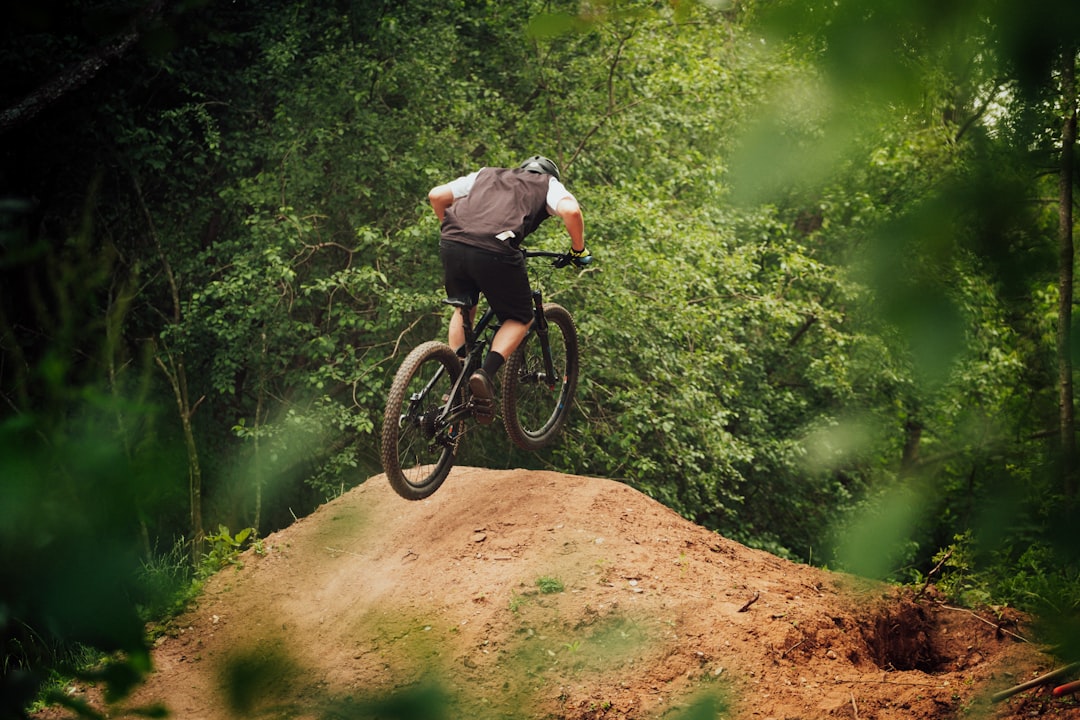
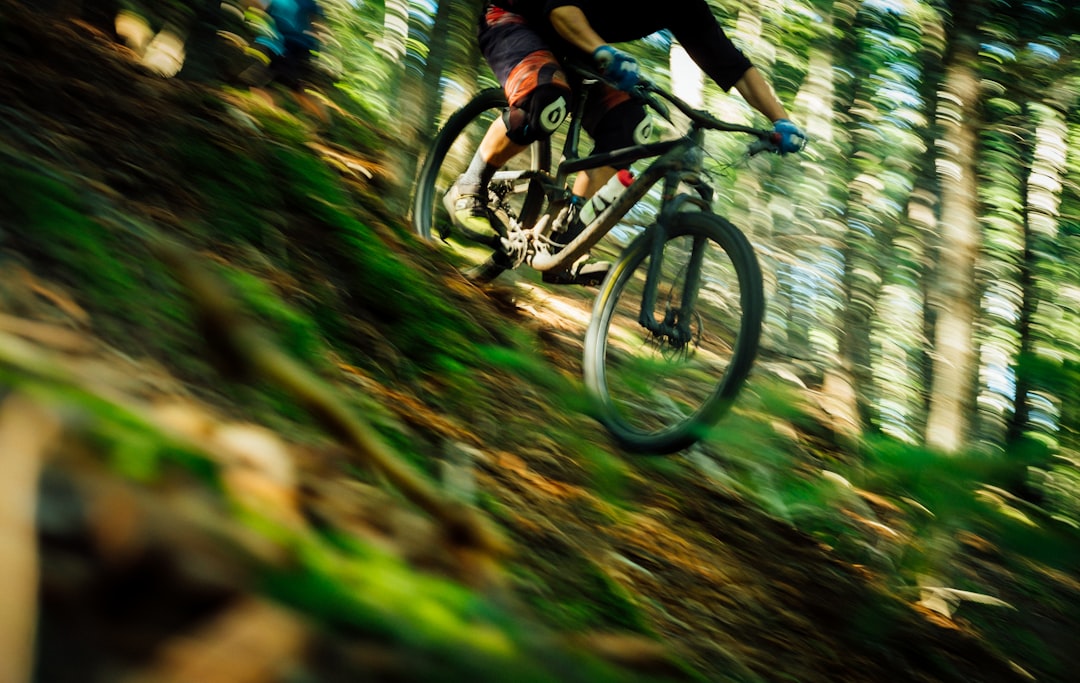
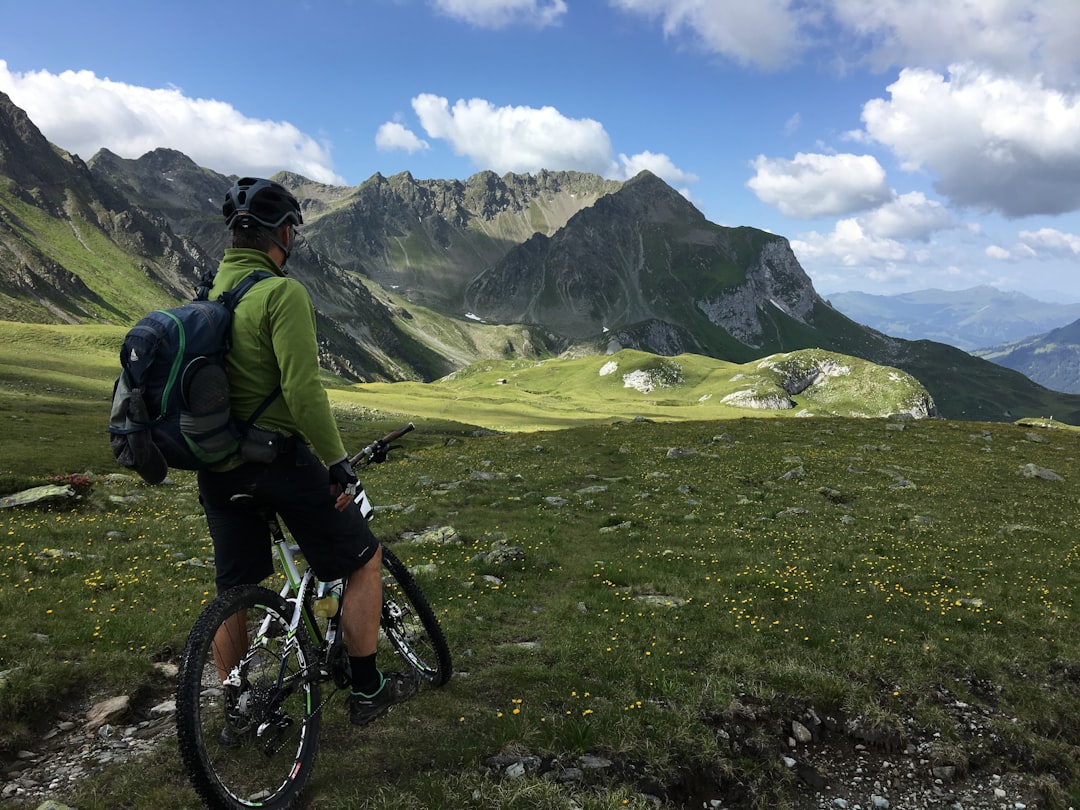
The crisp, thin air fills your lungs as you stand at the trailhead of Springbrook, the smell of damp eucalyptus and cool earth mixing with the metallic scent of your bike’s chain. It is July on the Gold Coast, and while tourists flock to Surfers Paradise for sun-drenched waves, you are standing at the precipice of a different adventure—one that most visitors miss entirely. The warmth radiating from your shoulders, contrasting with the sharp bite of the mountain air, signals that you aren’t just here to ride; you are here to experience the region’s raw, untamed beauty. This isn’t the summer Gold Coast you see on postcards; it is a secret, invigorating playground where the trails are alive with colour and the challenge is real.
The Golden Hour Trail Map
Winter on the Gold Coast isn’t a season to hide from; it is the optimal window for those who know how to read the landscape. While the coast battles humidity and summer thunderstorms, South East Queensland transforms into a cooler, more predictable paradise for mountain biking. The key to unlocking this season lies in timing and preparation.
Between 6:30 AM and 10:00 AM, the trails offer the best traction and lighting. This “Golden Hour” allows you to tackle technical sections before the midday sun dries out root systems that can become dangerously slick in winter. However, cooler weather changes the physics of your ride. The air is denser, and tire pressure dynamics shift slightly, requiring a proactive approach to gear checks.
Actionable Advice for Winter Riders:
- Tire Pressure Adjustments: In cooler, denser air, tires sit lower on the rim. Consider dropping pressure by 2-3 PSI from your summer settings to increase grip on wet roots.
- Surface Knowledge: Trails like Burleigh Headlands and Mount Nathan dry fastest in the morning. Avoid low-lying areas near waterways until mid-morning, as residual moisture lingers longer in winter.
- Gear Readiness: Layers are essential. A breathable base layer with a windproof shell ensures you stay warm without overheating during steep climbs.
This specific timing and gear strategy transforms a potentially muddy slog into a smooth, technical masterpiece. By respecting the morning window, you’re not just riding; you’re collaborating with the environment.
What the Locals Actually Ride
If you ask a tourist, they’ll point you to the beach. If you ask a local rider in Mount Tamborine, they’ll talk about the hidden gems of the Scenic Rim. There is a distinct culture of “insider” riding here, driven by residents who have spent years navigating the region’s shifting weather patterns.
“I used to hate winter riding until I realized my summer gear was the problem,” says Sarah, a long-time guide and resident of Tamborine Mountain. “Once I switched to lighter layers and accepted that the mud was actually a feature, not a bug, everything changed.”
Sarah’s story highlights a common *honest_limitation* among beginners: the fear of getting dirty. In reality, certain fern-heavy trails in Springbrook National Park are safer and more scenic in winter. The reduced intensity of summer storms means the famous “mud factories” are often dry enough for traction, yet lush enough to provide a stunning backdrop of emerald greens and hanging moss.
Local Insight: The Hidden Waterfall Stop
Near Nerang, there is a lesser-known waterfall trail that remains overlooked in summer due to the oppressive heat. In July, it offers a refreshing, misty respite. The trail is manageable for intermediate riders and provides a perfect pause point. However, practical travel information is crucial here: parking can be tight on weekends, and you must carry waterproof bags for your phone and camera. The reward—a misty waterfall framed by winter foliage—is worth the logistical planning.
The “Mud vs. Grip” Anecdote
A recent ride at Mount Tamborine illustrates this perfectly. A sudden winter drizzle turned dry dust into slippery clay, threatening to ruin the session. The rider’s *unexpected_discovery*? Switching from 25 PSI to 18 PSI transformed a treacherous slide into a smooth, grippy ride. This real-time problem solving is the hallmark of experienced winter riding: adapting your setup to the terrain, rather than fighting it.
The Value of the Chill
Why winter? The answer goes beyond avoiding crowds. There is a deeper value_proposition to riding in South East Queensland during the cooler months. It is about a more authentic connection with the landscape.
In winter, the wildlife is more active. You are far more likely to spot a yellow-tailed black cockatoo or a pademelon near the trail edges when the heat isn’t forcing them into deep shade. The light is softer, casting long shadows through the eucalyptus canopy that make every climb feel like a passage through a cathedral. This is not just exercise; it is an immersion into the rhythm of the hinterland.
This “authentic Australian experience” is a rite of passage. It separates the casual tourist from the serious enthusiast. By embracing the chill, you are not just visiting the Gold Coast; you are understanding it. You are learning to read the land, anticipate its moods, and find joy in the physical challenge of cooler temperatures. Every climb feels more rewarding because you have to work for it, and every descent is sweeter because the air tastes so clean.
Key Takeaways
- Timing is Everything: Ride between 6:30 AM and 10:00 AM for the best traction and light.
- Gear Adaptation: Adjust tire pressure for cooler air and use layered clothing systems.
- Local Knowledge: Seek out fern-heavy trails in Springbrook for safer, scenic winter rides.
- Embrace the Mud: Lower tire pressure can turn slippery clay into grippy traction.
Your Next Ride Awaits
Imagine your next weekend. It isn’t spent on a crowded beach, fighting for space under umbrellas. Instead, you are high in the hinterland, watching steam rise from your coffee mug while the sun breaks through the cloud cover. The trails are waiting, crisp and clear, offering a level of engagement that summer simply cannot match.
This guide isn’t just about telling you where to go; it’s about inviting you to a different way of playing. Winter is not a pause button for outdoor enthusiasts; it is a different, richer way to experience the world. So, check your gear, book the trail, and get out there. The Gold Coast is waiting for you, cooler and more beautiful than ever.
Did you know? The Gold Coast hinterland receives some of the highest rainfall in Australia, making winter riding a unique test of skill and adaptability that few other regions can offer.
Frequently Asked Questions
What is the optimal time of day to ride in South East Queensland during winter?
The best window for mountain biking is between 6:30 AM and 10:00 AM. This ‘Golden Hour’ provides superior traction and lighting before the midday sun dries out root systems, which can become dangerously slick. Trails such as Burleigh Headlands and Mount Nathan dry fastest during these morning hours, whereas low-lying areas near waterways retain residual moisture longer in winter.
How should I adjust my tire pressure for winter riding conditions?
In cooler, denser air, tires sit lower on the rim, so you should drop your pressure by 2-3 PSI from your summer settings to increase grip on wet roots. For example, if you typically ride at 25 PSI, reducing it to around 18 PSI can transform slippery clay into smooth, grippy traction. This adjustment is crucial for maintaining control on the region’s fern-heavy trails and slippery clay surfaces.
Which specific trails are recommended for winter riding in the Scenic Rim?
Locals recommend hidden gems like Mount Nathan and Burleigh Headlands, which dry fastest in the morning. In Springbrook National Park, fern-heavy trails are safer and more scenic during winter due to reduced storm intensity. Additionally, a lesser-known waterfall trail near Nerang is ideal for intermediate riders in July, offering a misty respite, though parking can be tight on weekends.
What gear and safety preparations are essential for winter rides?
Wear a breathable base layer with a windproof shell to stay warm without overheating during steep climbs. Always carry waterproof bags for your phone and camera, especially when visiting the waterfall trail near Nerang. Safety-wise, plan rides with a headlamp due to reduced daylight hours and notify someone of your expected return time. The Gold Coast hinterland receives high rainfall, so adaptability is key.

Be the First to Comment
Sign in to start the conversation.