

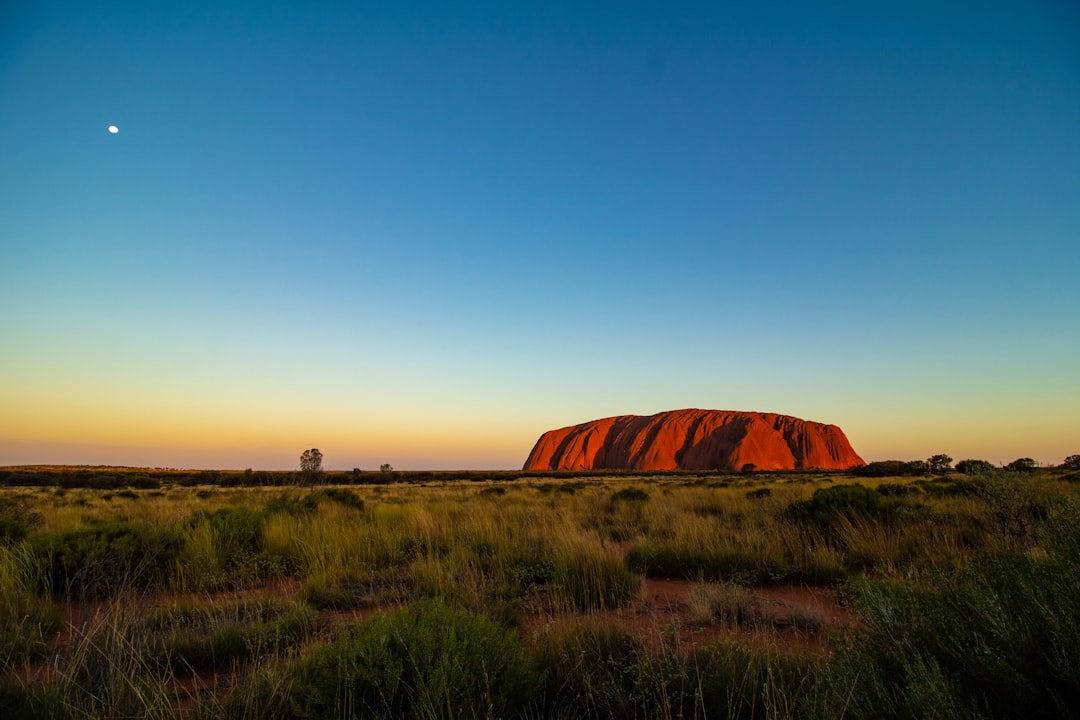


🔥 The smell of damp earth and crushed eucalyptus leaves mingles with the distant, melodic trill of a tawny frogmouth as you stand still on the Blue Mountains track. Want to learn how to spot native wildlife in their natural habitat? Here’s exactly how I did it, mate!
🎒 What You’ll Need (The Essentials)
First up, gear check! You don’t need to break the bank, but you do need the right kit. Grab a pair of compact binoculars (8×42 is perfect), sturdy hiking boots, and water. I always carry a pair of old binos in my bag from Kmart—works just as well for spotting a roo at 50m. Don’t forget your sunnies and a hat; the Aussie sun doesn’t care about your skin tone, mate!
1️⃣ Timing is Everything (The Golden Hours)
Listen closely: most wildlife sleeps during the heat of the day. To actually see anything, you need to be out and about during ‘Golden Hours’—that’s sunrise (around 6:30 AM in winter) and late arvo (4 PM onwards). Last June, I woke up at 5:30 AM for a walk in the Blue Mountains, and it was pure magic. The koalas were waking up, and I saw a wallaby family grazing by the roadside before the tourists even woke up!
2️⃣ Mastering the Art of ‘Doing Nothing’
This is where beginners fail—they walk too fast! The key to wildlife watching is patience. Find a quiet spot near water sources or gum trees, sit down, and just… wait. I mean it. Sit there for 20 minutes. Scroll on your phone if you have to, but stay quiet and still. Eventually, the animals forget you’re there. I once spotted a lace monitor sunning itself on a rock for ten minutes because I didn’t move an inch. Trust me, the stillness is your best tool.
3️⃣ Reading the Signs (Tracks & Scat)
Instead of staring blindly into the bush, look for clues. Bird calls are huge indicators—if you hear a kookaburra laughing, there’s likely activity nearby. Look for tracks in the mud or scat (poop) on trails; it tells you what’s been passing through. I learned to spot koala feeding trees by the sparse leaves and stubby branches—they only eat certain gums. Spotting the tree means spotting the koala!
4️⃣ Ethical Viewing & Safety First
Right, important bit: never chase or feed the animals! It stresses them out and can be dangerous (hello, kangaroos with sharp claws!). Keep a respectful distance—use your binos to get closer. If an animal changes its behaviour because of you, you’re too close. Also, watch out for snakes in the grass; give your stick a ‘whack’ (a Aussie tradition!) before stepping over logs to scare them off. Safe travels, mate!
📋 Practical Info
📍 Katoomba Scenic World, Corner Katoomba & Clifton Streets, Katoomba NSW 2780
🚗 From Sydney CBD, take the train to Katoomba Station (approx 2 hours) or drive via the Great Western Highway.
💰 $0 (Park entry is free), Binoculars ~$30-50
🕐 Best viewing: 6:30 AM – 8:00 AM or 4:00 PM – 6:00 PM
⏱️ 2-3 hours for a relaxed morning walk
💡 Tips & Warnings
✅ ✅ Do carry a small notebook to jot down bird calls or animal sightings—it’s heaps rewarding later!
❌ ❌ Don’t use flash photography or make loud noises; it scares wildlife away instantly.
⚠️ ⚠️ Warning: Be aware of aggressive wildlife in breeding seasons, especially kangaroos and certain birds. Maintain distance.
🚀 Give it a crack and let me know how you go! 🚀
#WildlifeWatching #BlueMountains #AustraliaNature #KoalaSpotting #OutdoorTips


Be the First to Comment
Sign in to start the conversation.