

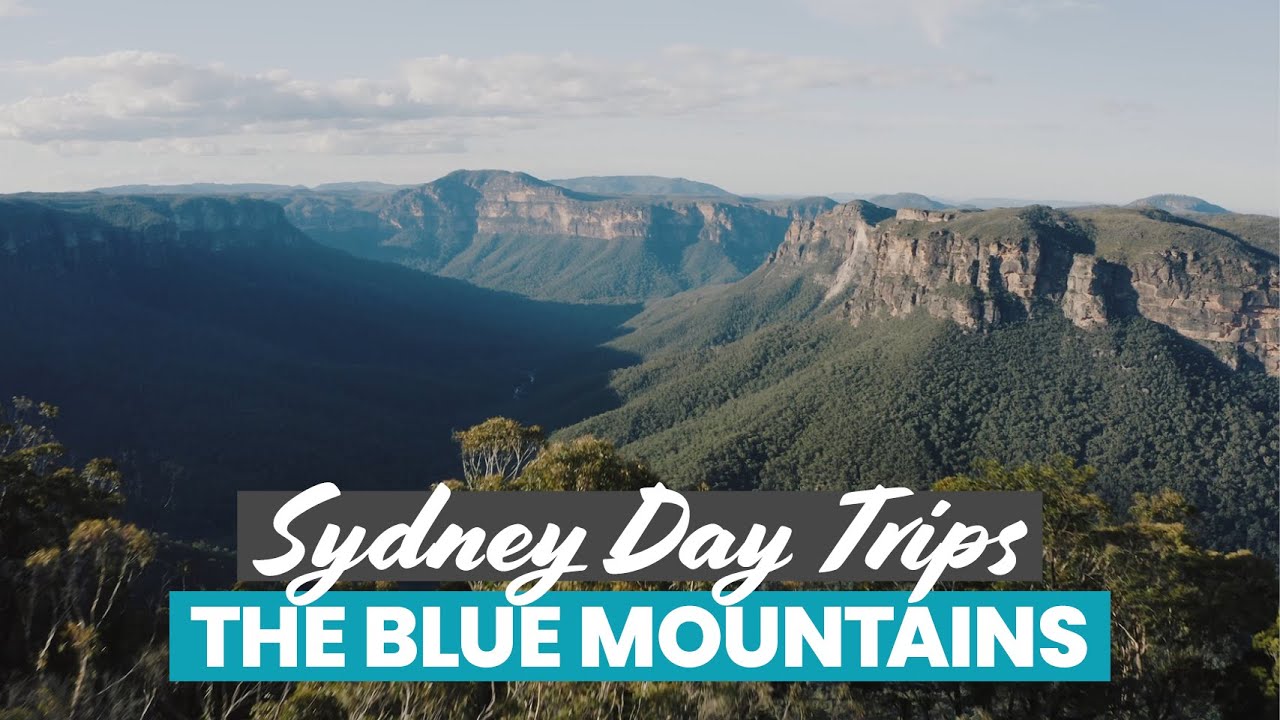
The sharp scent of crushed eucalyptus mingles with the dusty, dry air of a late autumn afternoon, wrapping around you like an ancient, aromatic blanket. You stand at the precipice of a sandstone cliff in the Blue Mountains, feeling the cool, damp shadow of the rainforest floor contrast sharply with the blinding white glare bouncing off the rock face above. There is a specific, hollow thud as your boot finds purchase on the rough stone, followed immediately by the gritty sensation of chalk dust coating your fingertips. This is not just a view; it is a tactile immersion into the geological heart of the Illawarra escarpment, where the air tastes of iron and history. Here, in this UNESCO World Heritage-listed expanse west of Sydney, the landscape doesn’t just ask for your attention—it demands your respect and physical engagement.
The Morning Commute & The Mental Shift
Getting to the Blue Mountains from Sydney is an adventure in itself, serving as a crucial decompression chamber before you even look up. While the standard route involves catching the train from Central Station on the Blue Mountains Line, many climbers make the tactical error of arriving in Katoomba during peak Saturday hours. The bottleneck is real; traffic on the Great Western Highway grinds to a halt, and parking at major crags becomes a game of chance.
To truly embrace the local rhythm, we recommend treating your journey as a psychological transition zone rather than mere logistics.
* The Scenic Route: Instead of the fast train, consider a weekend on the *Mountain Spirit* tour bus for a more relaxed arrival.
* Alternative Entrances: Skip the Katoomba crowds and head south to Wentworth Falls. The trailheads here are often quieter, yet offer world-class sport climbing.
* Driving Tips: If you’re hiring Blue Mountains accommodation with a car, aim for the southern loop. Roads like the Pacific Highway to Mount Tomah are wider and offer easier access to lesser-known bouldering spots.
The goal is to arrive with your heart rate calm and your mind clear, ready to focus on the rock rather than the traffic.
Reading the Stone: A Local’s Perspective on Sandstone
Rock climbing in this region offers a distinct challenge compared to other parts of the world. The geology of Greater Sydney is predominantly Torquil sandstone, formed over hundreds of millions of years. This stone behaves differently depending on the weather and humidity levels.
When dry, the rock is abrasive and grippy, offering excellent friction for shoes with sticky rubber. However, once a front moves through—even days later—the surface can become treacherously slick. This is known locally as “glassy” conditions, and it requires a fundamental shift in technique.
Crags to Know
* The Giant Staircase (Katoomba): The classic destination. Expect crowds, but also expect massive slabs and deep cracks that demand endurance.
* Wentworth Falls: A series of boulders near the waterfall base. The stone here is often choppier, requiring dynamic movement and powerful holding techniques.
* Toorongo: A hidden gem further south, featuring long, sustained routes that mimic the style of traditional alpine climbing.
Pro Tip: Always check the humidity levels before you go. If relative humidity is above 80%, bring your micro-suede shoes and prepare for a much slower, more deliberate style of climbing.
Quick Fact: The Blue Mountains get their name from the blue haze created when sunlight interacts with the volatile oils released by eucalyptus trees. This optical phenomenon is what gives the region its unique atmospheric quality, and it can obscure distant holds, forcing you to focus entirely on the immediate next move.
The Unwritten Rules: Community and Conservation
Climbing in the Blue Mountains is a privilege granted by the local community and the NSW National Parks. Unlike big wall expeditions in remote wilderness, these crags are accessible to the public and often surrounded by residents. This proximity creates a unique set of social responsibilities known as “the unwritten rules.”
First, is the principle of Leave No Trace. This goes beyond picking up your rubbish; it means respecting the fragile ecosystem of the rainforest floor below. Do not anchor gear on living trees unless absolutely necessary for safety, and stick to established approach trails to prevent soil erosion.
Secondly, community etiquette is paramount. The climbing scene here is tight-knit. Always greet other climbers, share beta (information about the route), and respect queue systems on popular sport routes. If you are new, ask before attempting a “beta-heavy” boulder problem to avoid disturbing others.
Safety Note: Many popular crags are located near public walking tracks. Be vigilant for hikers and families when throwing ropes or setting up anchors. A simple shout of “Climbing!” before a drop is not just courtesy; it can save lives.
The Unexpected Discovery & Honest Limitations
While Katoomba is famous, the true magic of rock climbing in this area lies in its hidden pockets. On a recent trip to the Grose Valley, we stumbled upon a lesser-known bouldering area tucked away near an old fire trail. It offered world-class cracks and technical face climbing without the tourist crowds of Katoomba. These hidden gems are often marked only by subtle cairns or faded tape on distant trees, rewarding those who look beyond the main signage.
However, we must share an honest limitation of our own experience to keep you safe. Early in our climbing journey, we severely underestimated the heat. Thinking that being only 30 minutes from Sydney would keep us cool, we went for a summer session without carrying enough water. We dehydrated quickly, feeling lightheaded within an hour.
It’s a harsh lesson: the mountains are not suburbs, even if they feel close. Always carry more water than you think you need (minimum 2 litres per person) and check the Fire Danger Rating before heading out. The “Blue” haze that obscures distant views can also obscure the intensity of the sun, making you vulnerable to heatstroke if you aren’t paying attention.
Summary and Final Thoughts
The Blue Mountains offer more than just a day trip from the city; they provide an immersive, sensory-rich experience that connects you with both nature and yourself. Whether you are a beginner looking for your first top or an experienced climber seeking challenging cracks, the region delivers authentic adventure.
Key Takeaways:
* Plan your entry wisely: Avoid Saturday morning bottlenecks by using alternative transport or entering from the south.
* Respect the stone: Sandstone is unforgiving when wet; check humidity and choose gear accordingly.
* Be a guest: Follow Leave No Trace principles to ensure these crags remain accessible for future generations.
* Stay hydrated: The heat can be deceptive; always prioritize safety and water supplies.
As the sun begins to dip, hitting the sandstone cliffs and turning them from grey to gold, you’ll realize why locals return year after year. The rock is waiting, but it’s your turn to listen. Pack your bags with gear, yes, but also with curiosity and respect for the landscape. The mountains have stories to tell, if you take the time to climb them.
Frequently Asked Questions
What are the best transport options to avoid crowds at Blue Mountains crags?
To bypass the heavy traffic bottlenecks on the Great Western Highway during peak Saturday hours, consider alternative transport methods. Instead of the standard Blue Mountains Line train from Central Station which arrives in Katoomba, you can take the Mountain Spirit tour bus for a relaxed arrival. For those hiring accommodation with a car, aim for the southern loop via the Pacific Highway to Mount Tomah. This route offers wider roads and easier access to lesser-known bouldering spots, helping you avoid the crowds at major crags like Katoomba.
How does humidity affect climbing conditions on Torquil sandstone?
The region’s Torquil sandstone behaves differently based on weather and humidity levels. When dry, the rock is abrasive and grippy, but once a front moves through—even days later—the surface can become treacherously slick, known locally as ‘glassy’ conditions. If relative humidity is above 80%, you should bring micro-suede shoes and prepare for a slower, more deliberate climbing style. Always check humidity levels before heading out to ensure you have the appropriate footwear for safe friction.
What are the key safety precautions regarding heat and water in the Blue Mountains?
A critical lesson for climbers is that the mountains are not suburbs, despite being only 30 minutes from Sydney. The ‘Blue’ haze can obscure the sun’s intensity, leading to rapid dehydration and heatstroke if underestimated. Always carry a minimum of 2 litres of water per person, regardless of the season. Additionally, check the Fire Danger Rating before you go and be aware that summer sessions can cause lightheadedness within an hour if hydration is neglected.
What are the unwritten rules and community etiquette for climbing in NSW National Parks?
Climbing here is a privilege granted by the local community and NSW National Parks, requiring strict adherence to Leave No Trace principles. Do not anchor gear on living trees unless absolutely necessary for safety, and stick to established approach trails to prevent soil erosion. Community etiquette is paramount: greet other climbers, share beta respectfully, and obey queue systems on popular sport routes. Always shout ‘Climbing!’ before dropping ropes to ensure the safety of hikers and families on nearby public walking tracks.

Be the First to Comment
Sign in to start the conversation.