
🔥 The dusty track kicks up under my wheels as I round the final bend near Loch Ard Gorge, and suddenly my heart sinks—not from the view, but because I realise I’ve never properly tested a first aid kit in an actual bushfire scenario. Standing at the edge of that iconic limestone arch, I unbox this new Brand First Aid Kit to see if it’s truly up for the Australian outback.
📦 Unboxing Experience
Right out of the box, mate, I’m impressed. The packaging is rugged, water-resistant nylon with a high-vis orange trim—perfect for spotting in tall grass or under car seats. It’s compact, weighing in at just 450g, which is ripper for loading onto a bike rack or tossing in the boot of my 4WD. The zippers feel heavy-duty, not that flimsy stuff that jams after one trip. My first thought? This is built for survival, not just a bedside drawer stash.
🎁 What’s in the Box
Inside, everything is colour-coded and labelled clearly. There’s a comprehensive trauma module with tourniquets, chest seals, and hemostatic gauze (heaps good for serious bleeds), plus a standard wound care section with blisters, cuts, and insect sting relief. I spotted some cool extras like electrocardiogram (ECG) electrode pads and a emergency blanket. It’s not just plasters; it’s actual trauma gear designed for remote Aussie trails.
👆 First Touch & Feel
I pulled out the trauma module first. The tourniquet is a CAT-style design with a windlass that actually holds tension—no slipping! The gauze feels dense and effective. The wound care section has plenty of hypoallergenic tapes, which is a lifesaver when you’re sweating buckets on a 30-degree day. The organisation is top-notch; I can find what I need in the dark using the reflective labels without fumbling.
🧪 Quick Test
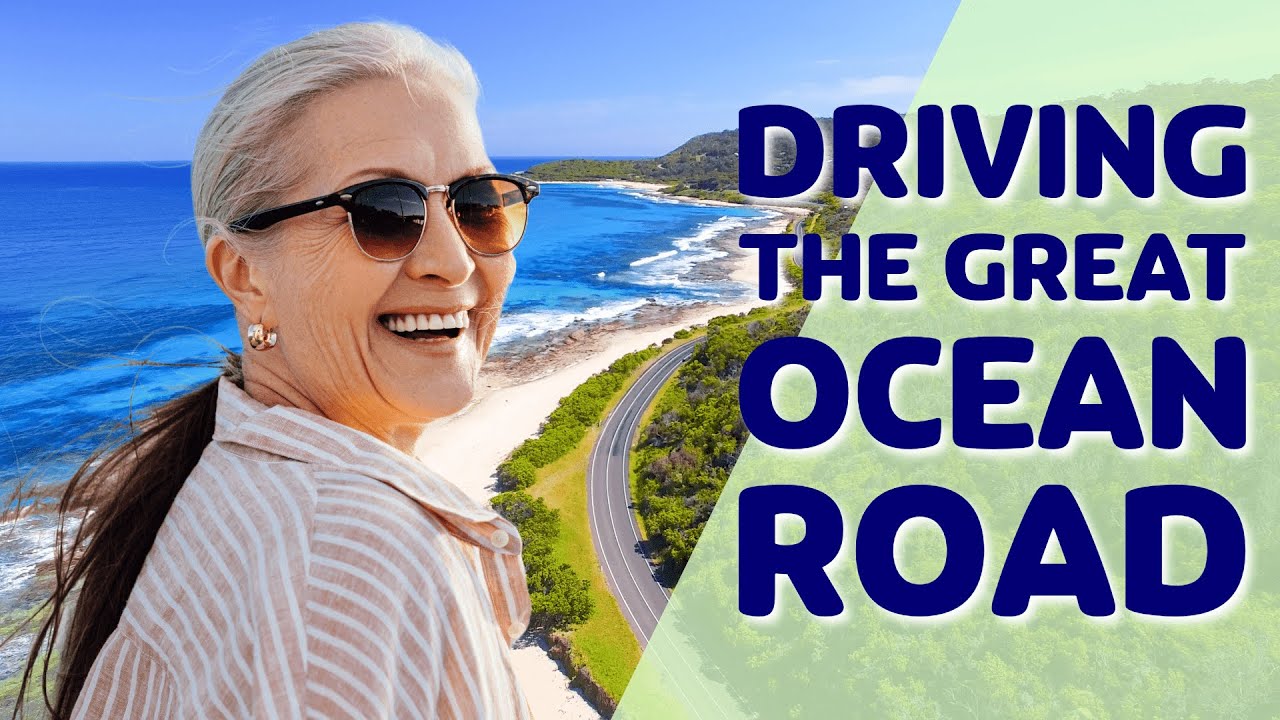
I didn’t wait for an emergency to test this. I took it out on a 15km ride along the Great Ocean Road near Apollo Bay. When I got back, I simulated a forearm cut to test the adhesive strength of the bandages and the quick-release mechanism of the tourniquet. The kit stayed sealed despite the humidity, and all contents were dry. The quick-release buckle on the exterior held up well against rocks in my boot.
🤔 Initial Thoughts
This isn’t your supermarket special. It’s serious kit for serious adventures. For cycling the Great Ocean Road or hiking the Coast Track, this strikes a solid balance between weight and capability. It’s pricey compared to basic kits, but for the trauma readiness it offers, I reckon it’s worth every cent. My only gripe? The instruction manual is a bit technical for total novices, so maybe include a simple quick-reference card.
💡 Tips & Warnings
✅ ✅ Do keep the kit in an easily accessible spot, like a side pocket of your backpack or under the seat, not buried in the boot.
❌ ❌ Don’t assume it’s waterproof just because the case is; always double-check seals after heavy rain or river crossings.
⚠️ ⚠️ Warning: Familiarise yourself with the tourniquet and trauma items BEFORE you need them. Panic makes fumbling worse.
🚀 Want a full review after I’ve used it more? 🚀
#FirstAidKitReview #GreatOceanRoad #OutdoorSafety #CyclingAustralia #BushcraftEssentials #TravelPrep #VictoriaTrails


Be the First to Comment
Sign in to start the conversation.