
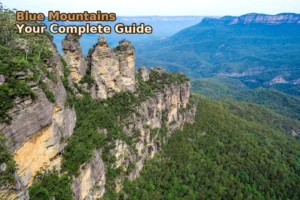
🔥 The car winds around the bend and suddenly, the whole valley opens up before you – endless eucalyptus ridgelines, golden morning light hitting sandstone cliffs, and a network of trails just waiting to be explored. That was me five years ago, absolutely clueless about hiking but completely hooked from that first view. Want to learn how to start hiking? Here’s exactly how I went from total beginner to tackling multi-day adventures…
🤔 What to Expect as a Newbie
Alright mate, here’s the honest truth – hiking isn’t about conquering mountains or being the fittest person on the trail. It’s about getting out there, breathing in that fresh air, and seeing parts of Australia you literally can’t access any other way. When I started, I could barely walk 5km without wheezing. Now? I’ve done everything from quick 2-hour Blue Mountains strolls to overnight camping trips.
The Blue Mountains is hands down the BEST place to start your hiking journey. You’ve got trails for every fitness level, absolutely ripper views, and it’s only 90 minutes from Sydney. Plus the National Parks folks have done a cracking job marking tracks so you won’t get lost (probably).
✅ Must-Have Gear for Beginners
Don’t go buying expensive gear straight away! Here’s what you actually need to get started:
👟 **Footwear**: Decent trail runners or hiking shoes with grip. I started in old runners and regretted it after slipping on wet rocks. You don’t need $300 boots, just something with tread!
🎒 **Daypack**: Any 15-25L backpack works. I used an old school backpack for months before upgrading.
💧 **Water**: Minimum 2L – more in summer. I can’t stress this enough, dehydration is no joke.
🧢 **Sun Protection**: Hat, sunnies, sunscreen. That Aussie sun is brutal even on cloudy days.
📱 **Safety Stuff**: Phone (download offline maps!), basic first aid kit, whistle.
👕 **Clothing**: Moisture-wicking top, comfortable shorts or pants. Cotton is rubbish once it gets wet – learned that the hard way!
1️⃣ Step 1: Pick an Easy Starter Trail
Start small and build confidence! For your first few hikes, choose well-marked trails under 5km with minimal elevation gain. The Blue Mountains has heaps of beginner-friendly options:
** Wentworth Falls Track (Blue Mountains)** – About 2km return, stunning waterfall views, well-maintained steps. This was my very first proper hike and I was absolutely stoked with the views!
**Grand Canyon Track (Blackheath)** – Around 6km loop, a bit more challenging but incredibly rewarding. Save this for your third or fourth hike.
Download the AllTrails app – it’s bloody brilliant for finding trails near you with reviews from other hikers.
2️⃣ Step 2: Plan Your Adventure
This is where you avoid becoming a search and rescue statistic (seriously, don’t skip this!):
📅 **Check the weather** – Bureau of Meteorology app is your best mate. No shame in postponing if conditions look dodgy.
🕐 **Start early** – Aim to begin your hike by 8am in summer, 9am in winter. Gives you heaps of daylight buffer.
📱 **Tell someone** – Text a mate your trail name, start time, and expected finish time. This one simple thing could save your life.
🗺️ **Download offline maps** – Reception in national parks is terrible. I use AllTrails Pro but there are free options too.
💧 **Hydrate BEFORE** – Drink 500ml water before you start, not just during the hike.
3️⃣ Step 3: On the Trail Basics
Right, you’re finally out there! Here’s how to not stuff it up:
🚶 **Pace yourself** – It’s not a race, mate. Find a comfortable rhythm where you can still chat. If you’re gasping for air, slow down.
⛰️ **Take breaks** – Every 20-30 minutes, stop for a minute. Drink water, have a snack, check your map. These micro-breaks make a huge difference.
📸 **Actually look around** – Don’t just power through! Stop at lookouts, appreciate the views, maybe spot some wildlife. That’s the whole point!
🦘 **Wildlife awareness** – Give animals space, don’t feed them (kills their natural foraging instincts), and watch for snakes in warmer months.
🚯 **Leave no trace** – Take ALL your rubbish with you, stay on marked tracks, don’t disturb plants. Let’s keep these places beautiful!
⚠️ Common Rookie Mistakes to Avoid
Learn from my stuff-ups so you don’t have to make them:
❌ **Underestimating distance** – A 10km hike on flat ground is totally different to 10km with elevation. Add 50% more time than you think you’ll need.
❌ **Ignoring weather warnings** – I once got caught in a storm without proper gear. Absolutely terrifying. Check conditions right up until you leave.
❌ **Wearing new shoes** – Break them in around the house first! Blisters will ruin your whole day.
❌ **Going alone as a complete beginner** – At least for your first few hikes, bring a mate. More fun and much safer.
❌ **Not bringing enough snacks** – Hangry hikers make bad decisions. Pack extra muesli bars or trail mix.
💡 Pro Tips from Years on the Trail
Stuff I wish someone told me when I started:
🔥 **Best time to hike in Blue Mountains** – Autumn (March-May) and spring (Sep-Nov) are absolutely perfect. Summer can get bloody hot, winter gets freezing at elevation.
💰 **National Parks Pass** – If you’re gonna hike regularly, grab an annual pass. Pays for itself after a few visits and supports park maintenance.
👟 **Invest in good socks** – Merino wool hiking socks prevent blisters. Best $25 you’ll spend!
📱 **Join hiking groups** – Facebook groups like ‘Sydney Hiking’ are gold for finding trails and hiking buddies.
🏞️ **Mid-week hiking** – If you can swing it, trails are way quieter Tuesday-Thursday. Weekend popular spots get packed!
💪 You’ve Got This!
Honestly, the hardest part is just getting out there that first time. Every experienced hiker started exactly where you are now – staring at a trail map wondering if they can actually do this. Spoiler: you absolutely can!
Start with something achievable, be prepared, and don’t put pressure on yourself. Before you know it, you’ll be that mate who’s always suggesting weekend hiking trips and sharing photos of incredible lookouts nobody else has seen.
The Blue Mountains alone has hundreds of kilometres of trails waiting for you. Pretty soon you’ll be planning overnight camping trips and tackling those challenging multi-day walks. How good!
📋 Practical Info
📍 Blue Mountains National Park, NSW 2782 (Multiple entry points – Echo Point, Katoomba is most popular)
🚗 From Sydney CBD: 1.5-2 hours by car via M4/M32 OR 2 hours by train from Central Station to Katoomba Station ($8-12 return off-peak)
💰 Free entry to most trails. National Parks Pass: $12/day per vehicle or $65/year (covers all NSW national parks)
🕐 Parks open 24/7 but recommend hiking between 7am-4pm. Visitor centres: 9am-4:30pm daily
⏱️ Beginner trails: 2-4 hours return. Plan extra time for photos and breaks!
💡 Tips & Warnings
✅ Download offline maps before you lose reception – AllTrails or Gaia GPS are both excellent options
✅ Join a local hiking group on Facebook to find experienced hiking buddies and discover new trails
❌ Don’t rely on phone GPS alone – always carry a physical map or downloaded offline version as backup
⚠️ Snake season runs October-April. Watch where you step, wear long pants in overgrown areas, and never try to handle or provoke snakes
🚀 Give it a crack and let me know how you go! Drop a comment with which trail you’re planning to tackle first, or hit me up if you’ve got questions – always happy to help a fellow hiker get started! 🚀
#HikingAustralia #BlueMountains #BeginnerHiker #AussieAdventures #HikingTips #NatureLovers #ExploreNSW #TrailLife #OutdoorAustralia #GetOutside
Be the First to Comment
Sign in to start the conversation.