
What If I Told You Some of Queensland’s Best Paddling Spots Cost Absolutely Nothing to Access—And You Don’t Even Need to Own a Kayak?
That’s the thing about outdoor activities for beginners—they often seem more complicated and expensive than they actually are. Whilst Melburnians flock to their free outdoor activities along the Yarra and Port Phillip Bay, South East Queensland offers something equally accessible: pristine waterways where you can hire a kayak for twenty bucks or join a social paddle for free. The Gold Coast alone boasts over 260 kilometres of navigable waterways, and most have public launch points that don’t cost a cent. Whether you’re a complete novice who’s never held a paddle or an adult looking to reclaim some adventure, spring in SEQ delivers conditions that make learning almost effortless.
The Spring Sweet Spot — Why September to November Changes Everything
There’s a reason locals get excited about spring paddling in South East Queensland. After the cooler winter months, September brings that magical combination of warm air and refreshing water temperatures that makes outdoor activities for beginners genuinely enjoyable rather than endurance tests.
What to Expect From Spring Conditions
Water temperatures in the Gold Coast Broadwater hover around 21-23°C during spring—refreshing enough to cool you down, warm enough that a capsize doesn’t send you into shock. Morning air temperatures sit in the comfortable 18-22°C range, perfect for paddling without overheating in a wetsuit or freezing in boardies.
The Afternoon Storm Reality
Here’s what the brochures don’t always mention: spring in SEQ brings afternoon thunderstorms, particularly from late October onwards. They’re usually short, spectacular, and predictable enough to plan around. The trick? Start early. A 6am launch gets you three hours of pristine conditions whilst everyone else is hitting snooze.
Zero-Dollar Launch Points — Free Access Spots That Locals Guard
One of the best-kept secrets about kayaking on the Gold Coast is how much of it costs absolutely nothing to access. Unlike some outdoor activities that require permits or entry fees, most waterway launches are council-maintained and completely free. Here’s where to go:
Tallebudgera Creek — The Beginner’s Dream
Head to the Tallebudgera Drive boat ramp near the surf club. There’s ample parking, a gentle sandy entry, and the creek’s sheltered waters stay calm even when the ocean beyond is churning. The southern bank offers protected paddling perfect for first-timers, and you can venture as far as the Burleigh Heads connection if you’re feeling confident.
Currumbin Creek — Wildlife Meets Accessibility
The car park off Duringan Street provides easy access to one of the coast’s most picturesque paddling spots. Morning high tide is magical here—you can glide under the Pacific Parade bridge and explore the upper reaches where mangroves create natural tunnels. It’s the kind of place that makes outdoor activities for adults feel like a proper adventure rather than exercise.
The Broadwater — Southport’s Playground
Launch from the pontoon near the Southport Swimming Centre for access to the most diverse paddling on the coast. Head north towards Wave Break Island for a longer journey, or stick close to shore and explore the sandy beaches that appear at low tide. Dawn paddles here offer glass-smooth conditions and the chance to spot stingrays in the shallows.
Never Held a Paddle? Perfect — A Beginner’s Honest First-Time Guide
I’ll let you in on a secret: I avoided kayaking for years because I thought I needed upper body strength, expensive gear, and some mysterious natural talent. Turns out, none of that matters for recreational paddling on flat water. Here’s what actually counts:
What to Wear (And What to Skip)
- Rashie and boardies or quick-dry shorts: Cotton gets heavy and stays wet. Synthetic or lycra-based clothing dries fast and won’t weigh you down.
- Water shoes or old sneakers: Thongs float away. Trust me on this one.
- Hat and sunnies with a strap: The Queensland sun doesn’t muck around, even in spring.
- Skip the wetsuit: Unless you’re paddling in deep winter, it’s overkill for SEQ spring conditions.
Technique in 30 Seconds
Hold the paddle with hands slightly wider than shoulder-width. Your arms should stay relatively straight—the power comes from rotating your torso, not pulling with your arms. Think about pushing the paddle blade into the water rather than pulling it back. And relax your grip; white-knuckling just leads to fatigue.
The Honest Fitness Truth
You don’t need to be an athlete. If you can walk briskly for 30 minutes, you can paddle for an hour. The water supports most of the effort, and you’ll naturally find your rhythm within the first ten minutes. Most outdoor activities beginners quit because they start too fast—take it easy, and you’ll be fine.
The creek doesn’t care if you’re a pro or you’ve never touched a paddle. It’s just there, waiting. And now you know where to find it.
The Grown-Up Playground — Where Adults Find Their Adventure
There’s something about kayaking that appeals to adults in a way that other outdoor activities don’t. Maybe it’s the combination of exploration, exercise, and the chance to disconnect from screens. Or perhaps it’s the accessibility—you can start at 35 or 55 and still become genuinely proficient within months.
Wildlife Encounters That Don’t Disappoint
The Gold Coast’s waterways teem with life if you know where to look. Paddle quietly along the mangroves at Currumbin Creek early morning and you’ll likely spot stingrays gliding through the shallows. The Broadwater regularly hosts dolphins, particularly near the Seaway. Turtles surface unexpectedly near Wave Break Island. For adults seeking outdoor activities that deliver genuine wildlife encounters, kayaking offers front-row seats without the crowds.
Social Paddling Groups
One of the fastest ways to improve is joining a social paddling group. The Gold Coast Kayaking Club welcomes beginners on their easy paddles, and several Facebook groups organise informal meetups. It’s how many adults discover that outdoor activities can be social rather than solitary—shared adventures beat solo slogs every time.
Sunrise and Sunset Missions
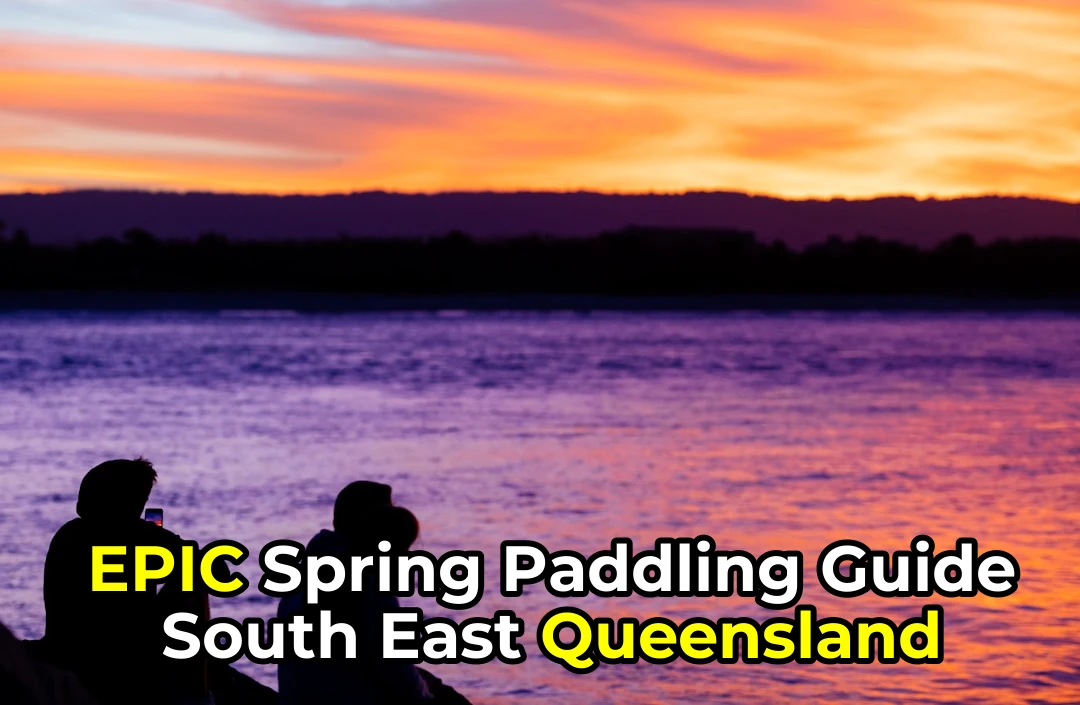
Once you’ve built confidence, dawn paddles become addictive. Launching at first light from the Broadwater, watching the skyline glow orange as pelicans dive beside you—it’s the kind of experience that reminds you why outdoor activities for adults matter. Not everything has to happen in a gym or behind a desk.
What No One Tells You — The Stuff Instagram Skips
Every outdoor activity has its unglamorous realities, and kayaking is no exception. Here’s what you actually need to know:
Jellyfish Season
Bluebottles appear on onshore winds, usually summer but occasionally late spring. They’re annoying rather than dangerous for most people, but worth avoiding. Check the beach conditions before launching—if there are bluebottles on the sand, there’ll be some in the water.
The Wind Factor
Anything above 15 knots makes paddling significantly harder for beginners. The BOM Marine Weather app should be your best friend—check the wind forecast before every trip. Mornings are almost always calmer than afternoons in SEQ.
Parking Realities
Popular spots like Tallebudgera Creek fill quickly on weekends. Arrive before 7am for stress-free parking, or accept that you’ll be circling. It’s the same reality that affects most free outdoor activities—the best spots attract crowds.
Gear You Actually Need vs. What Shops Want to Sell You
If you’re just starting, hire equipment before buying anything. Once you’re hooked, invest in: a decent paddle (makes a huge difference), a comfortable PFD (personal flotation device—mandatory anyway), and a dry bag for your phone and keys. Skip the fancy seats, GPS units, and fishing rod holders until you know you’ll use them.
Your Turn at the Water’s Edge
Starting something new feels daunting. I get it. But here’s the thing about kayaking in South East Queensland: the barriers are lower than almost any other outdoor activity. You don’t need expensive gear, elite fitness, or years of experience. You just need to show up.
This weekend, try this: drive to Tallebudgera Creek at 6am. Watch the paddlers from the bank. Talk to someone coming off the water—they’ll probably tell you it was easier than they expected. That’s it. That’s how it starts.
The waterways around the Gold Coast have been there for thousands of years, and they’ll be there waiting when you’re ready. Spring conditions won’t last forever, but right now, in September and October, they’re as close to perfect as outdoor activities for beginners ever get.
Your paddle’s waiting.
Frequently Asked Questions
Where can I launch a kayak for free on the Gold Coast?
Several council-maintained launch points cost nothing to access. Tallebudgera Creek offers a boat ramp near the surf club off Tallebudgera Drive with ample parking and gentle sandy entry. Currumbin Creek provides access via the car park off Duringan Street, perfect for exploring mangrove tunnels at morning high tide. The Broadwater at Southport features a pontoon near the Southport Swimming Centre, giving access to Wave Break Island and sandy beaches. These spots remain free whilst nearby hire operators charge just $25-35 for single kayak rentals if you don’t own gear.
What weather conditions should I expect for spring kayaking in SEQ?
Spring (September to November) delivers ideal paddling conditions with water temperatures around 21-23°C in the Gold Coast Broadwater and morning air temperatures of 18-22°C. October typically sees just 60mm of rain, making it one of the driest periods. However, afternoon thunderstorms are common from late October onwards—usually developing around 2pm from the west. The Gold Coast averages 300 sunny days annually. Always check the BOM radar before heading out, and plan for early morning launches to avoid afternoon storm risks.
How much does it cost to try kayaking if I don’t own equipment?
You can hire a single kayak for around $20-35 from operators near free launch points like Currumbin Creek. This makes trying the sport far cheaper than purchasing equipment upfront. Once hooked, invest in essentials: a decent paddle, a comfortable PFD (mandatory), and a dry bag for valuables. Skip fancy accessories like GPS units and fishing rod holders until you know you’ll use them. The launch points themselves remain completely free, unlike many outdoor activities requiring permits or entry fees.
What do I need to know before kayaking for the first time?
Wear synthetic or lycra clothing (rashie and boardies), water shoes or old sneakers—thongs float away—and sunnies with a strap. Skip the wetsuit for spring conditions. Hold the paddle slightly wider than shoulder-width, keeping arms relatively straight whilst rotating your torso for power rather than pulling with arms. If you can walk briskly for 30 minutes, you can paddle for an hour. Always wear your PFD, check wind forecasts (avoid anything above 15 knots), and start early—mornings are calmer and parking at popular spots like Tallebudgera Creek fills quickly on weekends.


Be the First to Comment
Sign in to start the conversation.