
What If the Best Way to Experience Australia’s Wildest Places Isn’t From a Lookout, But Through the Dust on Your Boots?
Road trips Australia are legendary for good reason—the Great Ocean Road, the Pacific Coast, the endless stretches of bitumen that connect rainforest to reef to red dirt. But here’s what nobody tells you at the hire car counter: the most memorable moments don’t happen through a windscreen. They happen when you park, lace up, and walk into it. Whether you’re plotting a 7-day road trip from Sydney or going all-in on a 10-day road trip Australia adventure, the destinations hit differently when you’ve earned them with sweat and footsteps. This isn’t about ticking off waterfalls from a car park. It’s about building your route around the walks that make the drive worthwhile.
The 7-Day Road Trip From Sydney: Where the Road Meets the Track
Let’s be honest—you could spend a month exploring the trails within three hours of Sydney and barely scratch the surface. But if you’ve got seven days and a hunger for variety, here’s a route that threads together coastal drama, ancient rainforest, and mountain silence without spending half your holiday in the car.
Days 1-2: Royal National Park and the Coast Track
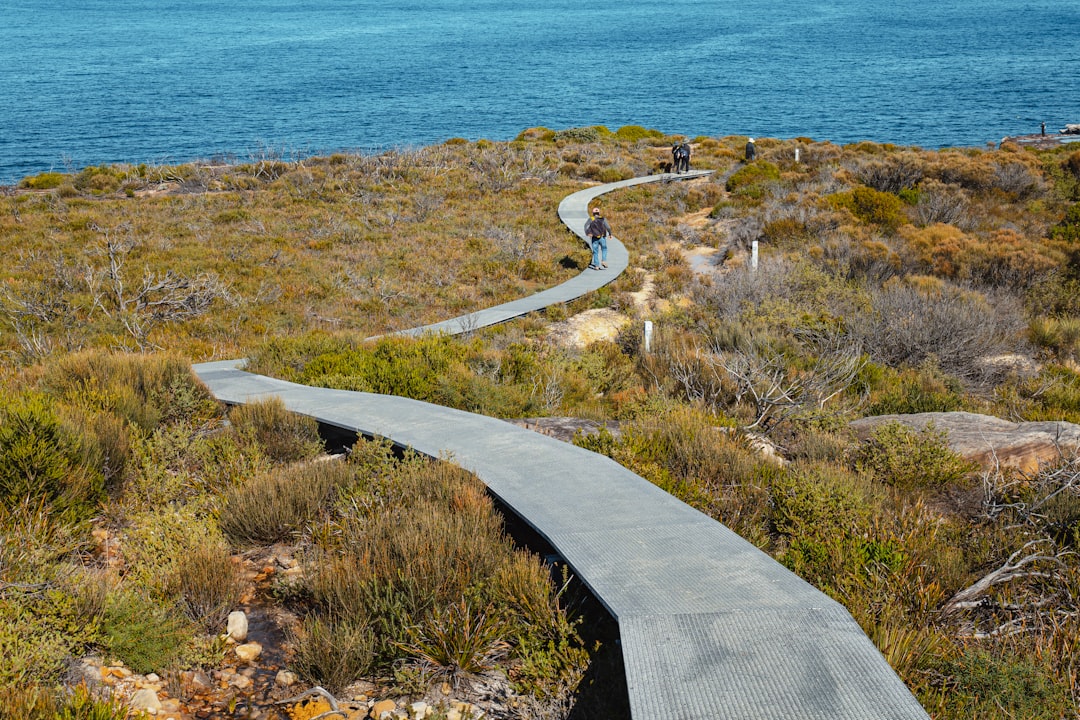
Start south. The Royal National Park—affectionately known as “the Nasho” to locals—sits barely an hour from Sydney’s CBD, yet it feels like another country. The Coast Track (26km one way) is the showpiece, but here’s the thing: you don’t need to do it all. A there-and-back from Bundeena to Wedding Cake Rock gives you the cliff-edge thrills and whale-watching potential without the logistics of a car shuffle.
Days 3-4: Budderoo and the Quiet Corners
Push further south towards Kangaroo Valley, but don’t blow past the Budderoo National Park on the way. The Minnamurra Rainforest Centre gets busy, yes—but the less-trodden tracks around Barren Grounds Nature Reserve offer heathland walking and wildflower displays that most Sydney-siders don’t even know exist. In spring, the waratahs and gymea lilies put on a show that rivals any botanical garden.
Local Insight: A Kangaroo Valley local once told me about a swimming hole on the Kangaroo River that doesn’t appear on any map. Her directions involved “the third cattle grid after the church” and “the big gum with the fork in it.” I found it. The water was tea-coloured, freezing, and absolutely magic. This is what road trips Australia are actually about—not the destinations in the brochures, but the ones you stumble into through conversation.
Days 5-7: The Blue Mountains (Properly)
Everyone does Echo Point. Everyone photographs the Three Sisters from the viewing platform and calls it done. But a 7-day road trip from Sydney deserves better. Base yourself in Blackheath rather than Katoomba—the trails are quieter, the cafes are better, and the sunrises hit different.
The Grand Canyon Track (6km loop) is the Blue Mountains at its finest—sandstone walls, fern-filled gullies, and the kind of silence that makes you forget Sydney exists. Follow it up with the Prince Henry Cliff Walk for valley views without the tourist-bus crowds. Your legs will complain on the climbs out, but your memory will thank you later.
The 10-Day Road Trip Australia Loop That Earns Its Bragging Rights
Ready to go further? A 10-day road trip Australia circuit from Sydney to Melbourne via the Alpine Way delivers more variety than most people experience in a year of weekends. This is where road trips Australia graduate from “nice holiday” to “core memory territory.”
The Alpine Factor: Mount Kosciuszko and Beyond
In summer, the Snowy Mountains transform into a hiker’s paradise. The Mount Kosciuszko Summit Walk (13km return from Thredbo) is accessible enough for anyone with reasonable fitness, yet it delivers genuine alpine drama—glacial lakes, snowgrass plains, and the quiet satisfaction of standing on Australia’s highest point. The chairlift from Thredbo saves you 600 vertical metres of climbing, which means more energy for the views at the top.
Wilson’s Promontory: The Detour That’s Worth It
Before or after your Alpine adventure, Wilson’s Promontory demands at least two days. The Sealers Cove walk (19km return) is the kind of trail that ruins you for ordinary beaches—isolated coves, wallabies on the sand, and water so clear you can see fish from the track above. Book the Tidal River campground well ahead; this isn’t a drive-up-and-hope situation.
Seasonal Reality Check
What works in January will break your heart—or your radiator—in July. The Alpine Way closes after snowfalls, and even the main highways through the mountains can chain up. Conversely, summer in the Prom means competing with every family in Victoria for a patch of grass. Shoulder seasons (March-May, September-November) are the sweet spot: stable weather, thinner crowds, and colours that hit differently.
The Gear You Actually Need vs. What They Sell You
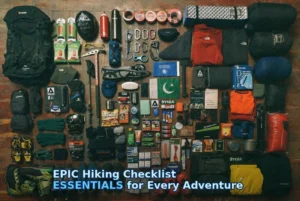
Outdoor shops have a talent for convincing you that a 10-day road trip Australia adventure requires a small mortgage in equipment. Here’s what actually matters for Australian conditions:
- Footwear: Boots are overkill for most coastal and rainforest tracks. A decent pair of trail runners with good grip will handle 90% of what this route throws at you—and they dry faster when you step in that unexpected creek.
- Sun protection: Not negotiable. The Australian sun doesn’t forgive, and neither does skin cancer. A broad-brimmed hat, UPF-rated shirt, and sunglasses that actually block peripheral light are worth more than any fancy gadget.
- Hydration: I once carried a “hydration system” for 40km through the Budawangs and cursed every step. The bladder leaked, the tube was fiddly, and refilling it required unpacking half my bag. Give me two 1-litre Nalgene bottles any day—simple, durable, and you can see how much you have left.
- The unexpected essential: A cheap picnic blanket. Not a technical groundsheet, just a $10 woven mat from a market stall. Changed how I experience trail lunches entirely—suddenly every granite outcrop becomes a café with a million-dollar view.
The Conversations That Shape Your Route
The best road trips Australia aren’t planned entirely on Google Maps. They’re shaped by the people you meet along the way—the locals who know things no website will tell you.
In Jindabyne, a caravan park owner once rerouted my entire week with a single tip about wild brumbies in the High Plains. “Head up the Dead Horse Gap Track around dawn,” she said. “They come down to the river to drink. Don’t tell anyone I told you.” I saw fourteen horses that morning, moving through the mist like something from a dream.
How to Ask (and What Locals Are Tired of Hearing)
Lobbing “what’s good around here?” at a café worker during the morning rush won’t get you far. Be specific, be respectful of their time, and show you’ve done some homework. Try instead:
- “I’ve got a free morning and don’t mind a drive. Is there a walk that’s worth it that isn’t in the guidebooks?”
- “I’ve read about [popular trail], but is there something quieter with similar views?”
- “Where would you send your mates for a swim that tourists don’t know about?”
And here’s what locals are tired of: asking for the “best” beach/walk/café without any context of what you actually like. The “best” lookout for a photographer is different from the “best” lookout for a family with a pram. Give them something to work with.
When the Best Hike Is the One You Skip
Not every trail belongs on every road trips Australia itinerary. Some require permits that book out months ahead (looking at you, Overland Track). Some demand fitness levels or gear you don’t have. Some are legitimately dangerous if you’re not prepared—Tasmania’s remote tracks, the Kimberley’s heat, the Budawangs’ navigation challenges.
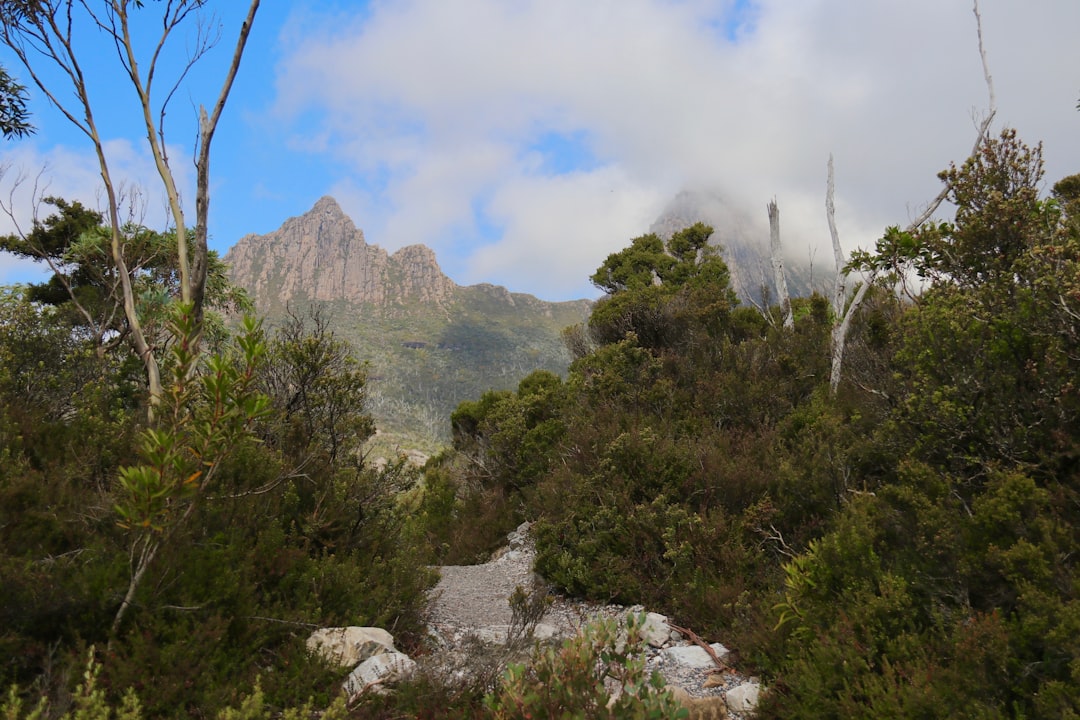
Here’s the reframe: shorter alternatives often deliver 80% of the experience with 20% of the commitment. Can’t commit to the full Coast Track? Do Wedding Cake Rock and Little Marley Beach in separate outings. Dream of the Overland Track but don’t have six days? Cradle Mountain’s Dove Lake Circuit still gives you that alpine drama without the logistics.
The Budawang Mistake (A Personal Story)
In my twenties, I attempted the Castle Track in the Budawang Range wildly underprepared—wrong shoes, not enough water, no map beyond a screenshot on a dying phone. I turned back halfway, humiliated and shaken. But here’s the thing: that “failed” hike still delivered one of my most cherished Australian memories. I watched dawn break over kangaroos grazing in the valley below, completely alone, the eucalyptus smoke rising in the early light. I learned that day that the mountain doesn’t care about your ego—but it also doesn’t withhold its beauty just because you didn’t reach the summit.
The Open Invitation
The road will always be there. The track changes with every season, every fire, every flood—the one you hike this year might look entirely different in five. So here’s the real question: which route have you been saving for “someday,” and what would happen if someday was this winter? A 7-day road trip from Sydney or a 10-day road trip Australia circuit doesn’t require perfect conditions or elite fitness. It just requires deciding that the time is now. The dust on your boots will wash off. The memories won’t.
Frequently Asked Questions
What are the key hiking destinations on a 7-day road trip from Sydney?
A well-planned 7-day road trip from Sydney can include coastal drama, ancient rainforest, and mountain scenery. Key destinations include Royal National Park (the Coast Track from Bundeena to Wedding Cake Rock), Budderoo National Park and Barren Grounds Nature Reserve near Kangaroo Valley for wildflowers, and the Blue Mountains. In the Blue Mountains, base yourself in Blackheath rather than Katoomba for quieter trails—the 6km Grand Canyon Track loop and Prince Henry Cliff Walk are highlights that deliver sandstone walls and valley views without the tourist-bus crowds found at Echo Point.
How should I plan a 10-day road trip from Sydney to Melbourne via the Alpine Way?
A 10-day road trip Australia loop from Sydney to Melbourne via the Alpine Way delivers exceptional variety. Key stops include the Snowy Mountains for the Mount Kosciuszko Summit Walk (13km return from Thredbo, with a chairlift saving 600 vertical metres), and Wilson’s Promontory for at least two days—the Sealers Cove walk (19km return) offers isolated coves and crystal-clear water. Book Tidal River campground well in advance. Be aware that the Alpine Way closes after snowfalls in winter, and always check Bureau of Meteorology forecasts as alpine weather can change rapidly with temperature drops of 15 degrees in under an hour.
When is the best time of year for hiking on an Australian road trip?
Shoulder seasons (March-May and September-November) are the ideal time for road trips Australia that involve hiking. These periods offer stable weather, thinner crowds, and beautiful natural colours. Summer (January) in popular spots like Wilson’s Promontory means competing with crowds for camping spots, while winter (July) can see the Alpine Way close after snowfalls, with chain requirements on mountain highways. Even in February, alpine areas can experience sudden thunderstorms and dramatic temperature drops, so packing layers and checking forecasts religiously is essential year-round.
What hiking gear do I actually need for an Australian road trip?
Skip the expensive boots—trail runners with good grip handle 90% of Australian coastal and rainforest tracks and dry faster. Sun protection is non-negotiable: invest in a broad-brimmed hat, UPF-rated shirt, and quality sunglasses. For hydration, two 1-litre Nalgene bottles are more reliable than hydration bladders, which can leak and are fiddly to refill. A cheap $10 woven picnic blanket from a market stall is an unexpected essential that transforms granite outcrops into lunch spots with million-dollar views. Australia has over 800 national parks, so simple, durable gear serves you better than technical equipment.



Be the First to Comment
Sign in to start the conversation.