

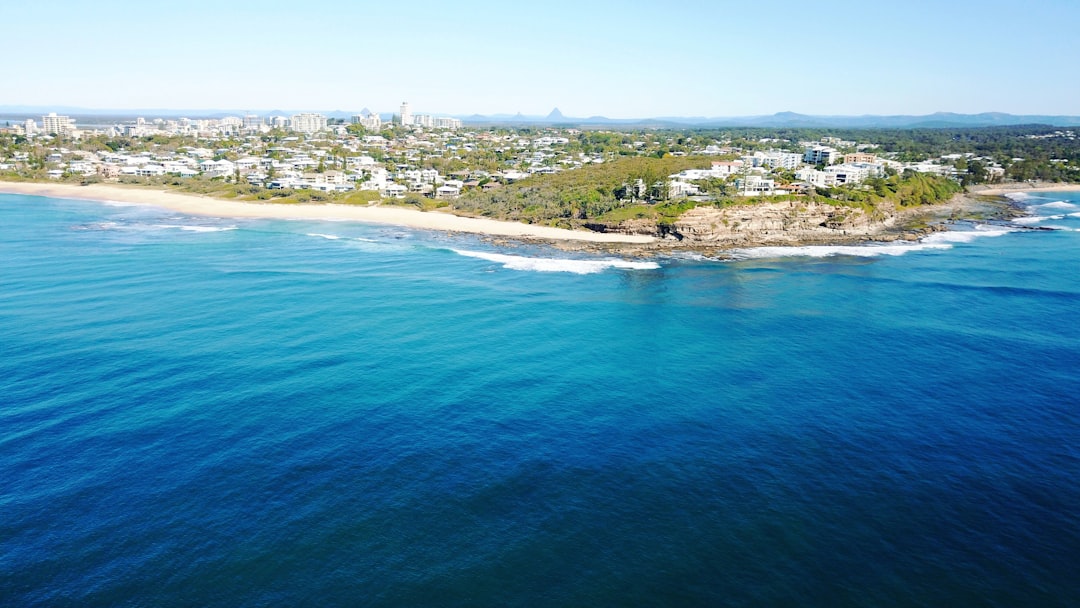

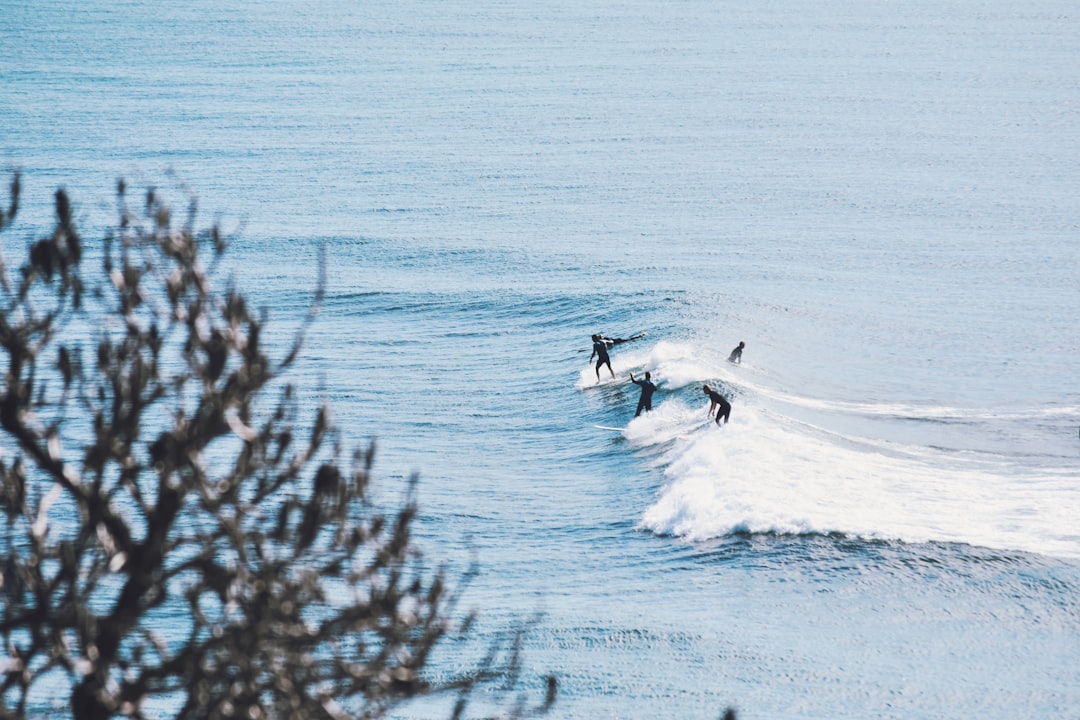
Did you know that Sunshine Coast’s 60 kilometers of coastline contains 17 different surf breaks, each with its own personality? Yet most visitors only ever see two of them. This hidden surfing paradise offers everything from gentle beginner waves to challenging reef breaks, all within easy reach of one of Australia’s most beautiful coastal regions. While Noosa Heads often steals the spotlight with its iconic right-hand point break, the Sunshine Coast surfing scene extends far beyond this famous destination.
The Secret Rhythm of Sunshine Coast Waves
The Sunshine Coast surfing experience is as diverse as its landscape. From the sheltered waters of Noosa to the powerful swells of Sunshine Beach and the hidden gems further north, each break has its own character that changes with the seasons and tides.
Noosa Heads: The Iconic Point Break
Noosa’s Main Beach and its famous right-hand point break are the Sunshine Coast’s most recognized surfing destinations. The point offers long, rolling waves perfect for longboarding and stylish maneuvers. What many visitors don’t realize is that Noosa works best in specific conditions:
- South to southeast swells create the most consistent waves
- Early morning sessions before the northerly wind picks up
- Mid to high tide provides cleaner, more manageable waves
“The beauty of Noosa is that it’s one of the few places where you can surf all year round. The winter months bring more consistent swell, while summer offers smaller, more playful waves perfect for progression.” – Local surf coach, Mark Thompson
Sunshine Beach: The Power Break
Just south of Noosa Heads lies Sunshine Beach, a more exposed break that handles bigger swells. This beach break offers powerful, hollow waves that attract experienced surfers, particularly during winter when southern swells hit the coast.
Hidden Gems: The Local’s Secret Spots
Beyond the Board: Local Surf Culture
The Sunshine Coast surfing culture is deeply woven into the fabric of local life. It’s not just about catching waves but about community, respect for the ocean, and a laid-back lifestyle that defines this region.
Surf Etiquette and Respect
Local Surf Shops and Hangouts
The region is home to numerous surf shops that serve as community hubs:
- Boardrider’s Noosa – Offering local knowledge and high-quality gear
- Endless Summer – Known for its friendly staff and repair services
- Noosa Boardriders Club – The heart of local surf competitions and community events
Sunshine Coast’s surf culture is unique in that it maintains a balance between tourism and local identity. You’ll find everyone from retirees who’ve been surfing since the 60s to young groms learning their first turns all sharing the same lineup with mutual respect.
Family-Friendly Surfing
Timing Your Perfect Session
Understanding the seasonal patterns and weather conditions is crucial for maximizing your Sunshine Coast surfing experience.
Seasonal Surf Patterns
The Sunshine Coast offers year-round surfing, with different conditions throughout the year:
- Winter (June-August): More consistent southern swells, water temperatures around 20°C, offshore winds
- Spring (September-November): Increasing swell size, warmer water, excellent conditions
- Summer (December-February): Smaller, cleaner waves, warmer water (24°C), possible northerly winds
- Autumn (March-May): Good mix of swell size and conditions, water temperatures gradually cooling
Daily Timing Considerations
- Noosa generally works best in the early morning before the northerly wind picks up
- Sunshine Beach often improves later in the day as the wind shifts offshore
- North-facing breaks like Coolum perform better on higher tides
- South-facing spots like Alexandra Headland prefer lower tides
Weather and Swell Forecasting
For accurate swell and wind predictions, locals recommend checking Surfline and Swellnet, as well as the official Bureau of Meteorology forecasts. The Sunshine Coast’s position means it can receive swell from multiple directions, making conditions more complex than many other Australian surfing destinations.
From Sand to Shore: Practical Guide
Preparing for your Sunshine Coast surfing adventure requires some practical considerations to ensure a smooth experience.
Equipment and Rentals
Whether you’re a beginner or an experienced surfer, the Sunshine Coast offers numerous options for equipment:
- Surboard Rentals: Most major beaches have rental outlets with boards suitable for all levels
- Wetsuits: Winter surfing requires a fullsuit (3/2mm thickness), while summer may only require a spring suit or even boardshorts
- Surf Schools: Numerous accredited schools offer lessons for all ages and skill levels
Access and Parking
Accommodation Options
The Sunshine Coast offers a range of accommodation options for surfers:
- Noosa Heads: Luxury apartments and resorts walking distance to the point
- Sunshine Beach: More affordable options closer to powerful breaks
- Coolum: Budget-friendly options with easy access to uncrowded breaks
Post-Surf Refreshments
After a session, refuel at local favorites like:
- Noosa Surf Club – Great food with ocean views
- Harry’s On Noosa – Iconic beachside dining
- The Ginger Factory – Unique ice cream and refreshments
Key Takeaways
- The Sunshine Coast offers diverse surfing experiences beyond the famous Noosa point break
- Local knowledge and respect for surf etiquette enhance the experience
- Seasonal timing significantly affects wave quality and conditions
- Family-friendly options make the region accessible for surfers of all levels
- Early arrival and planning help avoid parking and crowd issues
The Sunshine Coast surfing experience is more than just catching waves—it’s about understanding the rhythm of the ocean, connecting with a vibrant local community, and discovering your own perfect spot among the many possibilities. Whether you’re a seasoned pro or taking your first lesson, this coastal paradise offers an authentic Australian surfing adventure that will create memories to last a lifetime.
Frequently Asked Questions
How many surf breaks are there on the Sunshine Coast and what are the main characteristics of Noosa Heads?
The Sunshine Coast has 17 different surf breaks across its 60 kilometers of coastline. Noosa Heads features the iconic right-hand point break that offers long, rolling waves perfect for longboarding and stylish maneuvers. It works best with south to southeast swells, during early morning sessions before northerly winds pick up, and at mid to high tide for cleaner, more manageable waves.
What are the best surf shops to visit for local knowledge and equipment on the Sunshine Coast?
The Sunshine Coast has several surf shops that serve as community hubs. Boardrider’s Noosa offers local knowledge and high-quality gear, while Endless Summer is known for its friendly staff and repair services. Noosa Boardriders Club is the heart of local surf competitions and community events. These shops can also provide insider tips on lesser-known spots like Marcus Beach or Castaways Beach.
How does the surf season affect conditions on the Sunshine Coast throughout the year?
The Sunshine Coast offers year-round surfing with varying conditions. Winter (June-August) brings more consistent southern swells with water temperatures around 20°C and offshore winds. Spring (September-November) has increasing swell size and warmer water. Summer (December-February) features smaller, cleaner waves with warmer water (24°C) but possible northerly winds. Autumn (March-May) offers a good mix of swell size and gradually cooling water temperatures.
What practical considerations should surfers keep in mind when visiting the Sunshine Coast?
Parking can be challenging at popular spots during peak season, so arrive early to secure a spot. Consider using local surf shuttle services that operate between major breaks during summer. For equipment, winter requires a fullsuit (3/2mm thickness), while summer may only need a spring suit or boardshorts. The region offers various accommodation options from luxury resorts in Noosa Heads to budget-friendly places in Coolum, all with easy access to surf breaks.


Be the First to Comment
Sign in to start the conversation.