


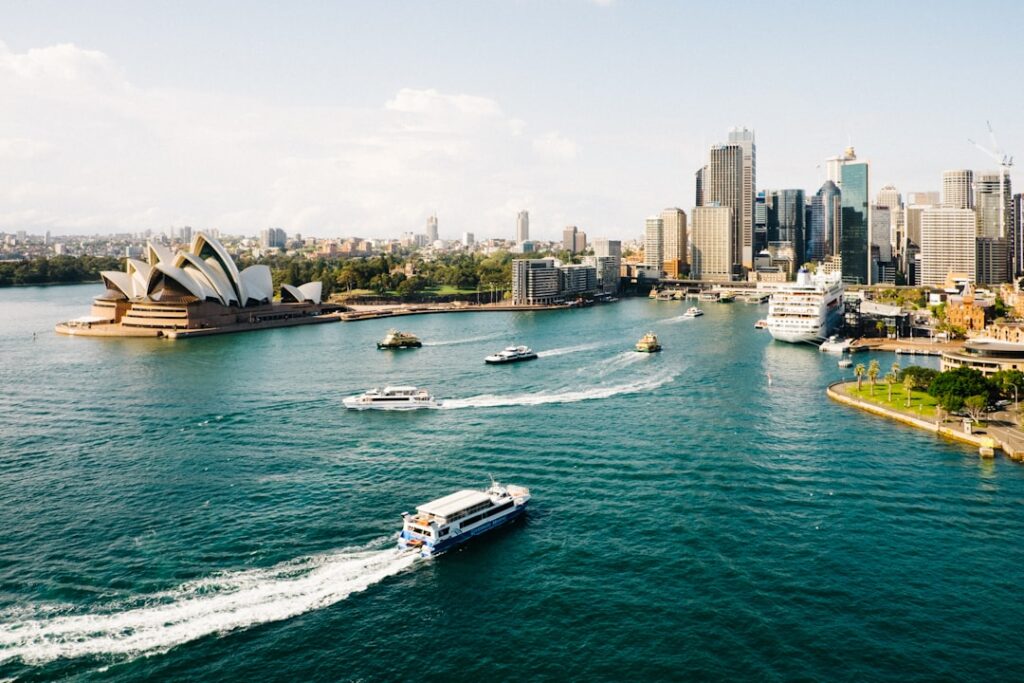

Australia’s diverse waterways offer some of the world’s most spectacular kayaking experiences, from the pristine coastal waters of Queensland to the tranquil rivers of Tasmania. As an increasingly popular outdoor activity for families and adventure seekers alike, kayaking provides an exceptional way to connect with nature while enjoying a full-body workout. The Sunshine Coast, particularly the stunning Noosa region, stands out as a premier destination where protected waterways meet diverse marine ecosystems. This comprehensive guide will navigate you through everything you need to know about kayaking in Australia, with special focus on Noosa’s magnificent waterways, ensuring you’re well-equipped whether you’re a beginner paddler or an experienced expeditioner seeking your next adventure.
Understanding Kayaking in Australia
Kayaking has evolved from an ancient mode of transportation to one of Australia’s favourite recreational activities. The country’s vast coastline stretching over 25,000 kilometres, coupled with countless rivers, lakes, and estuaries, creates endless opportunities for paddlers of all skill levels. Whether you’re gliding through the calm waters of Noosa’s Everglades or tackling the challenging surf breaks along the Great Ocean Road, Australia offers something for every type of kayaker.
Types of Kayaking Available
Australian kayaking can be broadly categorised into several distinct styles, each offering unique experiences and requiring different skill sets:
- Sea Kayaking: Perfect for exploring coastal areas, sea kayaking allows you to discover hidden beaches, marine life, and dramatic cliffs. Noosa’s protected coastline offers ideal conditions for sea kayaking beginners.
- Recreational Kayaking: The most accessible form, recreational kayaking takes place on calm waters like lakes, slow-moving rivers, and sheltered bays. It’s perfect for families and those new to the sport.
- Whitewater Kayaking: For the adrenaline seekers, Australia’s mountain rivers provide thrilling rapids and challenging conditions, particularly in Victoria and New South Wales.
- Touring Kayaking: Multi-day expeditions along coastlines or river systems, requiring planning and endurance but offering immersive wilderness experiences.
- Sit-on-top Kayaking: Increasingly popular for beginners and families, these stable, user-friendly kayaks are perfect for warm Australian waters and easy entry/exit.
Seasonal Considerations
Australia’s vast size means kayaking conditions vary dramatically by region and season. Understanding these patterns is crucial for planning safe and enjoyable paddling adventures:
- Summer (December-February): Ideal for northern regions like Queensland and the Northern Territory, with warm waters and generally calm conditions. However, be aware of stinger season in tropical waters and increased boat traffic in popular areas.
- Autumn (March-May): Perhaps the best season for kayaking across most of Australia, with pleasant temperatures, lighter winds, and fewer crowds.
- Winter (June-August): Excellent for northern Australia, while southern regions require proper cold-water gear. Winter often brings the most stable weather patterns for multi-day expeditions.
- Spring (September-November): Wildflower season along many rivers, though spring winds can create challenging conditions, especially in southern coastal areas.
Essential Kayaking Equipment and Gear
Having the right equipment is fundamental to a safe and enjoyable kayaking experience. While you don’t need the most expensive gear to start, investing in quality essentials will pay dividends in comfort and safety.
Choosing Your Kayak
Selecting the appropriate kayak depends on your intended use, skill level, and budget. Here’s what to consider:
- Length: Longer kayaks track better and are faster, while shorter ones are more manoeuvrable. For beginners in calm waters like Noosa’s river system, a 9-12 foot recreational kayak is ideal.
- Width: Wider kayaks offer more stability but are slower. For families with children, stability is often prioritised over speed.
- Material: Plastic (polyethylene) is durable and affordable, perfect for beginners. Fiberglass and composites are lighter and faster but more expensive and less forgiving to impacts.
- Sit-in vs. Sit-on-top: Sit-in kayaks offer protection from elements and are better for cooler waters, while sit-on-tops are virtually impossible to sink and are excellent for warm Australian climates and swimming.
Safety Equipment Checklist
Safety should always be your primary consideration. Essential safety gear includes:
- Personal Flotation Device (PFD): Australian standards require Type 1, 2, or 3 PFDs depending on your paddling environment. Always wear one, regardless of swimming ability.
- Bilge Pump: Essential for removing water from sit-in kayaks.
- Paddle Float: Aids in re-entry if you capsize in deeper water.
- Tow Rope: Useful for assisting other paddlers or being towed yourself.
- Signalling Devices: Whistle, mirror, and flares for offshore paddling.
- Navigation Tools: Map, compass, and increasingly, GPS devices or marine apps.
Clothing and Personal Items
Dressing appropriately for kayaking in Australian conditions requires layering and sun protection:
- Rash Guard or UV Protective Shirt: Essential even on cloudy days due to Australia’s harsh UV radiation.
- Quick-dry Shorts or Pants: Avoid cotton, which stays wet and cold.
- Waterproof Jacket: Lightweight rain shell for unexpected weather changes.
- Wide-brimmed Hat: With chin strap to prevent loss in wind.
- Sunglasses with Strap: Polarised lenses reduce glare and help see underwater obstacles.
- Sunscreen: Water-resistant, high SPF formula reapplied regularly.
- Dry Bag: For protecting valuables like phones, cameras, and extra clothing.
Noosa: A Premier Kayaking Destination
Noosa, situated on Queensland’s Sunshine Coast, offers some of Australia’s most diverse and accessible kayaking experiences. The region’s unique geography creates a perfect paddling environment where the Noosa River meets the Pacific Ocean, providing both protected waterways and coastal adventures. The area’s year-round warm climate, combined with its stunning natural beauty and abundant wildlife, makes it an ideal destination for kayakers of all abilities.
Top Kayaking Spots in Noosa
Noosa’s waterways cater to every preference, from serene river paddles to exciting ocean adventures:
Noosa River
The Noosa River system is perfect for beginners and families, offering calm, protected waters stretching from Lake Cootharaba to the river mouth at Noosa Heads. Key highlights include:
- Noosaville to Tewantin: A gentle 5km paddle perfect for morning outings, with easy access to cafes and rest stops.
- Lake Cootharaba: Australia’s largest natural lake, ideal for longer paddles and camping adventures at Boreen Point.
- Noosa River Mouth: Experience the meeting of river and ocean, though be aware of changing currents and boat traffic.
Noosa Everglades
Often called one of Australia’s two everglades systems, this pristine wilderness area offers world-class paddling through ancient paperbark forests and tea tree-stained waters. The Everglades are best experienced via multi-day trips or guided tours, with popular routes including:
- Harry’s Hut Route: A classic 40km round trip through the upper reaches of the Noosa River system.
- Cootharaba to Fig Tree Point: A day trip showcasing the Everglades’ unique ecosystem and abundant birdlife.
Coastal Kayaking
For more experienced paddlers, Noosa’s coastal waters offer spectacular scenery and marine encounters:
- Noosa National Park Coastline: Paddle past dramatic cliffs, hidden coves, and possibly spot dolphins or turtles.
- Teewah Beach: The Great Sandy National Park’s beach provides expansive paddling opportunities, though be mindful of tides and beach driving regulations.
Wildlife Encounters
Kayaking in Noosa offers incredible opportunities to observe Australian wildlife in their natural habitat:
- Dolphins: Bottlenose dolphins are commonly seen in the lower Noosa River and coastal waters.
- Turtles: Green and loggerhead turtles frequent the river mouth and coastal areas, especially during summer months.
- Koalas: Spot koalas in the eucalyptus trees along the riverbanks, particularly in the upper reaches.
- Birdlife: Over 300 bird species inhabit the Noosa River system, including sea eagles, kingfishers, and various waterbirds.
- Fish: Bream, flathead, and mangrove jack are common in the river, making Noosa popular for kayak fishing.
Kayaking Techniques and Skills
Mastering fundamental kayaking techniques enhances your safety, efficiency, and enjoyment on the water. Whether you’re a complete beginner or looking to refine your skills, proper technique is essential.
Basic Paddling Strokes
Understanding and practicing these core strokes will dramatically improve your paddling ability:
- Forward Stroke: The most frequently used stroke. Rotate your torso rather than just using your arms, planting the blade fully in the water and pulling back alongside the kayak.
- Reverse Stroke: Used for stopping or backing up. Essentially the forward stroke in reverse, pushing water forward.
- Sweep Stroke: For turning. A wide, arcing stroke away from the kayak’s hull, with the blade entering near your feet and sweeping towards the stern.
- Draw Stroke: For moving sideways. Plant the blade perpendicular to the kayak and pull directly towards yourself.
- Bracing Strokes: Low and high braces prevent capsizing by using the paddle as a support against the water.
Self-Rescue Techniques
Knowing how to recover from a capsize is crucial, especially for open water paddling:
- Wet Exit: Practice exiting your sit-in kayak while upside down in calm water. Remove spray skirt if applicable, push forward on the cockpit rim, and slide out.
- Paddle Float Re-entry: For sit-in kayaks, attach your paddle float to one paddle blade, creating an outrigger to stabilise the kayak while you re-enter.
- Scramble Re-entry: For sit-on-top kayaks, simply swim to the side, kick vigorously while pulling yourself back aboard.
- Assisted Re-entry: When paddling with others, learn the T-rescue and X-rescue techniques for helping each other.
Navigation and Weather Reading
Understanding water conditions and navigation basics is essential for safe kayaking:
- Tide Tables: In coastal areas like Noosa, tides significantly affect current strength and water depth. Plan trips around favourable tides.
- Wind Awareness: Wind is the kayaker’s greatest challenge. Learn to read wind indicators on water and plan routes accordingly.
- Current Recognition: In rivers and tidal areas, identify eddies, current lines, and other water features to use them to your advantage.
- Basic Navigation: Learn to use landmarks, compass bearings, and increasingly, GPS devices or smartphone apps for route planning and position fixing.
Planning Your Kayaking Adventure
Proper planning transforms a good kayaking trip into an unforgettable one. From short day trips to multi-day expeditions, thoughtful preparation ensures safety and maximises enjoyment.
Trip Planning Essentials
Before launching your kayak, consider these planning elements:
- Route Selection: Choose routes appropriate to your skill level, fitness, and available time. Research launch points, landing sites, and potential hazards.
- Weather Forecast: Check multiple sources for wind, rain, and temperature predictions. In Australia, Bureau of Meteorology marine forecasts are essential.
- Times and Tides: For coastal paddling, plan around tide times. In rivers, consider water levels and flow rates, especially after rainfall.
- Communications Plan: Inform someone of your plans, including route, expected return time, and emergency contacts. Carry appropriate communication devices.
- Contingency Plans: Have alternative routes or exit strategies if conditions change unexpectedly.
Environmental Considerations
Responsible kayaking helps preserve Australia’s precious waterways for future generations:
- Leave No Trace: Pack out all rubbish, including food scraps. Use established landing sites where possible.
- Wildlife Respect: Maintain distance from wildlife, never feed animals, and avoid nesting areas, especially during breeding seasons.
- Cultural Awareness: Many Australian waterways have significant indigenous cultural values. Research and respect these sites.
- Invasive Species Prevention: Clean your kayak and equipment between different waterways to prevent the spread of invasive plants and animals.
Kayaking with Kids and Families
Kayaking is an excellent family activity, creating lasting memories while connecting children with nature:
- Age Appropriateness: Children as young as 3-4 can sit in double kayaks with adults. By 7-8, many can handle their own small kayak in calm conditions.
- Duration Planning: Keep trips short and engaging for children. Plan frequent stops for swimming, snacks, and exploration.
- Safety Focus: Ensure children understand basic safety rules and always wear properly fitted PFDs.
- Education Opportunities: Use the experience to teach about local ecosystems, navigation, and environmental stewardship.
- Equipment Considerations: Consider tandem kayaks for younger children or sit-on-tops for older kids who want independence.
Advanced Kayaking Opportunities
For experienced paddlers seeking greater challenges, Australia offers numerous advanced kayaking opportunities that test skills while providing extraordinary rewards.
Multi-Day Expeditions
Australia’s extensive coastline and river systems support world-class multi-day kayaking trips:
- Roebuck Bay, Western Australia: Paddle through pristine mangrove systems and spot abundant marine life in this remote Kimberley region.
- Whitsunday Islands, Queensland: Explore the Great Barrier Reef Marine Park’s 74 islands, with camping permits available for several islands.
- Murray River, Multiple States: Australia’s longest river offers sections suitable for multi-day trips, from gentle family paddles to challenging remote stretches.
- Tasmania’s Southwest Wilderness: For the truly adventurous, expedition paddling in Tasmania’s World Heritage Area provides unmatched solitude and pristine wilderness.
Specialised Kayaking Disciplines
As skills develop, many kayakers explore specialised disciplines:
- Kayak Fishing: Australia’s world-class fishing grounds are increasingly accessed by kayak, with species from bream in estuaries to marlin offshore.
- Kayak Surfing: For those seeking adrenaline, specialized surf kayaks allow riding waves along Australia’s famous breaks.
- Kayak Diving: Combining paddling with diving or snorkeling opens up remote dive sites inaccessible to larger boats.
- Kayak Sailing: Adding sails to kayaks enables longer passages and exploration of exposed coastal waters.
Training and Certification
Formal training accelerates skill development and opens up more challenging environments:
- Australian Canoeing Awards: The national body offers comprehensive skill awards from Basic Skills to Sea Instructor levels.
- Rescue Courses: Specialized training in rough water rescues, first aid, and navigation is essential for advanced paddling.
- Guide Qualifications: For those interested in professional guiding, Australian Canoeing offers pathways to become a certified sea kayak guide.
Conclusion
Kayaking in Australia offers an unparalleled way to experience the country’s diverse waterways, from the tranquil beauty of Noosa’s river systems to the rugged excitement of coastal expeditions. As we’ve explored throughout this guide, proper preparation, appropriate equipment, and skill development are key to safe and enjoyable paddling experiences. Whether you’re introducing your family to outdoor activities through gentle river paddles or seeking the thrill of advanced sea kayaking adventures, Australia’s waters provide endless opportunities for exploration and connection with nature.
The sport’s accessibility makes it one of the perfect outdoor activities for beginners, while its depth and variety ensure
Frequently Asked Questions
What types of kayaking experiences are available in Australia?
Australia offers diverse kayaking styles including sea kayaking along protected coastlines like Noosa, recreational kayaking on calm lakes and rivers, whitewater kayaking on mountain rivers in Victoria and NSW, multi-day touring expeditions, and sit-on-top kayaking which is popular for beginners and families in warm Australian waters.
How should I choose a kayak as a beginner in Australia?
Beginners should consider a 9-12 foot recreational kayak for calm waters like Noosa’s river system. Prioritise wider kayaks for stability, choose durable plastic (polyethylene) material for affordability and impact resistance, and consider sit-on-top models which are virtually impossible to sink and ideal for Australia’s warm climate and swimming opportunities.
When is the best time to go kayaking in Australia?
Autumn (March-May) is generally the best season across most of Australia, offering pleasant temperatures, lighter winds, and fewer crowds. Summer is ideal for northern regions like Queensland but be aware of stinger season in tropical waters. Winter is excellent for northern Australia while southern regions require cold-water gear.
What essential safety equipment is required for kayaking in Australia?
Australian standards require a Personal Flotation Device (PFD) – Type 1, 2, or 3 depending on your paddling environment. Additional essential safety gear includes a bilge pump for sit-in kayaks, paddle float for re-entry, tow rope, signalling devices (whistle, mirror, flares for offshore), and navigation tools like maps, compass, or GPS devices.
What makes Noosa a premier kayaking destination in Australia?
Noosa on Queensland’s Sunshine Coast offers diverse paddling experiences from the calm Noosa River system (including the 5km Noosaville to Tewantin paddle) to the pristine Noosa Everglades with routes like the 40km Harry’s Hut round trip. The region features year-round warm climate, abundant wildlife including dolphins and turtles, and protected coastal waters perfect for sea kayaking beginners.

Be the First to Comment
Sign in to start the conversation.