
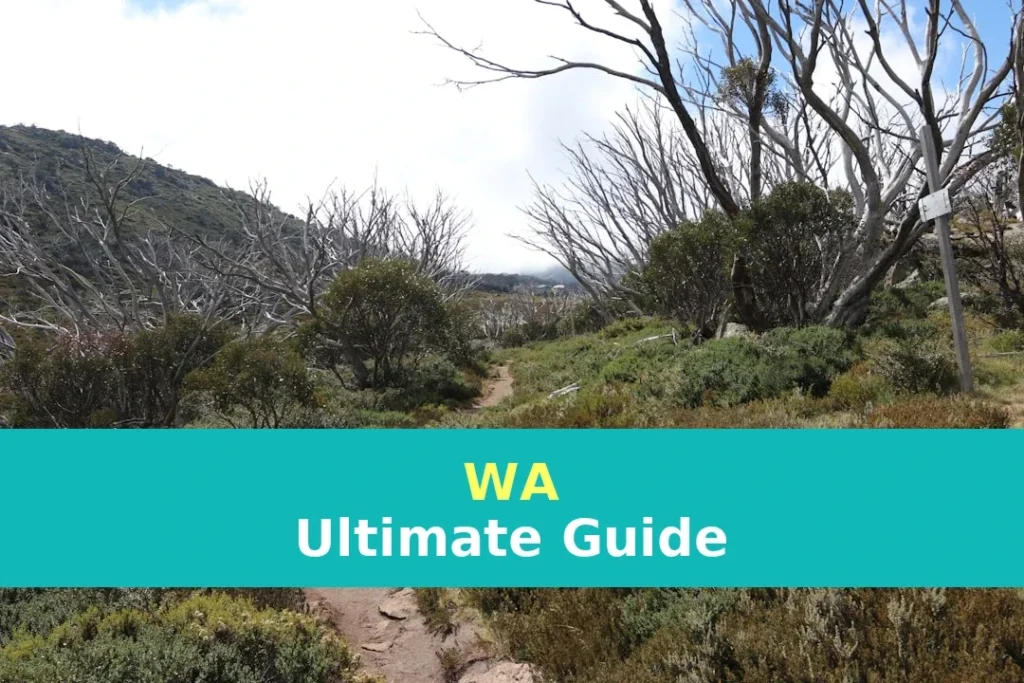
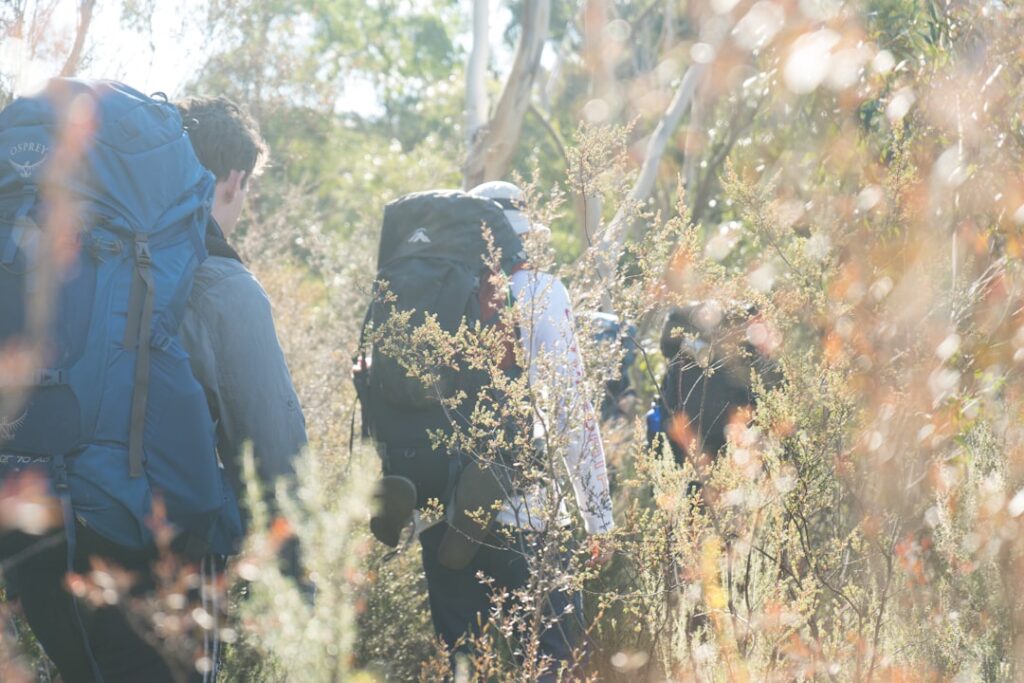
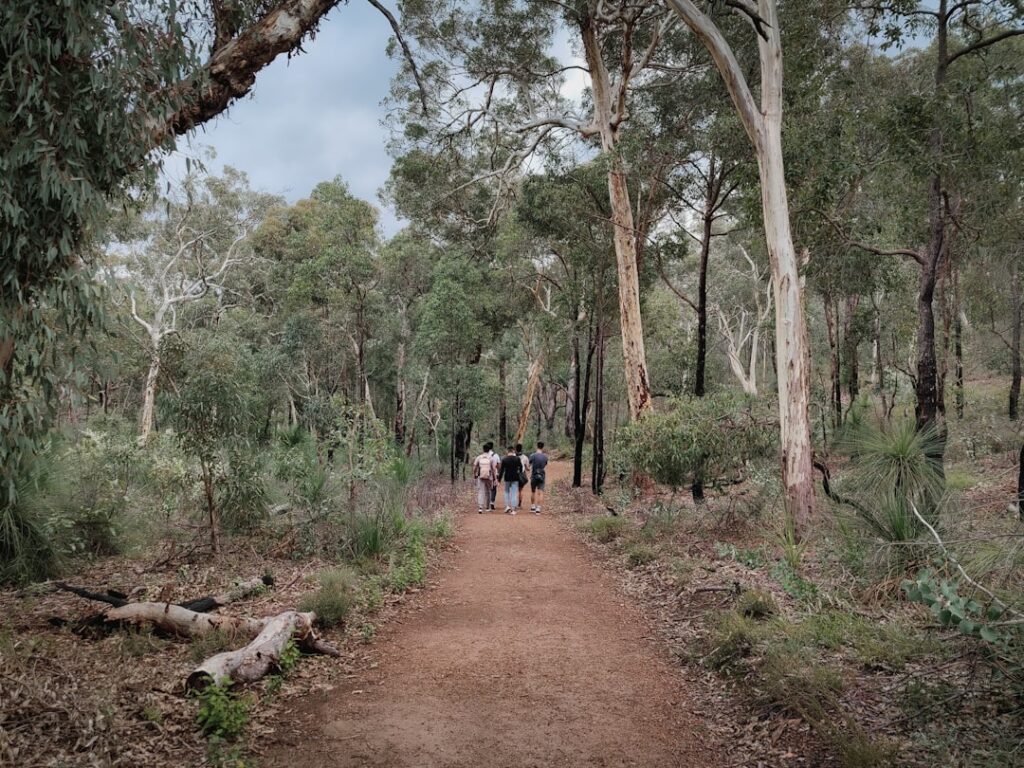
Australia’s diverse landscapes offer some of the world’s most spectacular bushwalking opportunities, with the Snowy Mountains standing out as a premier destination for outdoor enthusiasts. This majestic alpine region, home to Mount Kosciuszko – Australia’s highest peak at 2,228 metres – presents a unique blend of rugged mountain terrain, pristine alpine meadows, and ancient snow gum forests that transform dramatically with the seasons. Whether you’re a seasoned trekker seeking challenging multi-day adventures or a family looking for gentle nature walks, the Snowy Mountains provide an unparalleled backdrop for exploring Australia’s wilderness. This comprehensive guide will equip you with essential knowledge about the region’s best trails, necessary camping gear, and expert techniques to ensure your bushwalking experience is both safe and memorable.
Understanding the Snowy Mountains: A Bushwalking Paradise
The Snowy Mountains, or “The Snowies” as locals affectionately call them, form the highest section of the Great Dividing Range and offer a bushwalking experience unlike anywhere else in Australia. Spanning across New South Wales and extending into Victoria, this alpine wonderland encompasses Kosciuszko National Park – a protected area covering nearly 6,900 square kilometres of diverse ecosystems. The region’s unique geography creates distinct microclimates, from the sun-drenched valleys to the windswept peaks, making it essential for walkers to understand the environment before venturing out.
Seasonal Variations and Their Impact
The character of bushwalking in the Snowy Mountains changes dramatically throughout the year, each season offering its own unique attractions and challenges:
- Summer (December-February): The most popular season for bushwalking, with wildflower displays, mild temperatures, and accessible alpine areas. However, this is also peak season, so expect crowded tracks and book accommodation well in advance.
- Autumn (March-May): Ideal for walking with crisp, clear days, stunning autumn colours, and fewer crowds. The weather remains stable, though temperatures begin to drop, especially at higher elevations.
- Winter (June-August): The region transforms into a winter wonderland, with most alpine areas covered in snow. Bushwalking becomes more challenging and requires specialised equipment and experience, though snowshoeing opportunities abound.
- Spring (September-November): As snow melts, the mountains burst into life with blooming alpine flowers. Weather can be unpredictable with sudden temperature drops and late snowfalls possible.
Essential Environmental Considerations
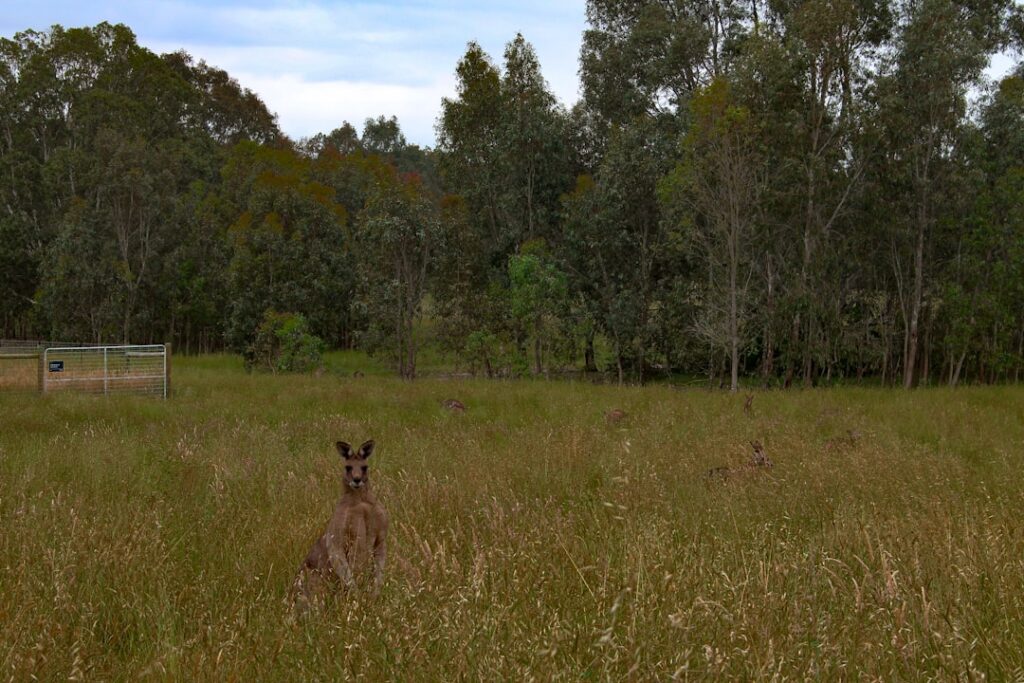
The fragile alpine environment of the Snowy Mountains requires special care from all visitors. The region contains several unique plant species, including the rare Kosciuszko buttercup and snow daisies, which can take decades to recover from damage. When walking, always stick to marked tracks to prevent soil erosion and vegetation loss. The area is also home to vulnerable wildlife such as the mountain pygmy possum and broad-toothed rat, so practice proper food storage to avoid attracting animals to your campsite. Remember that weather conditions can change rapidly – what starts as a clear, sunny day can quickly deteriorate into severe storms with sub-zero temperatures and blizzard conditions, even in summer.
Essential Camping Gear and Equipment for Snowy Mountains Adventures
Proper preparation with the right camping gear is crucial for a safe and enjoyable bushwalking experience in the Snowy Mountains. The variable alpine weather demands equipment that can handle extreme conditions, from scorching summer days to freezing winter nights. Investing in quality camping equipment from reputable Australian suppliers ensures reliability when you need it most.
Core Shelter and Sleeping Systems
Your shelter system forms the foundation of your camping setup, providing protection from the elements and a comfortable base for rest. For Snowy Mountains conditions, consider these essential components:
- Tents: Choose a four-season tent with a sturdy pole structure to withstand high winds. Look for models with excellent ventilation to manage condensation while retaining warmth. A waterproof rating of at least 3000mm is recommended for the floor and flysheet.
- Sleeping Bags: Temperature ratings are crucial – select a bag rated at least 5-10 degrees below the lowest expected temperature. Down insulation offers better warmth-to-weight ratio, while synthetic performs better in damp conditions.
- Sleeping Mats: Closed-cell foam mats provide insulation from the cold ground, while inflatable mats offer comfort. For winter camping, consider using both for maximum insulation.
Clothing and Personal Protection
Layering is the key to comfort in changing mountain conditions. Avoid cotton, which loses insulation when wet, and instead opt for synthetic or wool materials:
- Base Layer: Moisture-wicking thermals that keep skin dry
- Mid Layer: Insulating fleece or down jacket for warmth
- Outer Layer: Waterproof and windproof shell jacket and pants
- Extremities: Warm socks, waterproof boots, gloves, and beanie
- Protection: Wide-brim hat, sunglasses, and high-SPF sunscreen for UV protection at altitude
When purchasing camping accessories online, always check that items meet Australian standards and are suitable for alpine conditions. Quality gear may cost more initially, but it provides better protection and lasts longer, making it a worthwhile investment for regular Snowy Mountains visitors.
Navigation and Safety Equipment
Reliable navigation tools are non-negotiable in the often featureless alpine landscape where visibility can suddenly disappear:
- Maps: Carry detailed topographic maps of your intended route (1:25,000 or 1:50,000 scale)
- Compass: A quality sighting compass and knowledge of how to use it
- GPS Device: As backup, with spare batteries and downloaded maps
- Personal Locator Beacon (PLB): Essential for emergency communication in remote areas
- First Aid Kit: Comprehensive kit including blister treatment, thermal blanket, and any personal medications
- Headlamp: With spare batteries – essential for unexpected overnight stays
Top Bushwalking Tracks for All Skill Levels
The Snowy Mountains offer an extensive network of tracks catering to every level of fitness and experience. From gentle strolls suitable for families to challenging multi-day expeditions for seasoned adventurers, there’s something for everyone in this alpine paradise. Below are some of the region’s most celebrated walks, each offering unique perspectives of the spectacular landscape.
Beginner-Friendly Walks
These shorter, well-marked tracks are perfect for those new to bushwalking or families with children, offering stunning scenery without requiring extensive preparation:
- Mount Kosciuszko Summit Walk: Starting from Thredbo, this 13km return walk takes you to Australia’s highest point via the Kosciuszko Express chairlift (operational in summer). The track is well-maintained and gradually ascends through alpine meadows, with interpretive signage along the way. Allow 4-6 hours for the round trip.
- Charlottes Pass Lookout: An easy 2km return walk that rewards with panoramic views of the Main Range. The track is wheelchair accessible to the first viewpoint and features information about the area’s geological and cultural significance.
- Rainbow Lake Walk: A gentle 3km loop from Perisher Valley that takes you to a beautiful alpine lake surrounded by snow gums. In summer, the area bursts with wildflowers, while winter offers excellent snowshoeing opportunities.
Intermediate Challenges
For those with some bushwalking experience looking to extend their skills and endurance, these intermediate walks offer more varied terrain and greater rewards:
- Mount Townsend via Grey Mare: This 18km circuit takes you to Australia’s second-highest peak, often considered more scenic than Kosciuszko. The track involves some rock scrambling and requires navigation skills, but the 360-degree views from the summit are spectacular.
- Blue Lake Circuit: A moderate 11km walk that takes you past several glacial lakes, including the stunning Blue Lake – one of only four glacial lakes in mainland Australia. The track climbs to 1,920 metres and offers excellent opportunities for photography.
- Seaman’s Hut to Mount Kosciuszko: A more challenging approach to the summit, this 16km return walk starts from Charlotte’s Pass and follows the historic track past Seaman’s Hut, a historic mountain shelter built in 1929.
Advanced Multi-Day Expeditions
Experienced walkers seeking true wilderness immersion will find these extended routes both challenging and deeply rewarding:
- Main Range Track: The premier alpine walk in Australia, this 22km circuit over 2-3 days takes in all the major peaks of the Main Range, including Kosciuszko, Townsend, and Carruthers. The track crosses exposed alpine ridges where weather can be extreme, requiring comprehensive preparation and self-sufficiency.
- Snowy River Classic: A challenging 5-day trek following the upper reaches of the iconic Snowy River. This remote walk requires excellent navigation skills and river crossing experience, but offers pristine wilderness far from the crowds.
- Jenolan Caves to Kanangra Walls: Though technically extending beyond the Snowy Mountains proper, this 3-day walk through the Blue Mountains’ wilderness areas is often included in alpine walking challenges. The track traverses rugged escarpment country with spectacular cliff views.
Planning Your Snowy Mountains Bushwalking Adventure
Successful bushwalking in the Snowy Mountains requires meticulous planning and preparation. The region’s remoteness and unpredictable weather mean that inadequate preparation can quickly lead to dangerous situations. This section covers the essential planning steps to ensure your adventure is both safe and enjoyable.
Permits, Regulations, and Access
Before embarking on your Snowy Mountains adventure, familiarise yourself with the necessary permits and regulations:
- Park Entry Fees: All vehicles entering Kosciuszko National Park require a pass, available for daily or annual purchase. These fees contribute to park maintenance and conservation efforts.
- Camping Permits: While some campgrounds operate on a first-come, first-served basis, popular areas like Blue Lake and Rawson Pass require bookings, especially during peak summer months.
- Wilderness Areas: Some sections of the park are designated wilderness areas with special restrictions, including limitations on group size and camping locations.
- Seasonal Closures: Certain roads and tracks close during winter due to snow. Always check current conditions with the National Parks and Wildlife Service (NPWS) before departure.
Weather Monitoring and Decision Making
Mountain weather in the Snowy Mountains can change dramatically within hours, making weather monitoring a critical skill:
- Forecasts: Check the Bureau of Meteorology’s alpine area forecasts specifically, which provide detailed information including wind speed, temperature, and precipitation at different elevations.
- Indicators: Learn to read natural weather signs – lenticular clouds often indicate strong winds and approaching weather systems, while a rapid temperature drop signals imminent change.
- Decision Points: Establish clear turnaround times and conditions before starting. It’s always better to retreat early than to push on into deteriorating weather.
- Communication: Leave detailed trip plans with someone reliable, including intended routes, campsites, and expected return time. Consider carrying a satellite phone or PLB for emergency communication.
Food, Water, and Nutrition Planning
Proper nutrition and hydration are crucial for maintaining energy and focus during alpine bushwalking:
- Water: While many streams appear clear, all water should be treated either through filtration, chemical tablets, or boiling. Carry at least 3 litres per person per day, plus extra for emergencies.
- Food: Plan high-energy, lightweight meals that require minimal preparation. Dehydrated meals, nuts, dried fruit, and energy bars are excellent options. Pack extra food in case of delays.
- Cooking: Lightweight stoves that perform well in cold conditions are essential. Liquid fuel stoves generally outperform canister stoves at altitude and in low temperatures.
- Waste Management: Practice Leave No Trace principles – pack out all rubbish, including food scraps. Use established toilets where available, otherwise follow proper human waste disposal guidelines.
Safety Considerations and Emergency Procedures
Bushwalking in the Snowy Mountains carries inherent risks that require careful management. Understanding potential hazards and knowing how to respond to emergencies can mean the difference between a minor inconvenience and a life-threatening situation. This section outlines critical safety considerations specific to alpine environments.
Common Hazards and Mitigation Strategies
The alpine environment presents several unique hazards that walkers must be prepared to encounter:
- Hypothermia: Even in summer, temperatures can drop rapidly, especially with wind chill. Recognise early symptoms – shivering, confusion, and slurred speech – and act immediately by adding layers, seeking shelter, and consuming warm, sugary drinks.
- Dehydration and Altitude Sickness: At elevations above 1,800 metres, some people experience altitude-related symptoms including headache, nausea, and dizziness. Ascend gradually, maintain hydration, and consider spending a night at intermediate altitude if planning high-altitude walks.
- Storms and Lightning: Afternoon thunderstorms are common in summer. If caught in a storm, avoid high ground and isolated trees. Spread your group out rather than huddling together.
- Sun Exposure: UV radiation increases approximately 4% for every 300 metres of elevation gain. Apply sunscreen regularly, wear UV-protective clothing, and use sunglasses even on overcast days.
- Wildlife Encounters: While generally not dangerous, snakes are active in summer. Make noise when walking through long grass, wear sturdy boots, and know how to respond if bitten – stay calm, immobilise the limb, and seek immediate medical assistance.
Emergency Response Protocols
When things go wrong in remote areas, a calm, systematic approach to emergency response is crucial:
- Assess the Situation: Quickly evaluate the nature and severity of the emergency. Is someone injured, lost, or facing environmental danger?
- Provide Immediate Assistance: Address life-threatening conditions first – control bleeding, maintain airway, protect from hypothermia.
- Communication: Use your PLB or satellite phone to contact emergency services. Provide clear information about your location, nature of emergency, number of people involved, and their condition.
- Stay Put: Unless in immediate danger, remain in one location to make rescue easier. Create visible markers and prepare shelter while waiting for assistance.
- Group Management: Keep the group together, maintain morale, and ration supplies if necessary. Assign specific tasks to prevent panic and ensure efficient use of resources.
Remember that rescue services in the Snowy Mountains are highly professional but may be delayed by weather conditions. Your preparation and self-sufficiency are your most important safety assets. Regularly review and practice emergency procedures before each trip to ensure they become second nature.
Conclusion: Embracing the Snowy Mountains Experience
The Snowy Mountains offer an unparalleled bushwalking experience that combines physical challenge with profound natural beauty. From the wildflower-carpeted meadows of summer to the snow-dusted peaks of winter, this alpine wonderland provides endless opportunities for adventure and personal growth. By approaching your journey with proper preparation, respect for the environment, and realistic assessment of your abilities, you’ll create memories that last a lifetime.
As you plan your Snowy Mountains adventure, remember that the true value of bushwalking extends beyond reaching summits or covering distances. It’s about connecting with Australia’s unique alpine environment, developing self-reliance, and experiencing the profound peace that comes from immersing yourself in wilderness. Whether you’re taking your first steps on a gentle nature walk or embarking on a challenging multi-day expedition, the Snowy Mountains welcome all who approach them with preparation and respect.
The investment in quality camping gear Australia-made and designed for local conditions pays dividends in comfort and safety. The knowledge gained from each trip builds confidence for future adventures. And the experiences shared with friends and family in these spectacular surroundings become cherished stories retold for years to come. So pack your bags, check the weather, and set out to discover why the Snowy Mountains remain one of Australia’s most beloved bushwalking destinations.
Frequently Asked Questions
What is the highest peak in the Snowy Mountains and how can I reach it?
Mount Kosciuszko is Australia’s highest peak at 2,228 metres. The most popular route is the 13km return Mount Kosciuszko Summit Walk starting from Thredbo, which utilises the Kosciuszko Express chairlift (operational in summer). This well-maintained track takes approximately 4-6 hours for the round trip and features interpretive signage through alpine meadows. For a more challenging approach, experienced walkers can tackle the 16km return walk from Charlotte’s Pass via Seaman’s Hut, a historic mountain shelter built in 1929.
How should I prepare for the rapidly changing alpine weather in the Snowy Mountains?
Prepare for Snowy Mountains weather by layering clothing with moisture-wicking base layers, insulating mid-layers, and waterproof outer shells. Always carry a Personal Locator Beacon (PLB), detailed topographic maps (1:25,000 or 1:50,000 scale), and a headlamp with spare batteries. Monitor the Bureau of Meteorology’s alpine forecasts specifically, and establish clear turnaround times before starting. Weather can deteriorate quickly from clear, sunny conditions to severe storms with sub-zero temperatures, even in summer, so comprehensive preparation is essential.
When is the best time to visit the Snowy Mountains for bushwalking?
Summer (December-February) is the most popular season for bushwalking with mild temperatures and spectacular wildflower displays, though expect crowded tracks. Autumn (March-May) offers ideal conditions with crisp, clear days, stunning autumn colours, and fewer visitors. Spring (September-November) brings blooming alpine flowers but unpredictable weather with possible late snowfalls. Winter (June-August) transforms the region into a snow-covered wonderland requiring specialised equipment and experience, though snowshoeing opportunities abound. Book accommodation well in advance for summer visits.
What are the essential camping gear requirements for Snowy Mountains expeditions?
Essential camping gear for Snowy Mountains includes a four-season tent with at least 3000mm waterproof rating, a sleeping bag rated 5-10 degrees below expected temperatures, and insulation from the cold ground via closed-cell foam or inflatable mats. Navigation equipment must include detailed topographic maps, quality compass, GPS device with spare batteries, and a PLB for emergencies. Clothing should follow layering principles with synthetic or wool materials, avoiding cotton. Always carry a comprehensive first aid kit including blister treatment and thermal blanket, plus at least 3 litres of water per person per day.
What permits and fees are required for bushwalking in Kosciuszko National Park?
All vehicles entering Kosciuszko National Park require a pass, available for daily or annual purchase, with fees contributing to park maintenance. Camping permits are necessary for popular areas like Blue Lake and Rawson Pass, especially during peak summer months, though some campgrounds operate on first-come, first-served basis. Wilderness areas have special restrictions including group size limitations. Always check seasonal road and track closures with the National Parks and Wildlife Service (NPWS) before departure, as certain areas close during winter due to snow. The park covers nearly 6,900 square kilometres across New South Wales and Victoria.

Be the First to Comment
Sign in to start the conversation.