
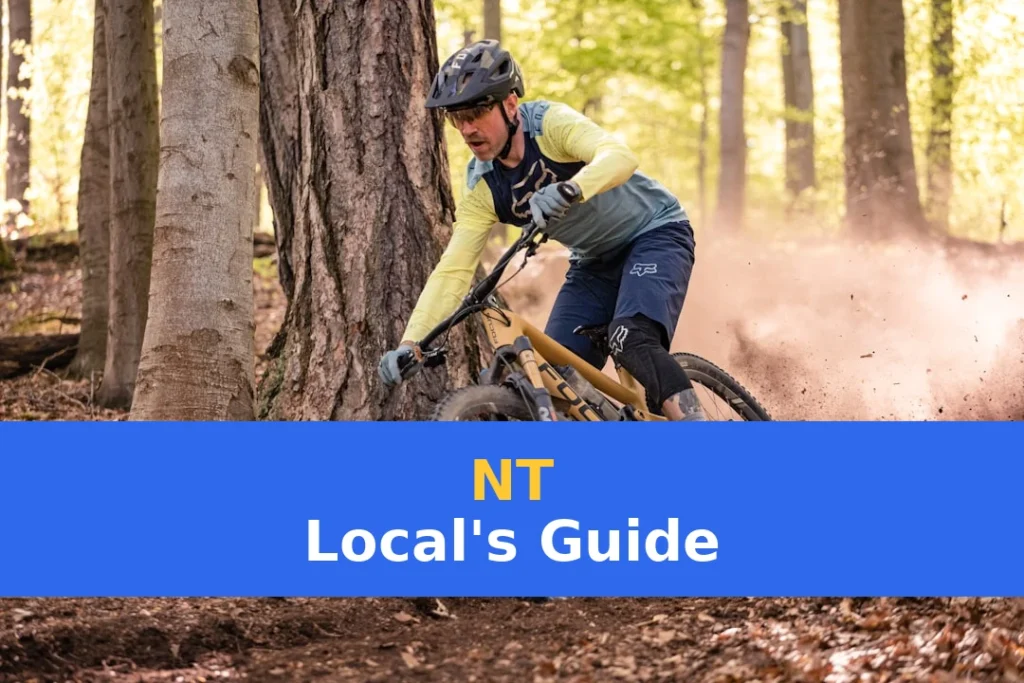
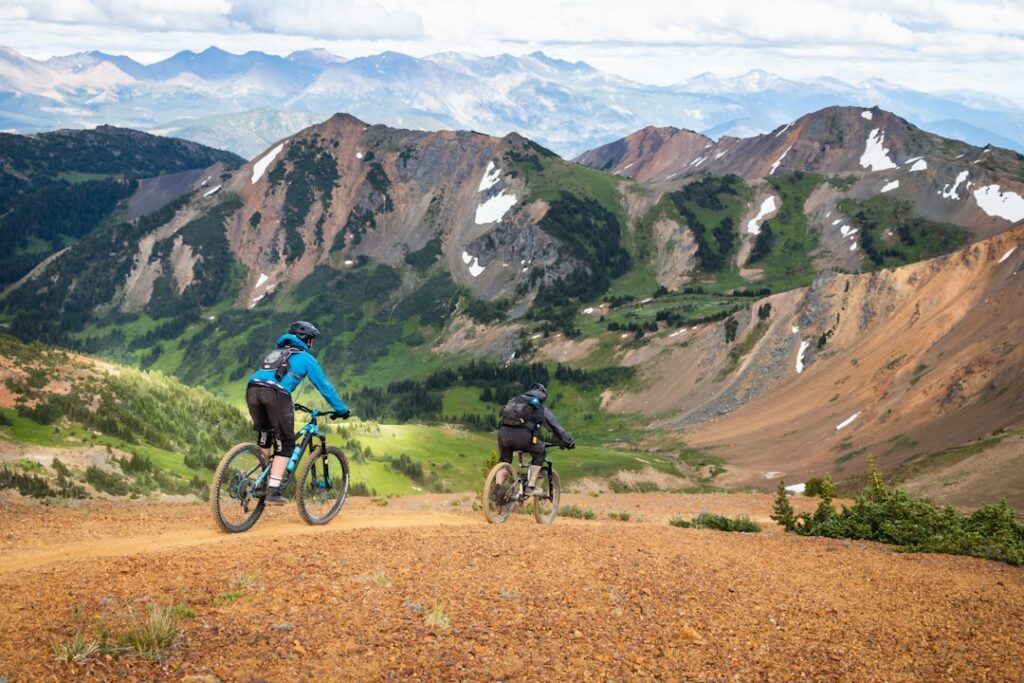
Winter in Australia doesn’t mean hanging up your helmet and storing your bike – in fact, it’s one of the most exhilarating seasons to hit the trails! While our northern friends are shovelling snow, we’re lucky enough to enjoy crisp, clear days perfect for mountain biking adventures across this vast continent. From the rugged high country of Victoria to the flowing single tracks of Western Australia, winter offers unique riding conditions that will challenge and delight riders of all abilities. Whether you’re planning one of those epic Australian road trips with your bike in tow or looking for the best road trips Australia has to offer for two-wheeled adventures, this guide will help you make the most of winter riding while staying safe and comfortable.
Why Winter is the Secret Season for Mountain Biking
Many riders overlook winter, assuming it’s too cold or wet, but they’re missing out on some of the best riding conditions of the year. Winter brings cooler temperatures that mean less fatigue and more energy for longer rides. The soil is often firmer than in summer, providing better traction and faster trails. Plus, the winter light creates stunning photography opportunities with that golden hour lasting longer than you’d expect.
Regional Highlights Across Australia
Each region offers something special during winter, and knowing where to go can transform your riding experience:
- Victoria’s High Country: The trails around Bright, Mount Buller, and Falls Creek are spectacular in winter. While the ski resorts buzz with snow activities, the lower trails maintain perfect riding conditions. The famous 7 Mile track offers incredible views without the summer crowds.
- Western Australia’s South West: Margaret River and Pemberton shine in winter with damp but manageable conditions. The Karri forests create a magical atmosphere, and the famous Munda Biddi Trail offers hundreds of kilometres of world-class riding.
- Tasmania’s Blue Derby: Winter riding here is exceptional – think tacky dirt, no dust, and empty trails. The network of purpose-built trails offers everything from flowy berms to technical challenges.
- New South Wales’ Thredbo Valley: While the ski slopes above are busy, the valley trails maintain perfect conditions. The Thredbo Valley Track is one of Australia’s most beautiful rides, especially with winter snow dusting the peaks above.
Essential Gear for Winter Riding
Proper preparation makes the difference between a brilliant winter adventure and a miserable one. Australian winter conditions vary dramatically between regions, so layering is your best strategy. Start with a moisture-wicking base layer, add an insulating mid-layer, and finish with a waterproof and windproof outer shell that you can easily remove.
Clothing Must-Haves
Investing in quality winter riding gear will pay dividends in comfort and enjoyment:
- Waterproof jacket and pants: Look for breathable fabrics with sealed seams
- Thermal gloves: Essential for maintaining dexterity on cold descents
- Neck warmer or buff: Versatile piece that can protect your face and neck
- Waterproof shoe covers: Keep your feet dry and warm
- Clear or light-tinted lenses: For low-light conditions common in winter
Bike Preparation Tips
Your bike needs some winter-specific attention too:
- Lower your tyre pressure slightly: This increases grip on wet or loose surfaces
- Consider tubeless setup: Reduces pinch flats and allows lower pressures
- Check brake pads: Wet conditions wear pads faster
- Lubricate your chain: Use wet-weather specific lube
- Add mudguards: Both front and rear make a huge difference in comfort
Planning Your Winter Mountain Biking Road Trip
Some of the best Australian road trips combine multiple riding destinations into one epic adventure. Winter is actually ideal for road trips in many parts of Australia, with fewer crowds and more accommodation options available.
Sample Itinerary: The Alpine Loop (7-10 days)
This road trip Australia itinerary showcases some of Victoria’s best winter riding:
- Day 1-2: Bright – Explore the Mystic Mountain Park trails
- Day 3-4: Mount Beauty – Ride the Big Hill Mountain Bike Park
- Day 5-6: Falls Creek – Test yourself on the world-class trail network
- Day 7-8: Bright – Return for favourite trails or explore new ones
- Day 9-10: Melbourne – Stop at You Yangs Regional Park on the way back
Local Tips from Residents
We asked local riders across Australia for their insider winter knowledge:
- “In Tasmania, check the weather forecast obsessively. Conditions can change quickly, and some trails become unrideable after heavy rain.” – Local Derby rider
- “Western Australia’s south west gets slippery! Those granite sections become like ice when wet. Drop your pressure and stay loose on the bike.” – Margaret River local
- “Don’t let the snow around Thredbo fool you – the valley trails are often clear and perfect. Just check with the visitor centre for current conditions.” – Snowy Mountains resident
- “In Bright, ride in the morning when trails are firmest. Afternoon sun can make things muddy in patches.” – Local guide
Safety Considerations for Winter Riding
Winter riding presents unique challenges that require extra attention to safety. Shorter daylight hours mean you need to be prepared for riding in low light conditions. Always carry a good quality front and rear light, even if you plan to finish before dark.
Weather Awareness
Australian weather can be notoriously unpredictable in winter. Always check multiple sources before heading out, including local Bureau of Meteorology forecasts and trail-specific condition reports where available. Be prepared to change plans if conditions deteriorate.
Navigation Essentials
Winter conditions can make trails harder to follow:
- Download offline maps before you lose service
- Carry a physical map as backup
- Consider a GPS device with long battery life
- Mark key waypoints before you start
- Tell someone your detailed plans and expected return time
Post-Ride Recovery and Maintenance
Winter riding can be tougher on your body and bike. A proper post-ride routine will keep you ready for the next adventure. Start with a thorough bike clean – mud and moisture can cause serious damage if left unchecked. Pay special attention to your drivetrain, brakes, and suspension pivots.
For your body, a hot shower followed by some gentle stretching works wonders. Consider carrying a change of clothes in your car so you can get out of wet gear immediately. Many trailheads now have basic facilities, but it’s always worth checking beforehand.
Conclusion
Winter mountain biking in Australia offers some of the most rewarding riding experiences you’ll find all year. From the misty forests of Tasmania to the crisp mountain air of Victoria’s high country, there’s something magical about hitting the trails when the crowds are away and the conditions are just right. With the right preparation, gear, and local knowledge, winter can become your favourite riding season. So why wait for summer? Pack your bags, load up the bike, and discover why winter is the secret season for Australian mountain biking adventures. The trails are calling – will you answer?
Frequently Asked Questions
What makes winter an ideal season for mountain biking in Australia?
Winter offers excellent riding conditions with cooler temperatures reducing fatigue, firmer soil providing better traction and faster trails, and stunning winter light for photography. Regions like Victoria’s High Country, Western Australia’s South West, Tasmania’s Blue Derby, and NSW’s Thredbo Valley maintain perfect riding conditions without summer crowds, making it a secret season for quality mountain biking experiences across Australia.
How should I prepare my bike for winter mountain biking conditions?
Prepare your bike by lowering tyre pressure slightly for increased grip on wet surfaces, considering a tubeless setup to reduce pinch flats, checking brake pads as wet conditions wear them faster, lubricating the chain with wet-weather specific lube, and adding both front and rear mudguards for comfort. These adjustments will significantly improve your winter riding experience and bike longevity.
When is the best time to ride trails in Bright during winter?
According to local guides, the best time to ride trails in Bright during winter is in the morning when trails are firmest. The afternoon sun can make certain sections muddy in patches. This timing advice is particularly relevant for areas like Mystic Mountain Park and the famous 7 Mile track, which maintain excellent winter riding conditions when tackled earlier in the day.
What essential gear should I invest in for winter mountain biking in Australia?
Essential winter gear includes a waterproof jacket and pants with breathable fabrics, thermal gloves for dexterity on cold descents, a neck warmer or buff for face and neck protection, waterproof shoe covers, and clear or light-tinted lenses for low-light conditions. Layering with a moisture-wicking base layer, insulating mid-layer, and waterproof outer shell is recommended for varying Australian winter conditions across different regions.

Be the First to Comment
Sign in to start the conversation.