
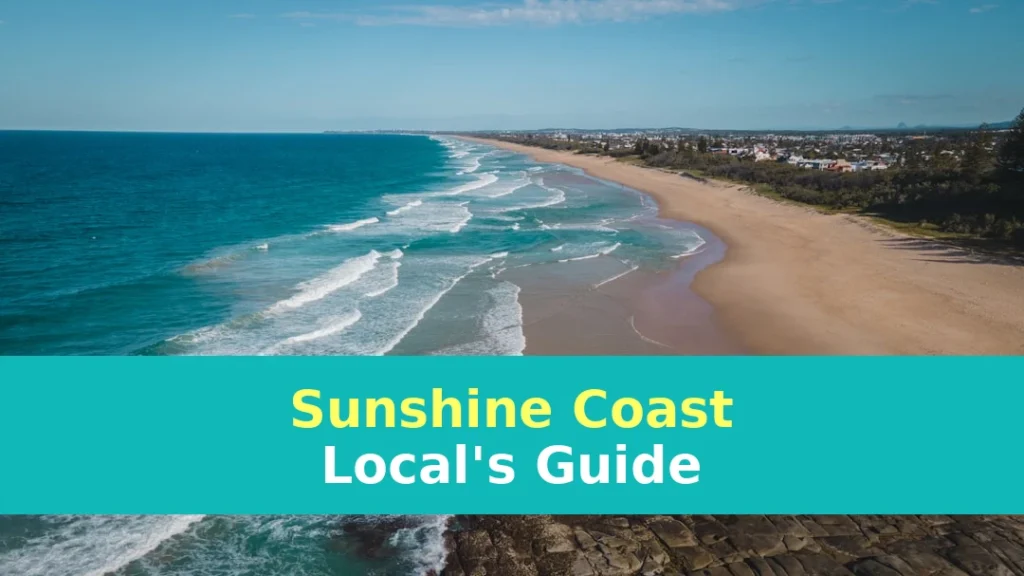
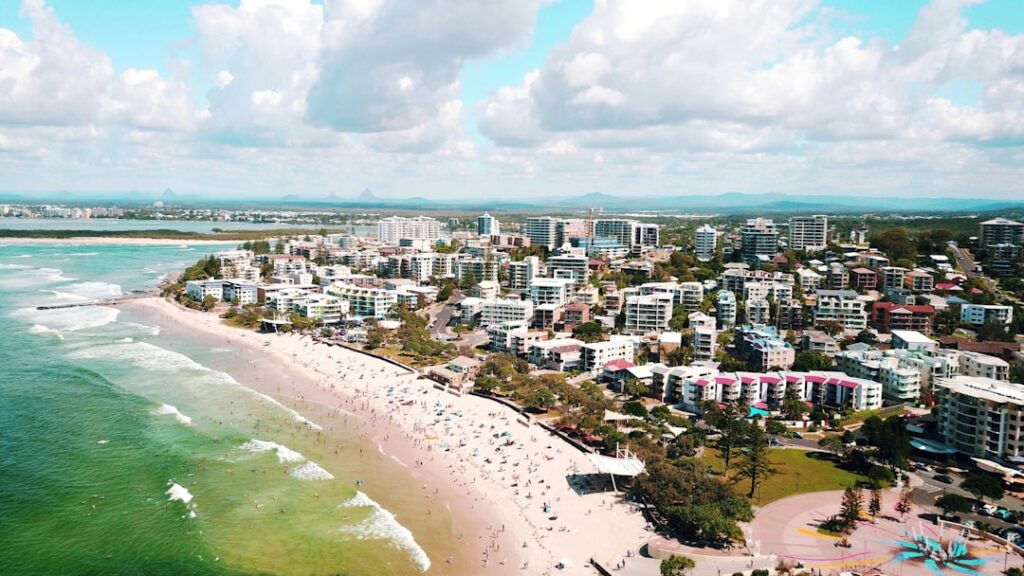
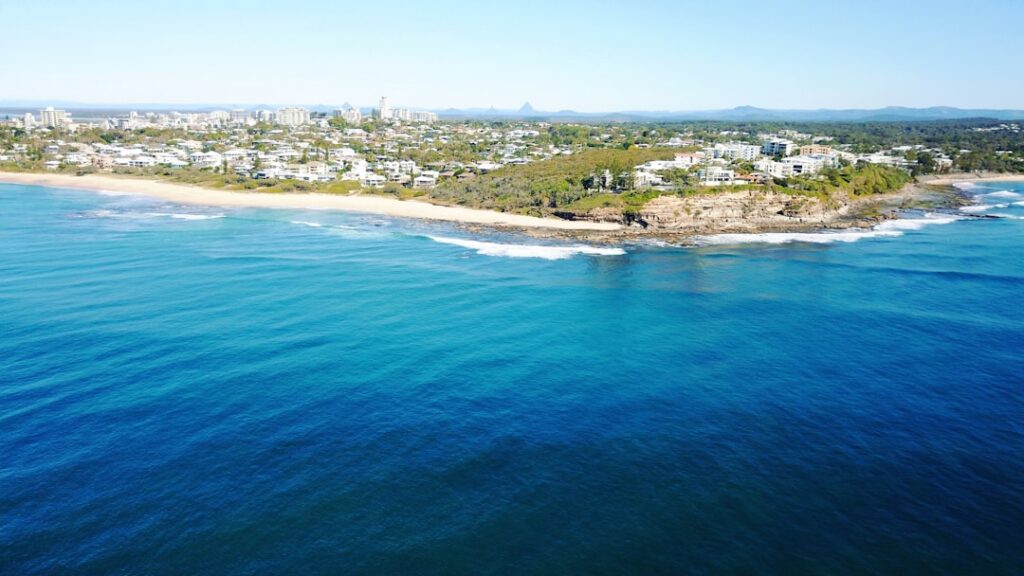
Nestled in the heart of Queensland’s stunning coastline, the Sunshine Coast offers an incredible playground for outdoor enthusiasts, with canyoning emerging as one of the most thrilling adventures to experience here. This beautiful region, stretching from Caloundra to Noosa Heads, is renowned for its pristine beaches, lush hinterland, and perfect subtropical climate that makes it ideal for year-round exploration. Whether you’re a beginner looking to dip your toes into this exciting sport or an experienced adventurer seeking new challenges, the Sunshine Coast’s diverse landscape provides the perfect backdrop for unforgettable canyoning experiences. Let’s dive into how you can plan the ultimate canyoning adventure in this slice of paradise.
Understanding Canyoning on the Sunshine Coast
Canyoning, also known as canyoneering, is an adventurous activity that involves navigating through canyons using a variety of techniques including walking, scrambling, climbing, jumping, abseiling, and swimming. The Sunshine Coast’s unique geography, with its ancient volcanic formations and numerous waterways, creates perfect natural playgrounds for this exhilarating sport.
What Makes Sunshine Coast Canyoning Special?
The region’s canyoning experiences are distinctly Australian, offering a blend of tropical rainforest settings with crystal-clear freshwater pools and dramatic rock formations. Unlike the dry, arid canyons found in other parts of Australia, Sunshine Coast canyons often feature year-round water flow, creating lush, green environments that are simply breathtaking.
- Diverse difficulty levels suitable for all experience levels
- Combination of abseiling, swimming, and rock scrambling
- Stunning natural beauty with waterfalls and rock pools
- Year-round accessibility thanks to the mild climate
Best Canyoning Locations on the Sunshine Coast
When it comes to choosing your canyoning adventure, the Sunshine Coast offers several spectacular locations that cater to different skill levels and preferences. Here are some of the most popular spots that locals and visitors alike rave about:
Noosa and Hinterland Gems
Noosa isn’t just famous for its beautiful beaches and national park – the surrounding hinterland hides some incredible canyoning opportunities. The Noosa Biosphere Reserve, with its ancient volcanic plugs and subtropical rainforests, provides the perfect setting for both beginner and intermediate canyoning adventures.
Local guides often recommend starting with the easier creeks around the Noosa Hinterland, where you can practice basic techniques in relatively safe environments. These spots offer gentle waterfalls, manageable rock scrambles, and refreshing swimming holes that make for perfect family-friendly adventures.
Glass House Mountains Adventures
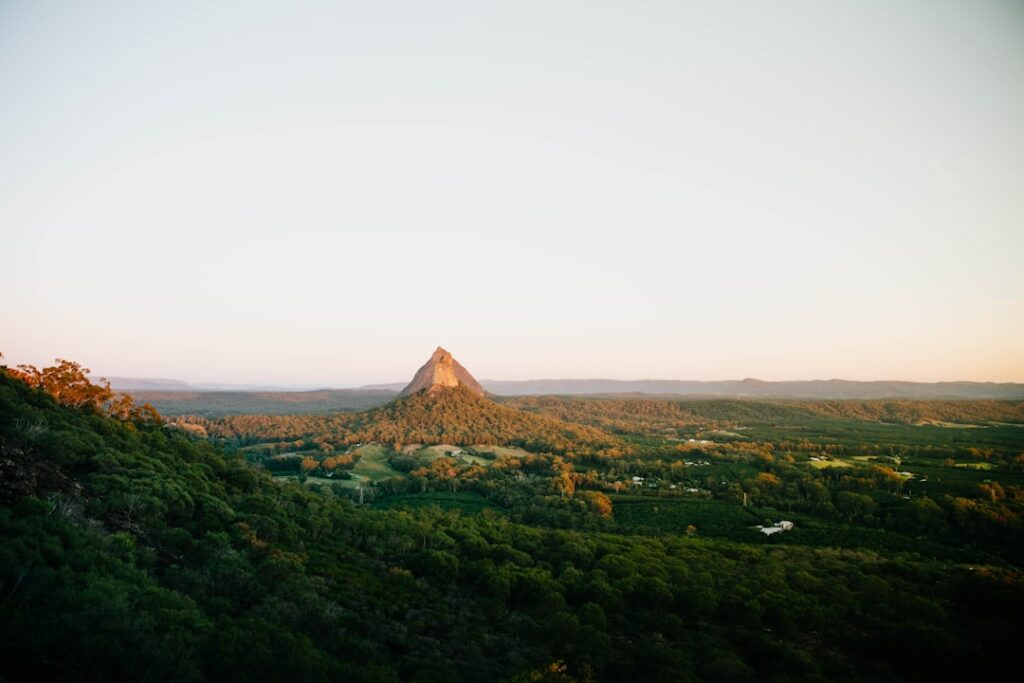
For those seeking more challenging experiences, the Glass House Mountains provide dramatic landscapes with steep gorges and technical routes. These ancient volcanic peaks offer some of the most exciting canyoning in Queensland, though they’re best tackled with experienced guides or by seasoned canyoneers.
Planning Your Canyoning Trip: Step-by-Step Guide
Proper planning is essential for a safe and enjoyable canyoning experience. Here’s everything you need to consider when organising your Sunshine Coast adventure:
Step 1: Choose the Right Season
While the Sunshine Coast enjoys pleasant weather year-round, timing can significantly impact your canyoning experience. The best months for canyoning are typically from March to November when rainfall is more predictable and water levels are stable.
- Summer (December-February): Warm temperatures but higher rainfall can create dangerous conditions
- Autumn (March-May): Ideal conditions with comfortable temperatures and stable water levels
- Winter (June-August): Cooler but still pleasant, water might be chilly but manageable
- Spring (September-November): Perfect season with warming weather and reliable conditions
Step 2: Decide Between Guided or Self-Guided
This is one of the most important decisions you’ll make. While experienced canyoneers might opt for self-guided adventures, most visitors and even many locals prefer guided tours, especially when exploring the area for the first time.
Benefits of Guided Tours:
- Safety equipment provided and maintained to industry standards
- Local knowledge of conditions and hidden gems
- No need to purchase expensive personal gear
- Learn proper techniques from certified instructors
- Access to private or restricted locations
Step 3: Gather Essential Gear
Whether you’re going with a guide or on your own, having the right equipment is crucial. Here’s what you’ll typically need:
- Wetsuit (even in summer, water can be cold)
- Helmet (non-negotiable for safety)
- Sturdy canyoning shoes with good grip
- Harness and abseiling device
- Waterproof bag for essentials
- Plenty of water and high-energy snacks
- First aid kit
Step 4: Check Weather and Conditions
Step 5: Plan Your Route and Logistics
Research your chosen canyon thoroughly. Understand the entry and exit points, estimated time required, difficulty level, and any specific challenges or hazards. Many Sunshine Coast canyons require car shuttles or specific access arrangements, so plan these logistics in advance.
Local Tips from Sunshine Coast Residents
We’ve gathered some insider advice from locals who know these canyons like the back of their hand:
- Start early in the morning to avoid crowds and the midday heat
- Visit during the week if possible – weekends can get busy at popular spots
- Bring a change of clothes and leave them in your car for the journey home
- Consider staying overnight in the hinterland to make a weekend of it
- Always let someone know your plans and expected return time
- Support local guide services – they provide invaluable knowledge and safety
Making the Most of Your Sunshine Coast Canyoning Adventure
Beyond the canyoning itself, the Sunshine Coast offers countless opportunities to extend your adventure into a memorable holiday. Consider combining your canyoning trip with other local activities to create the ultimate outdoor experience.
Complementary Activities
After your canyoning adventure, why not explore some of the region’s other attractions? The Noosa Everglades offer stunning kayak tours, while the coastal walks provide breathtaking ocean views. For a more relaxed experience, the local markets and cafes showcase the best of Sunshine Coast culture and cuisine.
Family-Friendly Options
If you’re travelling with children or have mixed-ability groups, consider the easier canyon walks that don’t require technical skills but still offer beautiful scenery and swimming opportunities. Many tour operators offer family-specific packages that ensure everyone can enjoy the experience safely.
Conclusion: Your Sunshine Coast Canyoning Adventure Awaits
Canyoning on the Sunshine Coast offers an incredible way to experience Queensland’s natural beauty while getting your adrenaline fix. From the gentle streams of the Noosa Hinterland to the challenging gorges of the Glass House Mountains, there’s something here for every adventure seeker. By planning carefully, respecting safety guidelines, and choosing the right locations for your skill level, you’re set for an unforgettable experience that showcases the very best of Australia’s outdoor adventure scene. So pack your sense of adventure, gather your gear, and get ready to explore the stunning canyons that make the Sunshine Coast a true paradise for outdoor enthusiasts.
Frequently Asked Questions
What is canyoning and what makes it special on the Sunshine Coast?
Canyoning, also known as canyoneering, involves navigating through canyons using techniques like walking, scrambling, climbing, jumping, abseiling, and swimming. The Sunshine Coast’s canyoning is special due to its ancient volcanic formations and year-round water flow, creating lush tropical rainforest settings with crystal-clear freshwater pools. Unlike Australia’s dry canyons, this region offers diverse difficulty levels from beginner to advanced, combining abseiling, swimming, and rock scrambling amidst waterfalls and rock pools, all accessible year-round thanks to the mild subtropical climate.
How do I plan a canyoning trip on the Sunshine Coast step by step?
Start by choosing the right season – March to November offers the most stable conditions. Decide between guided tours (recommended for beginners) which provide safety equipment and local expertise, or self-guided adventures for experienced canyoneers. Gather essential gear including a wetsuit, helmet, sturdy shoes, harness, and waterproof bags. Always check weather and water conditions before heading out, as canyoning in flood conditions is extremely dangerous. Finally, research your route thoroughly, understanding entry/exit points, time requirements, and logistics like car shuttles for specific canyons.
When is the best time to go canyoning on the Sunshine Coast?
The ideal months for canyoning on the Sunshine Coast are from March to November. Autumn (March-May) offers perfect conditions with comfortable temperatures and stable water levels. Spring (September-November) is also excellent with warming weather and reliable conditions. Winter (June-August) is still pleasant though water might be chilly. Summer (December-February) brings higher rainfall which can create dangerous conditions, so extra caution is needed during these months. The region’s mild climate makes year-round exploration possible, but avoiding peak rainfall periods ensures safer adventures.
What are the costs and practical considerations for Sunshine Coast canyoning?
Guided tours provide significant value by including safety equipment (wetsuit, helmet, harness, abseiling device) maintained to industry standards, eliminating the need for expensive personal gear purchases. Tour costs vary but typically cover instruction, local knowledge, and access to restricted locations. Self-guided adventures require purchasing or renting all personal equipment. Additional practical considerations include planning car shuttles for canyon access, bringing high-energy snacks and plenty of water, and arranging accommodation in the hinterland if making a weekend trip. Local guide services offer family-specific packages for mixed-ability groups.

Be the First to Comment
Sign in to start the conversation.