


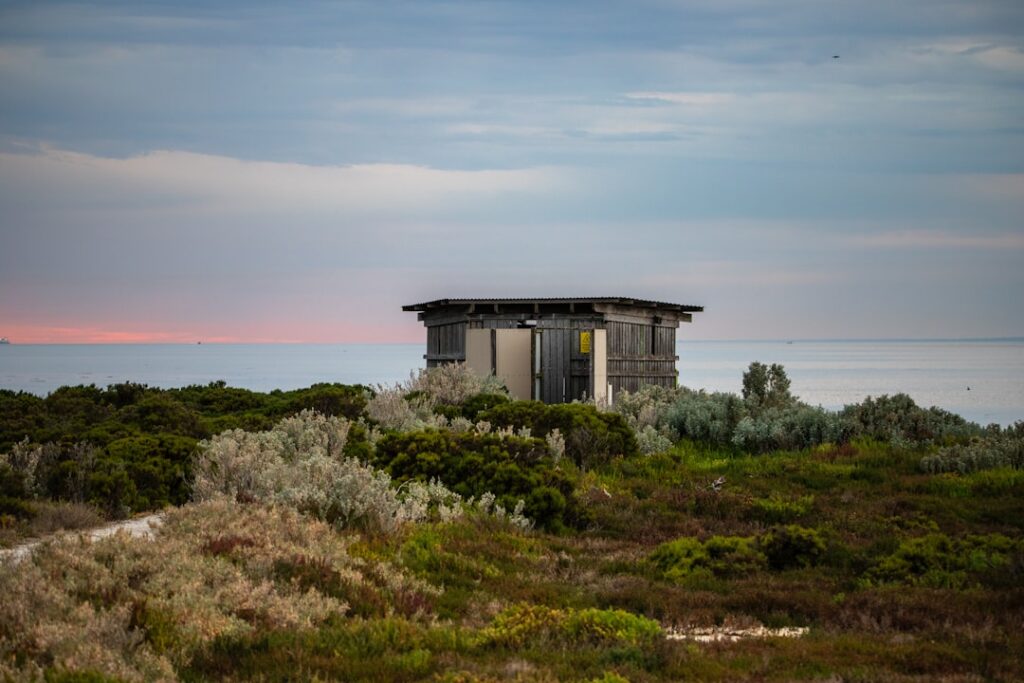
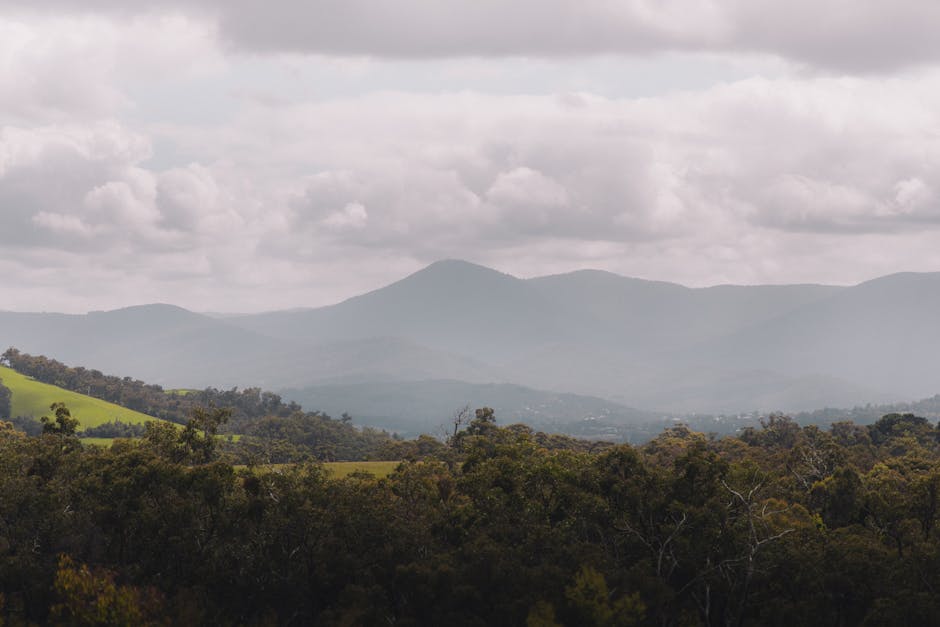
Western Victoria offers some of Australia’s most spectacular cycling experiences, with the iconic Great Ocean Road winding its way along dramatic coastal cliffs and through lush rainforests. This world-renowned stretch of coastline, spanning 243 kilometres from Torquay to Allansford, provides cyclists with breathtaking ocean views, charming seaside towns, and challenging terrain that attracts riders from around the globe. Whether you’re planning a weekend getaway or an extended cycling adventure, the region’s diverse landscapes, from the rugged Shipwreck Coast to the rolling Otway Ranges, promise unforgettable two-wheeled journeys through some of Victoria’s most stunning natural scenery.
Choosing Your Cycling Route
Western Victoria’s cycling routes cater to all skill levels, from leisurely coastal paths to challenging mountain climbs. The Great Ocean Road itself offers the ultimate cycling challenge, but breaking it into manageable segments makes it accessible to most riders with reasonable fitness levels.
Popular Route Options
The beauty of cycling in this region lies in its variety. Here are some favourite routes among locals and visitors alike:
- Torquay to Lorne (46km) – Perfect for intermediate riders, featuring stunning coastal views and the famous Bells Beach
- Lorne to Apollo Bay (31km) – A challenging but rewarding ride through the Great Otway National Park
- Apollo Bay to Port Campbell (60km) – Includes the iconic Twelve Apostles and dramatic limestone cliffs
- Colac to Forrest (34km) – A gentle rail trail experience through picturesque farmland
- Forrest Mountain Bike Trails – Over 60km of dedicated single-track for adrenaline seekers
Each route offers unique experiences, from surfing culture in Torquay to the rainforest canopy near Cape Otway. Consider your fitness level, time available, and interests when selecting your path.
Timing Your Adventure
Western Victoria’s climate presents distinct cycling conditions throughout the year. Understanding seasonal patterns can make or break your cycling experience.
Best Seasons for Cycling
Spring (September-November) and autumn (March-May) offer ideal conditions for cycling the Great Ocean Road. During these months, you’ll enjoy:
- Mild temperatures between 15-22°C
- Lower rainfall compared to winter
- Fewer tourists than summer peak season
- Spectacular spring wildflowers or autumn foliage
- Comfortable accommodation availability
Summer (December-February) brings warm weather but also strong headwinds and heavy traffic. Winter (June-August) offers dramatic scenery and minimal crowds but requires preparation for rain and cooler temperatures.
Local Tip on Weather
The region’s weather can change dramatically within hours, especially along the coast. Always check the marine forecast before heading out – what starts as a perfect morning can quickly turn into a challenging afternoon ride with strong southerly winds. The locals know to start early and finish before the typical afternoon sea breeze picks up around 1-2pm.
Essential Preparation and Planning
Proper planning ensures your Western Victoria cycling adventure runs smoothly. From bike selection to accommodation booking, attention to detail makes all the difference.
Bike and Equipment Considerations
The right bike depends on your chosen route. For the Great Ocean Road, a road bike or hybrid with sturdy tyres works well. If exploring the Otways, consider a gravel bike or mountain bike. Essential equipment includes:
- Helmet (mandatory in Victoria)
- High-visibility clothing for safety on roads
- Waterproof jacket – coastal weather changes quickly
- Two water bottles or hydration pack
- Basic repair kit and pump
- Lights for early morning or evening rides
- Phone with offline maps downloaded
Accommodation Strategy
Popular towns like Lorne, Apollo Bay, and Port Campbell book out well in advance, especially during weekends and holidays. Consider these options:
- Self-catering apartments – Ideal for groups and families
- Caravan parks – Budget-friendly with bike storage
- Bed and breakfasts – Local insights and hearty breakfasts
- Luxury retreats – Perfect for post-ride recovery
Book accommodations 2-3 months ahead for peak season. For spontaneous trips, consider staying in smaller towns between major hubs – they often have last-minute availability and authentic local character.
Navigating the Great Ocean Road by Bike
The Great Ocean Road presents unique challenges for cyclists. Understanding the road’s characteristics helps ensure a safe and enjoyable ride.
Road Safety Essentials
The narrow, winding sections of the Great Ocean Road demand constant vigilance. Follow these safety guidelines from experienced local riders:
- Ride single file at all times – it’s the law and saves lives
- Use rear and front lights even during daylight for visibility
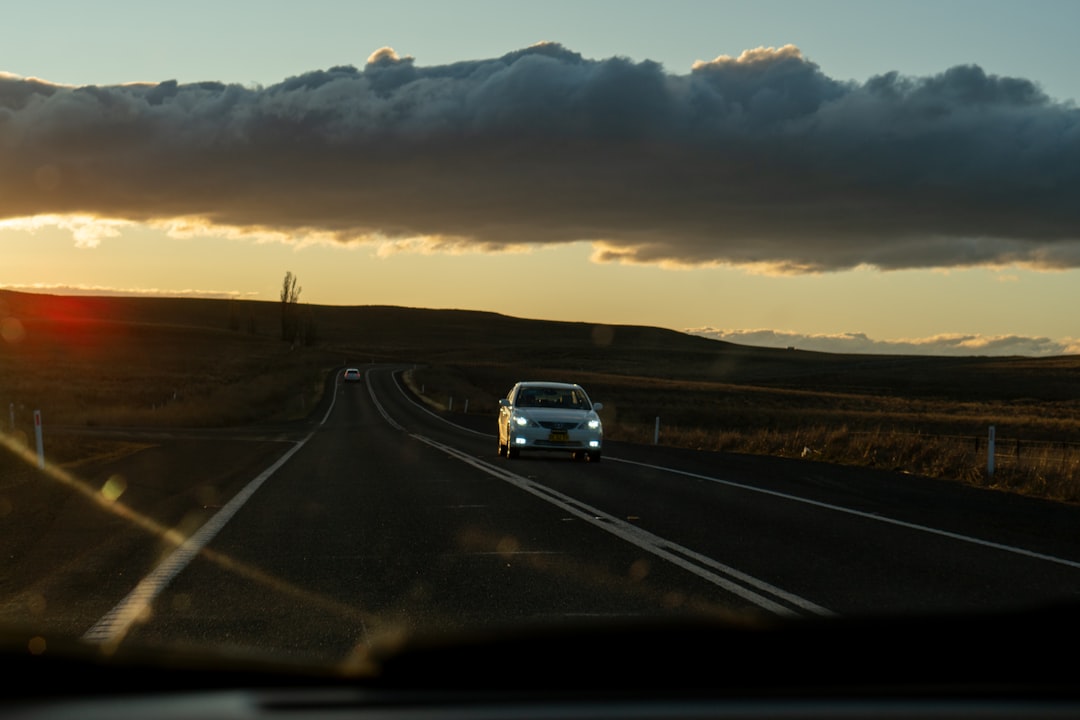
- Plan your route to avoid peak traffic times (10am-3pm)
- Take advantage of the many designated lookouts to rest and let traffic pass
- Be prepared for sections without shoulders – pull over when necessary
Support Services and Logistics
Several companies offer cycling-specific support along the Great Ocean Road:
- Bike shuttles – Transport between towns or return transfers
- Luggage transfers – Move your gear between accommodations
- Guided tours – Local knowledge and support vehicle
- Bike hire – Quality road and e-bikes available in major towns
Using these services allows you to ride with just a daypack, significantly improving the experience. E-bike hire has become increasingly popular, making the hilly sections accessible to more riders.
Beyond the Coast: Inland Cycling Adventures
While the Great Ocean Road steals the spotlight, Western Victoria’s inland routes offer equally rewarding cycling experiences with fewer crowds.
The Otways and Beyond
The Great Otway National Park contains some of Victoria’s best cycling trails. The Old Beechy Rail Trail runs from Colac to Forrest, passing through towering eucalyptus forests and fern gullies. Mountain bikers flock to the Forrest Mountain Bike Park, which features trails for all skill levels.
Further inland, the Grampians (Gariwerd) National Park offers challenging road cycling with spectacular mountain backdrops. The loop around Halls Gap to Zumsteins provides a moderate ride with opportunities to spot native wildlife.
Volcanic Plains Cycling
Western Victoria’s volcanic plains create gentle rolling hills perfect for leisurely cycling. The region around Camperdown and Terang features quiet country roads, historic volcanic cones, and charming country towns. These routes offer a different perspective on the region’s diverse landscapes.
Practical Travel Information
Getting to and around Western Victoria requires some planning. Here’s what you need to know:
Getting There
Melbourne is the main gateway to Western Victoria, approximately 90 minutes from Torquay. Transport options include:
- Driving – Most convenient, allows flexibility with bike transport
- V/Line train – Services to Geelong, with connecting buses to coastal towns
- Shuttle services – Direct transfers from Melbourne Airport to cycling hubs
What to Pack
Beyond cycling gear, pack for Western Victoria’s variable climate:
- Layers – thermal base, insulating mid-layer, waterproof outer shell
- Sun protection – the Australian sun is intense even on cloudy days
- Swimwear – the ocean might be chilly but is refreshing after a ride
- Cash – some small cafes and shops prefer cash payments
- Power bank – limited charging opportunities between towns
Local Insights and Hidden Gems
The best cycling experiences often come from local knowledge. Here are some insider tips from Western Victoria residents:
Off-the-Beaten-Path Routes
While most tourists stick to the main road, locals recommend these alternatives:
- The Old Coast Road – Between Torquay and Anglesea, offers quieter riding with equally beautiful views
- Lorne-Deans Marsh Road – A challenging climb through the Otways with rewarding descents
- Barwon Heads to Ocean Grove – Flat, scenic ride along the Barwon River estuary
Cyclist-Friendly Eateries
Refuelling is crucial, and these spots welcome sweaty cyclists:
- Anglesea Bakery – Famous for vanilla slices and coffee with outdoor bike parking
- Apollo Bay Fishermen’s Co-op – Fresh seafood with picnic tables overlooking the harbour
- Forrest Brewery – Craft beer and hearty meals at the end of mountain bike trails
Secret Swimming Holes
After a hot ride, cool off in these local favourites:
- Erskine Falls – A short ride from Lorne, with a refreshing pool at the base
- Stevensons Falls – Near Forrest, accessible via a gentle cycling trail
- Marriners Lookout – Not for swimming, but the coastal views are worth the climb
Conclusion
Cycling in Western Victoria offers an unparalleled opportunity to experience one of Australia’s most spectacular regions at a human pace. The combination of challenging terrain, breathtaking scenery, and welcoming communities creates cycling memories that last a lifetime. Whether you’re tackling the entire Great Ocean Road over several days or exploring gentle rail trails through ancient forests, proper planning ensures you’ll focus on the experience rather than logistics. The region’s diversity means every visit can offer something new – from dramatic coastal vistas to peaceful inland routes, from challenging climbs to leisurely rides through wine country. So grab your bike, plan your route, and discover why Western Victoria remains a favourite destination for cyclists from across Australia and around the world.
Frequently Asked Questions
What are the most popular cycling routes in Western Victoria?
Western Victoria offers diverse cycling routes for all skill levels. Popular options include Torquay to Lorne (46km) with coastal views and Bells Beach, Lorne to Apollo Bay (31km) through Great Otway National Park, and Apollo Bay to Port Campbell (60km) featuring the Twelve Apostles. For gentler rides, try the Colac to Forrest rail trail (34km) through farmland, or explore over 60km of single-track at Forrest Mountain Bike Trails. Each route provides unique experiences from surfing culture to rainforest canopies.
How should I prepare for cycling the Great Ocean Road?
Proper preparation is essential for the Great Ocean Road’s 243km stretch. Choose a road bike or hybrid with sturdy tyres, and pack mandatory equipment including a helmet, high-visibility clothing, waterproof jacket, two water bottles, repair kit, and lights. Book accommodations in Lorne, Apollo Bay or Port Campbell 2-3 months ahead for peak season. Consider using support services like luggage transfers or bike shuttles to ride with just a daypack. Plan to avoid peak traffic times (10am-3pm) and start early to finish before afternoon sea breezes.
When is the best time of year for cycling in Western Victoria?
Spring (September-November) and autumn (March-May) offer ideal cycling conditions with mild temperatures of 15-22°C, lower rainfall, and fewer tourists than summer. These seasons provide spectacular spring wildflowers or autumn foliage and comfortable accommodation availability. Summer brings warm weather but strong headwinds and heavy traffic, while winter offers dramatic scenery with minimal crowds but requires preparation for rain and cooler temperatures. Always check marine forecasts as coastal weather can change dramatically within hours.
What are the costs and logistics for cycling in Western Victoria?
Cycling in Western Victoria requires budgeting for various expenses. Accommodation ranges from budget-friendly caravan parks to luxury retreats, with popular towns like Lorne and Apollo Bay booking out quickly. Support services include bike shuttles for town transfers, luggage transfers between accommodations, and e-bike hire in major towns. Transport from Melbourne takes 90 minutes to Torquay by car, with V/Line trains to Geelong and connecting buses available. Pack cash for small cafes, as some prefer cash payments, and bring a power bank for limited charging opportunities between towns.


Be the First to Comment
Sign in to start the conversation.