
A single deep-sea fishing charter in Australia can range from AUD $300 to over $1,500 per person, depending on the region and vessel size. This staggering variance often leaves first-time anglers staring at their bank accounts in disbelief, wondering if they are about to invest in a legendary fishing expedition or simply fund someone else’s fuel bill. In the world of Australian outdoor sports, understanding these numbers is just as important as knowing how to tie a knot. Whether you are targeting Marlin off the coast of Queensland or Snapper in Western Australia, the price tag tells a story about the value, safety, and authenticity of the experience. Let’s break down exactly what drives these costs so you can book with confidence.
The Price of the Catch: Decoding Charter Rates
When you look at a charter rate, it is rarely just about the length of the trip. The operational factors dictate the bottom line far more than you might expect. To understand why one charter is half the price of another, we need to look at three specific variables: vessel type, distance from shore, and the “keep or release” policy.
Vessel Type: Centre Console vs. Sportf Yacht
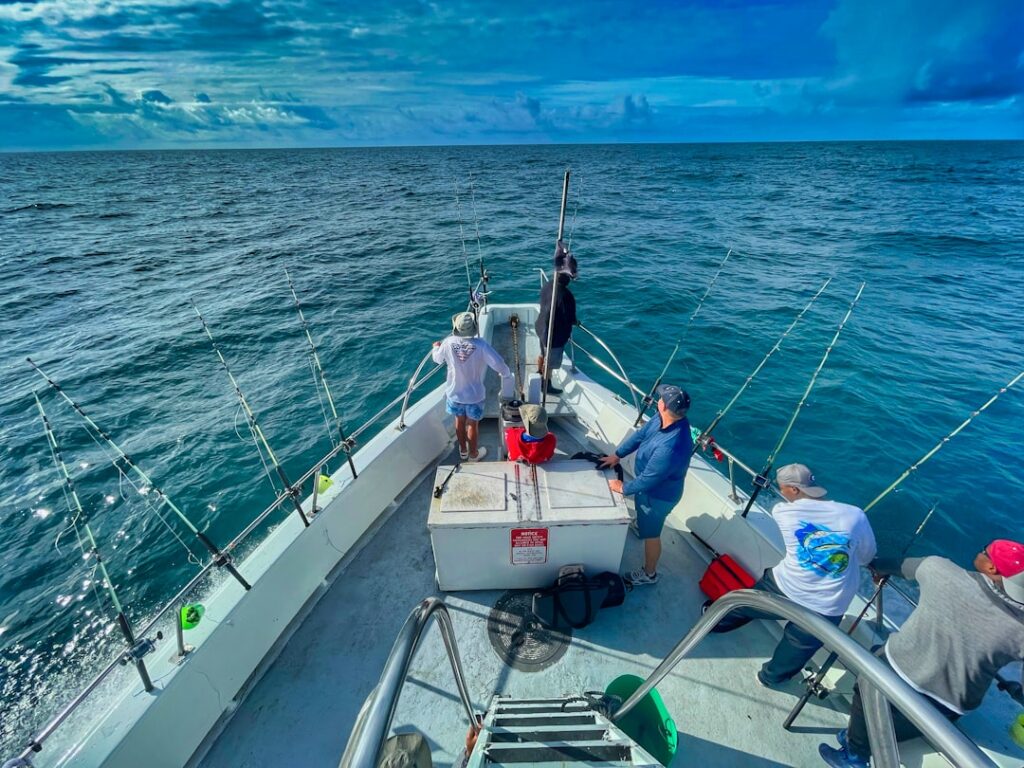
The size and type of the boat are the primary cost drivers. A centre console vessel, typically 6–7 metres long, is designed for speed and agility in shallower waters. It’s cheaper to run, requires a smaller crew, and offers a more rugged, hands-on experience. In contrast, a sportf yacht is a floating luxury hotel equipped with stabilisers, air-conditioned cabins, and multiple decks. You are paying for comfort, stability in rough seas, and the ability to stay out much further offshore.
Distance and Target Species
How far do you plan to go? A trip out to the outer reef or continental shelf costs significantly more due to fuel consumption. Furthermore, some species require specific techniques and gear that drive up operational costs. For example, targeting Bluefin Tuna in the Great Southern Reef involves heavy-duty gear and specific bait strategies that command a premium.
| Region | Vessel Type | Average Daily Rate (AUD) | Key Species Targeted |
| :— | :— | :— | :— |
| QLD (Great Barrier Reef) | Centre Console | $350 – $600 | GT, Trevally, Wahoo |
| WA (Shark Bay) | Sportf Yacht | $900 – $1,500 | Bluefin Tuna, Grouper |
| NSW (Sapphire Coast) | Centre Console | $400 – $750 | Blue Marlin, Spanish Mackerel |
*Note: Rates are per boat for up to 4-6 anglers, excluding licensing fees.*
The Hidden Ledger: Licenses, Gear, and Gratuities
The headline price is rarely the final price. There is a hidden ledger of costs that can catch unwary tourists off guard, particularly regarding regulatory compliance and equipment.
Fishing License Requirements
Do I need a licence to fish in Australia? The answer is generally yes, but the rules vary wildly by state. In New South Wales, for instance, you must hold a recreational fishing licence unless you are on board an accredited charter boat that includes the licence in their fee. In Queensland, most deep-sea charters include your marine park permit and recreational fishing licence in the charter fee, but this is not universal. Always ask your host whether the “fishing australia book” includes these permits before you sign on the dotted line.
Bait, Tackle, and Gratuities
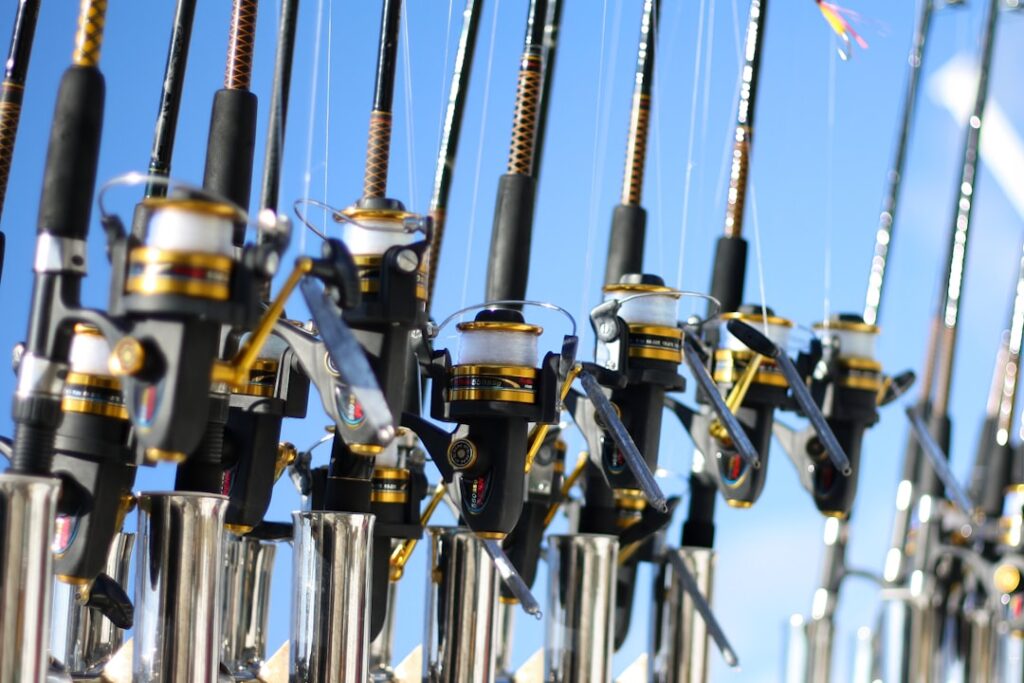
Many charter operators advertise a “cheap” rate but charge extra for premium bait (live or frozen) and heavy-duty tackle. This is often where the profit margin lies for smaller operators. Additionally, tipping culture in Australian fishing charters is evolving. While not mandatory, a gratuity of 10–15% for exceptional service is becoming the standard, especially if your captain helped you land a trophy fish.
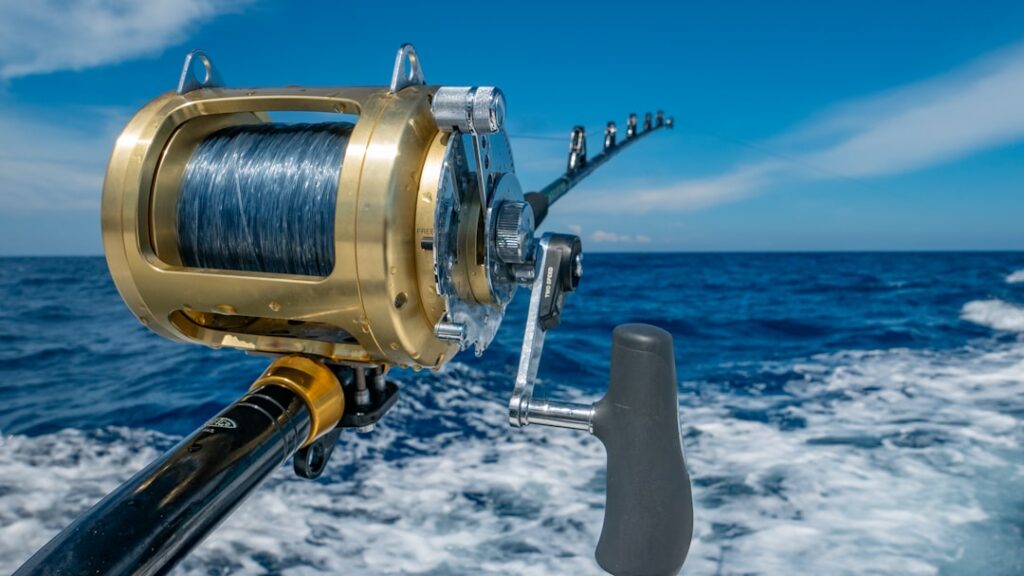
> Expert Tip: Always clarify upfront if “tackle” means you can use the boat’s basic rods or if you need to rent premium reels. Renting a high-end multiplier reel can add $50–$100 to your day.
When the Water is Cheap: Seasonal Pricing Shifts
Timing is everything in deep-sea fishing, and it directly impacts your wallet. Just like flights to Bali or accommodation in Cairns, charter rates fluctuate based on demand and fish availability.
Peak Season Premiums
During peak seasons, such as the Marlin run in Queensland (November to February) or the Bluefin Tuna season in WA (December to March), demand skyrockets. Charters during these windows can be 30–50% more expensive than off-peak times. This is when the water teems with action, but so do the prices.
Shoulder Months: The Smart Move
If you are flexible with your dates, booking during “shoulder months” (just before or after the peak) can save you a significant amount of money. For example, fishing in late April or early May off the NSW coast can yield excellent Spanish Mackerel and Queenfish, but with fewer crowds and lower rates. You get an authentic experience without the peak-season premium.
> Quick Fact: Booking your “fishing australia” trip 6–12 months in advance can sometimes lock in older pricing structures before annual inflation adjustments take effect.
What You’re Actually Paying For: The Value Proposition
It is easy to dismiss a higher price tag as “overcharging,” but in deep-sea fishing, you are often paying for safety and technology.
Captain Expertise and Technology
A skilled captain does not just drive the boat; they read the ocean. They use advanced fish-finding technology, including side-scan sonar and satellite imagery, to locate productive currents and bait balls. This expertise translates directly into catch rates. A cheaper captain might save you money on fuel but cost you your day if they cannot locate the fish.
Safety and Insurance
Reputable charters invest heavily in safety equipment, maintenance, and insurance. This includes life rafts, emergency beacons, first-aid kits, and regular vessel servicing. Cutting corners here to offer a lower price is a red flag. You are paying for the assurance that you will return home safely, regardless of how rough the seas get.
Shark Bay Surprise: The Value of Location
Consider a charter in Shark Bay, WA. On the surface, the fee might seem exorbitant compared to an inshore trip. However, this price grants you access to exclusive seagrass beds and channels teeming with unique species not found elsewhere. Location scarcity drives cost more than boat size, offering a rare opportunity to catch fish you simply cannot find closer to home.
Budget Checklist: Before You Book
To ensure you are getting value for your money, use this quick checklist before finalising your booking:
* What is included? Confirm if fuel, licenses, bait, and tackle are covered in the base price.
* What is the cancellation policy? Weather is unpredictable; ensure you have a fair refund or rescheduling policy.
* What does the captain say? Read reviews specifically mentioning the captain’s knowledge and safety record.
* Is “Keep or Release” clear? Understand the regulations for keeping fish in your target area to avoid fines.
Final Thoughts: Are You Paying for the Adventure or Just the Ride?
Deep-sea fishing is an investment in memories. The difference between a bargain bin trip and a premium charter often comes down to the quality of the catch, the safety of the vessel, and the expertise of your guide. Don’t be swayed by the lowest headline price if it means sacrificing safety or catch rates.
Are you paying for the adventure, or just the ride? Prioritise experienced captains and proven safety records over the cheapest option. When you do, you won’t just be paying for a day on the water; you’ll be investing in a safe, memorable story that will last a lifetime.
Frequently Asked Questions
What is the average cost of a deep-sea fishing charter in Australia?
A single deep-sea fishing charter typically ranges from AUD $300 to over $1,500 per person. The specific cost depends heavily on the vessel type and region. For instance, a centre console in Queensland’s Great Barrier Reef averages $350–$600, while a sportf yacht in Western Australia’s Shark Bay can cost $900–$1,500. NSW Sapphire Coast centre consoles range from $400–$750. These rates are generally per boat for up to 4-6 anglers, though licensing fees may be excluded.
Are fishing licenses included in the charter price?
Inclusion varies by state and operator. In New South Wales, you generally need a recreational fishing licence unless the accredited charter includes it in their fee. In Queensland, most charters include your marine park permit and recreational fishing licence, but this is not universal. To avoid unexpected costs, always ask your host if the ‘fishing Australia book’ covers these permits before signing on the dotted line.
When is the best time to book for lower rates?
Booking during ‘shoulder months’—just before or after peak seasons—is the smart move for saving money. For example, late April or early May off the NSW coast offers excellent Spanish Mackerel and Queenfish with lower rates than peak times. Peak seasons, such as the Marlin run in Queensland (November–February) or Bluefin Tuna season in WA (December–March), see prices rise by 30–50%. Booking 6–12 months in advance can also help lock in older pricing structures.
What hidden costs should I expect beyond the headline price?
Beyond the base rate, expect costs for premium bait (live or frozen), heavy-duty tackle, and gratuities. Renting a high-end multiplier reel can add $50–$100 to your day. Additionally, while not mandatory, tipping 10–15% is becoming standard for exceptional service. Always clarify upfront if ‘tackle’ includes basic rods or requires renting premium reels, as this is where smaller operators often increase profit margins.


Be the First to Comment
Sign in to start the conversation.