
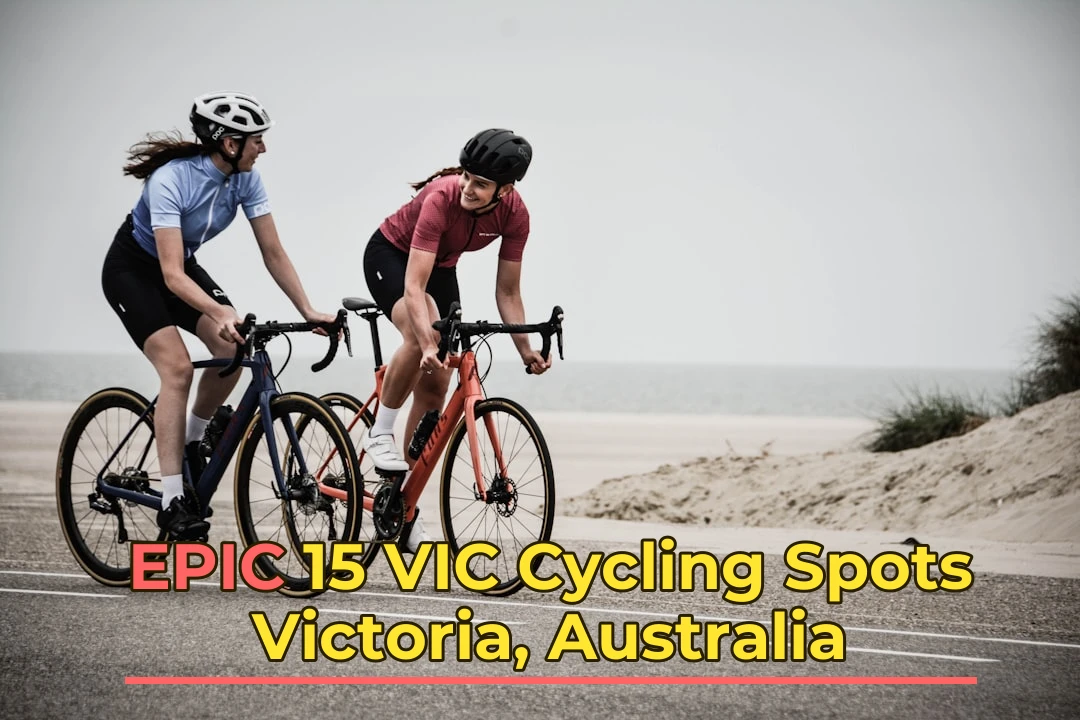
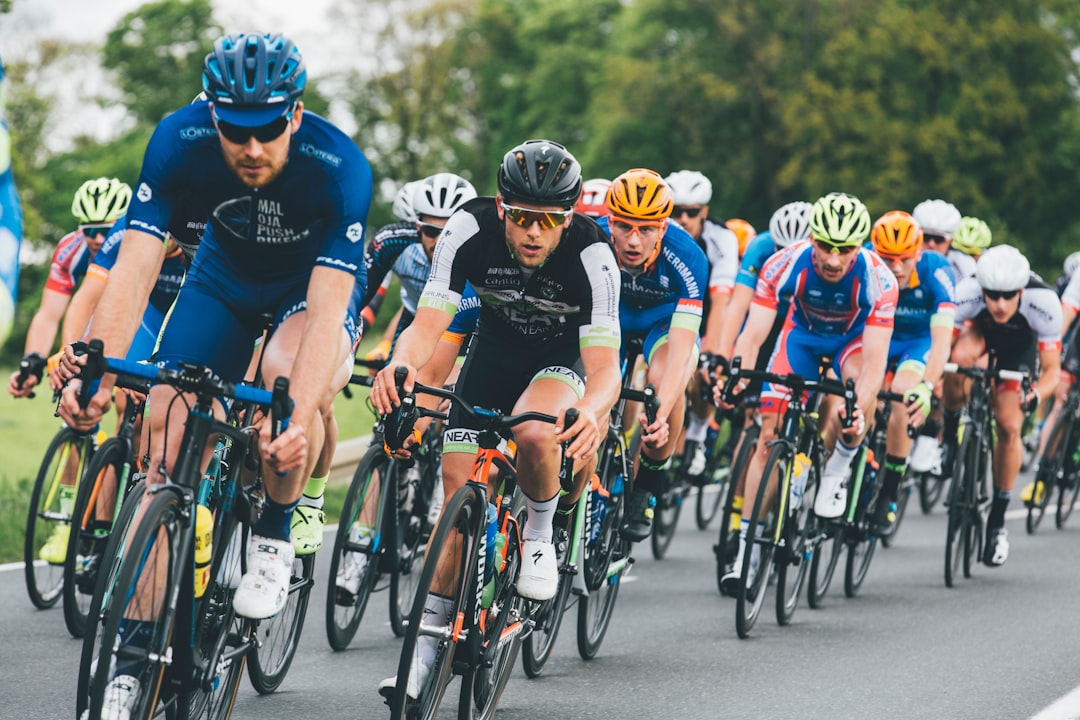
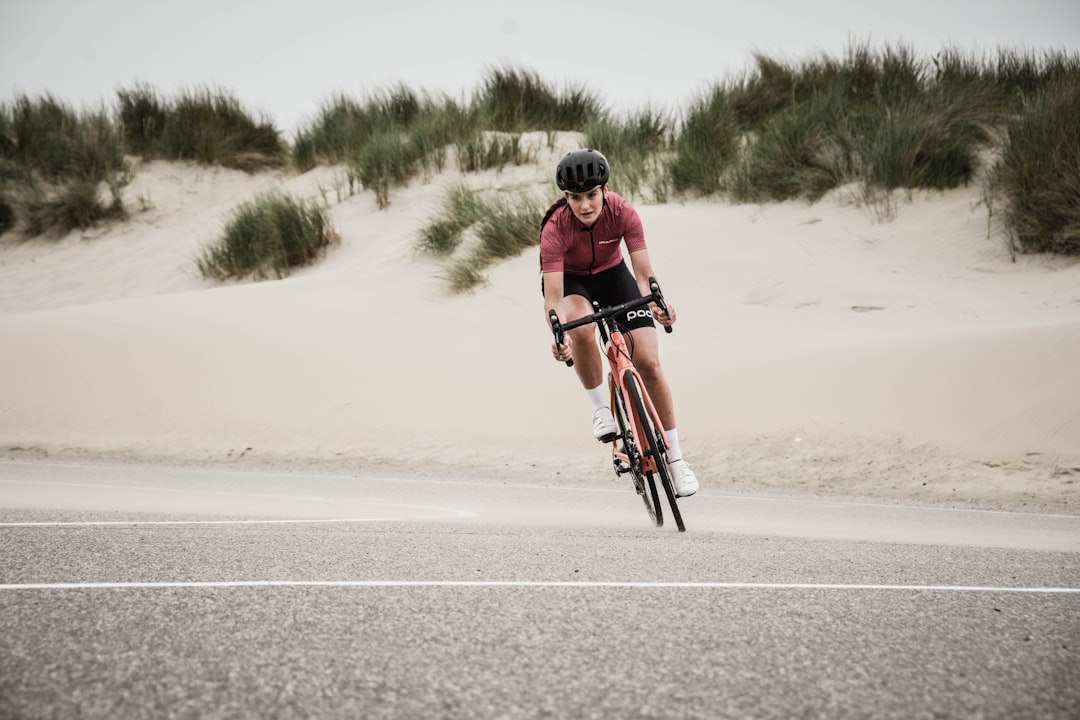
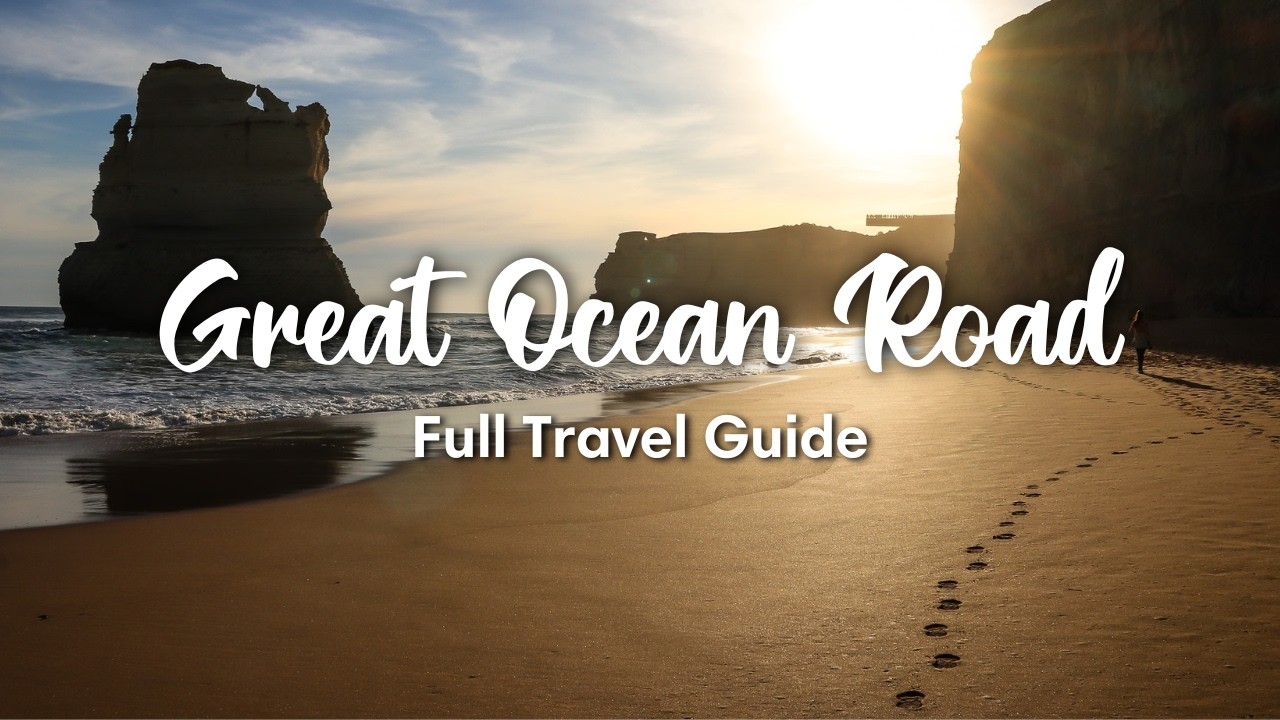
The car winds around the bend and suddenly, a visceral gust of wind shear hits your face at 60km/h—not on a smooth asphalt track, but on the winding descent toward Apollo Bay. You hear the specific sound of tires gripping damp pavement mixed with the distant roar of the Southern Ocean crashing against the limestone cliffs. There you are, crested over a hill, squinting against the glare off the water, realising that the famous 15 Apostles aren’t just a postcard image—they are the reward for the climb you just survived. This is Victoria’s Great Ocean Road, a ribbon of coastal beauty stretching along the state’s southwestern edge. It is not merely a holiday destination for motorhomes; it is an asphalt pilgrimage for cyclists who crave the authentic rhythm of the Australian coast. Here, the air smells of salt spray and damp eucalyptus, and the sense of freedom is absolute.
The “Big Three” vs. The Hidden Gems (Location Deep-Dive)
The Great Ocean Road spans 243 kilometres, but treating it as a single linear task is a rookie mistake. To truly experience the ride, you must categorise your effort against your reward. The route is best split into three distinct zones of cycling difficulty and scenery.
The Iconic Climb
For those seeking a challenge, the stretch from Apollo Bay to Port Campbell is where you test your gears. This section includes Great Ocean Road’s steepest sections, characterised by long, sweeping hairpins that expose you to the elements. The reward here is the dramatic limestone coastline. You will pass landmarks like the Loch Ard Gorge, where the history of maritime disaster clings to the cliffs.
* Cycling Experience: The shoulders here can be narrow, so focus on positioning your bike safely.
* Reward: Unmatched ocean views and fewer pedestrians.
The Family-Friendly Flatlands
Between Torquay and Lorne, the gradient softens significantly. This is the best zone for beginners, families with young cyclists, or anyone looking to enjoy a leisurely ride. The road is wider here, and there are more facilities along the way. It’s perfect for stopping at a surf beach without feeling like you’re missing out on the “real” adventure.
* Cycling Experience: Accessible for all fitness levels with minimal elevation gain.
* Reward: Easy access to cafes and beachside parks in Lorne.
The Secret Detours
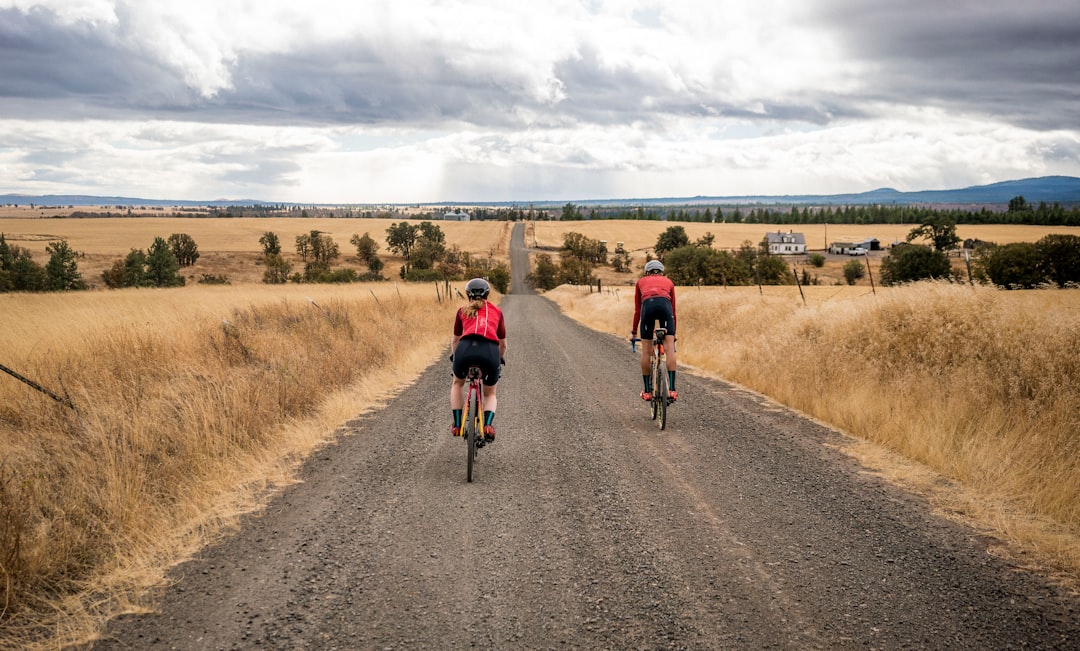
While everyone chases the main highway, the local secret lies in the Otway Forest trails. Less trafficked coastal tracks branch off near Great Ocean Road’s steepest sections, leading you into the rainforest canopy.
“Look off the map for a moment,” suggests local guide Sarah Jenkins, “and you’ll find gravel paths that connect the coast to ancient fern gullies—a world away from the salt spray.”
These detours offer a unique angle that standard guides often miss. You trade ocean views for towering Giant Angophoras and the chance to see a koala in its natural habitat without waiting in long queues at tourist centres.
The Local’s Secret: Weather, Wind, and Timing
There is a common misconception about riding the Great Ocean Road in summer: that a sunny weather app prediction guarantees good cycling conditions. This is the “Great Ocean Road Weather Myth.” The ocean dictates the rhythm here, creating unpredictable crosswinds that can turn a pleasant afternoon ride into an exhausting battle.
Local knowledge reveals micro-climates: it might be sunny and calm in Lorne while, just 20 minutes later, Apollo Bay is pouring rain. The contrast between the forested hinterland and the open coast creates these rapid shifts.
* Layering Systems: Dress in layers you can easily shed or add. A windbreaker is often more valuable than a thick jersey, as the offshore breeze hits hard at elevation.
* Timing: Start early. The light is better, the wind is calmer, and most importantly, you avoid the massive tour buses that dominate the middle of the day.
“The wind on the Great Ocean Road isn’t a suggestion; it’s a participant in your ride. Respect it, and you’ll fly. Fight it, and you’ll regret every kilometre.” — Mark T., Local Cyclist
Logistics Without the Stress (Value Proposition)
The honest limitations of cycling this route are what trip up even seasoned adventurers. Planning your logistics is not just about comfort; it’s about safety and avoiding expensive mistakes.
Transporting the Bike
Many cyclists make the mistake of assuming they can simply drive their car to the start and ride back. However, transport options vary wildly between trains and car support.
* Train Shuttle: The V/Line train service from Geelong to Lorne is a fantastic option. You can ride up to Lorne, catch the train back, and avoid the grueling 80km return trip.
* Car Support: If you prefer a point-to-point ride, organising car support is essential. This means having a support vehicle wait at the finish line or shuttling your spare gear.
Accommodation and Distance
The distance between services is vast in the Port Campbell section. You cannot assume you can buy water or a banana every 20 kilometres in the remote stretches near the 15 Apostles.
Warning: Running out of water or food in remote sections near the 15 Apostles is a genuine risk. Always carry at least two litres of water and emergency snacks when riding past Port Campbell towards the ocean’s edge.
Proper booking lead times for accommodation are crucial, especially in shoulder seasons (autumn and spring). Hotels fill up months in advance for cycling groups.
Key Takeaways
* Categorise Your Effort: Treat Torquay to Lorne as the beginner zone and Apollo Bay to Port Campbell as the expert challenge.
* Beware the Wind: Micro-climates change rapidly; carry a windproof layer even in summer.
* Use the Train: Avoid the exhausting 80km+ return trip by utilising the V/Line train shuttle services.
The Unexpected Discovery at Kennett River
There is a specific moment that defines the local experience for many. It’s near the Koala Conservation Centre at Kennett River. Most cyclists stop here just for a photo with the wildlife, but there is a hidden, unmapped gravel path that connects directly to a less crowded stretch of the coast.
I recall stopping there years ago, not for the koalas, but because I noticed a well-worn track leading into the trees. Following it led me to a secluded cove with no other cyclists in sight. It was a reminder that the best parts of this route are often those you stumble upon by looking sideways, not just staring forward.
The Honest Limitation of the “15 Apostles” Ride
It is crucial to be honest about the physical toll. Riding *to* the 15 Apostles from Geelong is a grueling 80km+ one-way trek that many beginners severely underestimate. I once watched a friend attempt this full stretch in the heat of February, pushing to the “hero” endpoint despite signs of fatigue. He ended up regretting not using the train shuttle much sooner, struggling with cramps as the sun began to set.
Prioritising safety over the “hero” endpoint is the mark of a smart cyclist. It is better to ride 60 kilometres brilliantly and enjoy a cold beer than to suffer through 120 kilometres in misery.
Specific Reference: The Torquay Bike Shop Stop
For those needing mechanical support, the town of Torquay is your lifeline. A quick stop at a local staple like The Gear Shed can save your ride. They offer emergency flat repairs and chain lube services, but more importantly, they have the local intel on road conditions that tourists miss. If your brakes are squeaking or you’re low on tubes, this is where you go.
Conclusion: The Pause Before the Descent
As your journey concludes near the 15 Apostles, lock up your bike. Do not view this as a finish line to be crossed and forgotten. View it as a pause. The true value of the VIC Cycling Guide isn’t just covering 243 kilometres; it’s experiencing the rhythm of the Australian coast—the sound of waves, the smell of salt, and the feeling of wind in your hair.
Sit on the rocks. Listen to the ocean roar against the limestone cliffs. Realise that you earned this view through your own effort, your own choice to turn the pedals.
Before you start the ride home, check your tire pressure one last time. The descent back requires traction and control. Enjoy the ride, stay safe, and let the Great Ocean Road show you its best side.
Frequently Asked Questions
What are the best cycling zones on the Great Ocean Road for beginners?
For beginner cyclists or families, the stretch between Torquay and Lorne is highly recommended. This section features softer gradients and wider roads, making it accessible for all fitness levels with minimal elevation gain. Unlike the expert zones further west, this area offers easy access to cafes and beachside parks in Lorne, allowing for a leisurely ride without the intense physical demands of the steeper hairpins found near Apollo Bay.
How can I avoid the grueling return trip from Port Campbell?
To avoid the exhausting 80km+ one-way trek back to Geelong, utilising public transport is essential. The V/Line train service running from Geelong to Lorne serves as an excellent shuttle option. You can cycle up to Lorne, catch the train back, and bypass the need for complex car support logistics. This strategy prevents fatigue and ensures you do not regret missing the train due to heat or cramps, as seen in many beginner attempts.
What is the ‘Great Ocean Road Weather Myth’ and how should I prepare?
The myth is that a sunny weather app prediction guarantees good cycling conditions, which is false due to unpredictable crosswinds and micro-climates. It can be sunny in Lorne while Apollo Bay experiences rain just 20 minutes later. To prepare, dress in layers and carry a windbreaker, as offshore breezes hit hard at elevation. Start your ride early to benefit from calmer winds and better light, avoiding the massive tour buses that dominate the middle of the day.
What are the critical safety requirements for riding near the 15 Apostles?
Riding past Port Campbell towards the 15 Apostles involves remote stretches where services are vast and sparse. You cannot assume access to water or food every 20 kilometres. Safety protocols dictate carrying at least two litres of water and emergency snacks to prevent running out in these remote sections. Additionally, always check your tire pressure before the descent back, as traction and control are vital for navigating the winding roads safely.


Be the First to Comment
Sign in to start the conversation.