
Australia’s vast and diverse landscapes offer photographers an unparalleled canvas, from the sun-drenched beaches of Queensland to the ancient rainforests of Tasmania. Among the country’s most iconic photographic destinations is the Great Ocean Road, a 243-kilometre stretch of coastal highway in Victoria that winds along the southeastern coast of Australia. This spectacular route, built by returned soldiers between 1919 and 1932 and dedicated to those who died in World War I, serves as the world’s largest war memorial. For photography enthusiasts, it presents an extraordinary opportunity to capture dramatic limestone stacks, pristine beaches, lush rainforests, and charming seaside towns—all within a single, unforgettable journey.
Planning Your Great Ocean Road Photography Adventure
Successful photography trips require thoughtful preparation, especially when exploring a destination as photographically rich as the Great Ocean Road. The region’s changeable weather and diverse shooting environments demand careful planning to maximise your opportunities and ensure you’re ready when those magical moments occur.
Best Times to Visit
Timing plays a crucial role in landscape photography, and the Great Ocean Road presents different opportunities throughout the year. Understanding seasonal variations will help you plan your shoots effectively:
- Spring (September-November): Wildflowers bloom along the coastline, and the weather becomes more stable. The golden hour light is particularly beautiful during these months.
- Summer (December-February): Longer daylight hours provide extended shooting opportunities, though popular locations can be crowded. Early morning sessions are essential for avoiding tourists.
- Autumn (March-May): Often considered the best season for photography, with settled weather, dramatic storm clouds, and fewer visitors. The light quality is exceptional during these months.
- Winter (June-August): Dramatic seas and stormy conditions create moody, atmospheric images. Fewer crowds mean more freedom to compose your shots, though weather can be challenging.
Essential Photography Gear
While you don’t need the most expensive equipment to capture stunning images, having the right gear will significantly enhance your photographic capabilities along the Great Ocean Road:
- Camera Body: A DSLR or mirrorless camera with manual controls and good low-light performance
- Lenses: Wide-angle (16-35mm) for seascapes and landscapes, mid-range (24-70mm) for versatility, and telephoto (70-200mm) for details and wildlife
- Tripod: Essential for long exposures, low-light shooting, and sharp landscape images
- Filters: Circular polariser to reduce glare and enhance colours, neutral density filters for long exposures, and graduated ND filters for balancing sky and foreground exposure
- Weather Protection: Rain covers and waterproof bags to protect equipment from sea spray and sudden weather changes
- Remote Shutter Release: For eliminating camera shake during long exposures
Logistics and Accommodation
Organising your base of operations strategically will maximise your shooting time. Consider these popular towns as starting points:
- Torquay: The official start of the Great Ocean Road, excellent for sunrise shots at Bells Beach
- Lorne: Central location with easy access to both coastal and rainforest photography locations
- Apollo Bay: Perfect for exploring the Cape Otway region and its diverse landscapes
- Port Campbell: Ideal for photographing the Twelve Apostles and nearby rock formations
Iconic Photography Locations Along the Great Ocean Road
The Great Ocean Road features numerous world-class photography locations, each offering unique creative possibilities. From famous landmarks to hidden gems, these spots should be on every photographer’s itinerary.
The Twelve Apostles and Surrounding Formations
The Twelve Apostles are undoubtedly the most photographed features along the Great Ocean Road, but the surrounding area offers equally impressive opportunities:
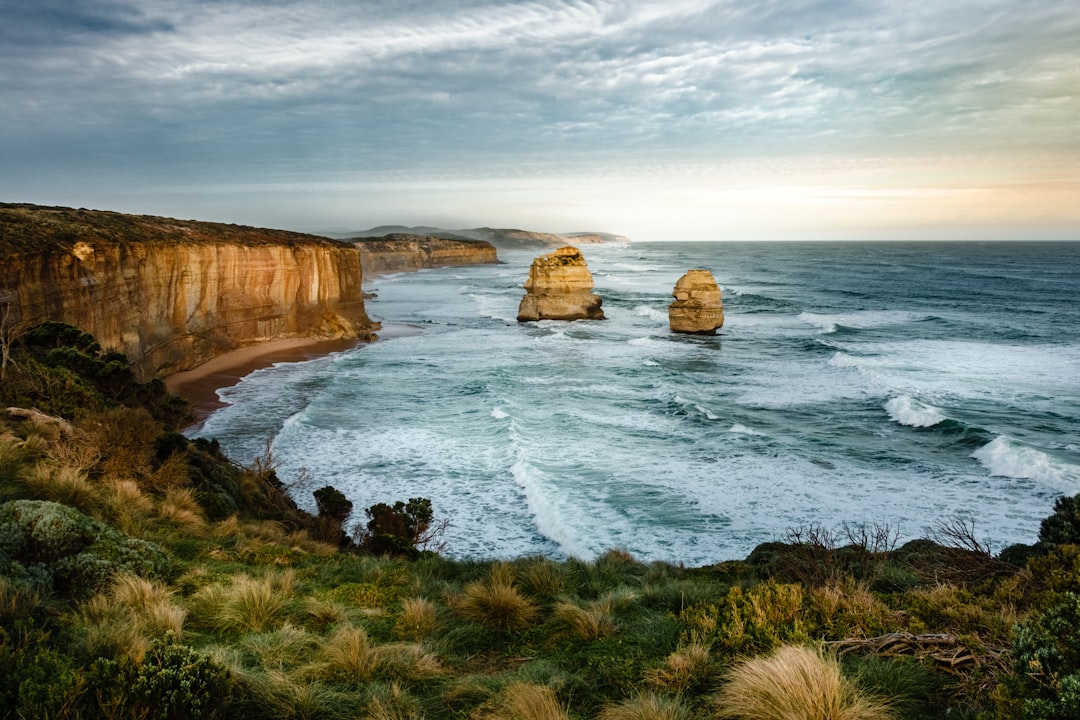
- The Twelve Apostles: Best photographed during golden hour when the limestone stacks glow in warm light. Visit both sunrise and sunset to see how changing light transforms the scene.
- London Bridge: Particularly dramatic during rough seas when waves crash through the arch. The viewing platforms provide excellent elevated perspectives.
- The Grotto: A sea cave with a blowhole that creates stunning light patterns. Best visited at high tide with good swell for dramatic water movement.
- Loch Ard Gorge: Offers multiple composition possibilities including the gorge itself, the cemetery beach, and Island Archway. Early morning light creates beautiful shadows and textures.
Coastal Photography Hotspots
Beyond the famous rock formations, the Great Ocean Road features numerous coastal locations perfect for seascape photography:
- Bells Beach: Famous for surfing and powerful waves, especially during winter swells. The cliffs provide excellent elevated perspectives for action shots.
- The Bay of Islands: Less crowded than the Twelve Apostles but equally spectacular, with numerous sea stacks and beautiful beach access.
- Shelly Beach: Near Torquay, this protected cove offers calm waters and interesting rock formations, perfect for minimalist compositions.
- Castle Cove: A dramatic viewpoint where the road curves around a stunning coastal inlet, especially beautiful in autumn light.
Rainforest and Waterfall Locations
The Great Ocean Road isn’t just about coastal photography—the region also features stunning temperate rainforests:
- Maits Rest: An easy rainforest walk with ancient myrtle beech trees and lush ferns. Overcast days provide perfect lighting for forest photography.
- Erskine Falls: One of many waterfalls in the region, with multiple viewing platforms offering different perspectives of the 30-metre cascade.
- Triplet Falls: Requires a moderate walk but rewards photographers with three cascades surrounded by dense rainforest vegetation.
- Beauchamp Falls: Less accessible but worth the effort for photographers seeking more remote waterfall locations.
Photography Techniques for the Great Ocean Road
Mastering specific techniques will help you capture the unique beauty of this coastal region. Understanding how to work with the challenging light and dynamic conditions will elevate your photography beyond simple snapshots.
Mastering Long Exposures
Long exposure techniques are essential for creating dramatic seascapes along the Great Ocean Road:
- Equipment Setup: Use a sturdy tripod to ensure sharpness during exposures ranging from 1 second to several minutes.
- Filter Selection: Neutral density filters allow you to extend shutter times even in bright conditions, creating that silky water effect.
- Exposure Calculation: Start with your base exposure, then calculate the new shutter speed after adding ND filters (e.g., 10-stop ND = multiply exposure time by 1000).
- Composition Tips: Include stationary elements like rocks or cliffs to provide contrast with the moving water.
Working with Coastal Light
The quality and direction of light dramatically impact your coastal photographs:
- Golden Hour: The hour after sunrise and before sunset provides warm, directional light that enhances textures and creates long shadows.
- Blue Hour: The period just before sunrise and after sunset offers soft, cool tones perfect for moody seascapes.
- Backlighting: Position yourself so the sun is behind your subject to create rim lighting and dramatic silhouettes.
- Storm Light: Overcast days with dramatic clouds can create more interesting images than clear blue skies.
Composition Strategies for Coastal Landscapes
Strong composition is key to creating compelling coastal photographs:
- Leading Lines: Use shorelines, rock formations, or waves to lead the viewer’s eye through your image.
- Foreground Interest: Include interesting foreground elements like rock pools, shells, or patterns in the sand to create depth.
- Rule of Thirds: Place key elements off-centre to create more dynamic and balanced compositions.
- Scale and Perspective: Include people or recognizable objects to convey the massive scale of coastal formations.
Post-Processing for Coastal Images
Proper post-processing can bring out the best in your Great Ocean Road photographs:
- RAW Processing: Always shoot in RAW format to retain maximum flexibility during editing.
- Exposure Blending: Combine multiple exposures to retain detail in both highlights and shadows of high-contrast scenes.
- Colour Enhancement: Subtly enhance the natural colours of the landscape without oversaturating the image.
- Noise Reduction: Apply careful noise reduction to long exposure images, especially those shot at high ISO.
Photography Tours and Workshops
For those looking to accelerate their learning or access exclusive locations, guided photography tours and workshops can be invaluable. These experiences provide local knowledge, technical instruction, and access to spots you might otherwise miss.
Benefits of Guided Tours
Professional photography tours along the Great Ocean Road offer numerous advantages:
- Local Knowledge: Experienced guides know the best locations, optimal timing, and current conditions.
- Technical Instruction: Receive personalised feedback and learn new techniques in the field.
- Access Opportunities: Some tours provide access to private locations or special permits for restricted areas.
- Logistical Support: Transportation and accommodation arrangements are handled, allowing you to focus on photography.
Choosing the Right Tour
When selecting a photography tour or workshop, consider these factors:
- Group Size: Smaller groups typically provide more personalised instruction and better shooting opportunities.
- Instructor Experience: Research the guide’s photography background and teaching style.
- Itinerary Focus: Some tours specialise in seascapes, while others include wildlife or rainforest photography.
- Skill Level: Ensure the tour matches your current abilities while offering opportunities for growth.
Self-Guided Photography Resources
If you prefer exploring independently, these resources can enhance your experience:
- Photography Guidebooks: Publications specifically covering Great Ocean Road photography locations.
- Weather Apps: Specialised apps for tide times, swell forecasts, and golden hour calculations.
- Online Communities: Local photography groups and forums sharing current conditions and tips.
- Park Websites: Official sources for track conditions, access updates, and photography restrictions.
Safety and Environmental Considerations
Responsible photography practices ensure both your safety and the preservation of these fragile environments. The Great Ocean Road presents unique challenges that require awareness and preparation.
Coastal Safety
The ocean’s power demands constant vigilance when photographing along the coastline:
- Wave Awareness: Never turn your back to the ocean, and always watch for unexpected larger waves.
- Cliff Stability: Stay behind barriers and avoid the edge of unstable cliffs or rock platforms.
- Tide Knowledge: Check tide times before venturing onto beaches or rock shelves.
- Weather Changes: Coastal conditions can change rapidly—always carry appropriate clothing and be prepared to retreat.
Environmental Protection
Minimising your impact is crucial for preserving these natural treasures:
- Stay on Paths: Use designated walking tracks to prevent erosion and protect fragile vegetation.
- Wildlife Respect: Maintain distance from animals and never feed them for the sake of a photograph.
- Leave No Trace: Pack out everything you bring in, including micro-trash like lens caps and memory card cases.
- Cultural Sensitivity: Respect Indigenous cultural sites and follow all posted guidelines regarding photography restrictions.
Equipment Protection
The coastal environment can be harsh on photography equipment:
- Salt Spray Management: Clean your gear thoroughly after each shoot, paying special attention to lenses and filters.
- Sand Prevention: Use protective filters and avoid changing lenses in sandy conditions.
- Weather Sealing: Consider weather-sealed equipment for regular coastal photography work.
- Insurance Coverage: Ensure your gear is adequately insured against damage from water or drops.
Conclusion
The Great Ocean Road stands as one of the world’s premier photography destinations, offering an extraordinary variety of subjects within a relatively compact area. From the dramatic sea stacks of the Twelve Apostles to the tranquil beauty of ancient rainforests, this region provides endless opportunities for creative expression. Success here requires more than technical skill—it demands patience, preparation, and a deep respect for the natural environment. By understanding the seasonal patterns, mastering specific techniques, and approaching each location with thoughtful composition, photographers can create images that truly capture the spirit of this remarkable coastline. Whether you’re a beginner seeking to improve your landscape photography or an experienced professional looking for new perspectives, the Great Ocean Road offers rewards that extend far beyond the photographs themselves. The experience of standing on these dramatic shores, watching the light change across the water, and connecting with the raw power of nature is what makes this journey truly unforgettable. As you plan your own photographic adventure along this iconic Australian road, remember that the best images often come to those who combine technical knowledge with artistic vision and an unwavering sense of wonder at the natural world.
Frequently Asked Questions
What is the Great Ocean Road and why is it significant for photography?
The Great Ocean Road is a 243-kilometre coastal highway in Victoria, built between 1919 and 1932 as the world’s largest war memorial. It offers photographers dramatic limestone stacks, pristine beaches, lush rainforests, and charming seaside towns. The route winds along Australia’s southeastern coast, providing unparalleled opportunities to capture diverse landscapes from a single journey, making it one of the world’s premier photography destinations.
How can I master long exposure photography for seascapes along the Great Ocean Road?
To master long exposures, use a sturdy tripod for sharpness during 1-second to several-minute exposures. Employ neutral density filters to extend shutter times in bright conditions. Calculate exposure by multiplying your base exposure time (e.g., a 10-stop ND filter requires multiplying by 1000). Include stationary elements like rocks or cliffs to contrast with the silky water effect. This technique is essential for creating dramatic seascapes at locations like the Twelve Apostles and London Bridge.
When is the best time to visit the Great Ocean Road for photography?
Autumn (March-May) is often considered the best season, offering settled weather, dramatic storm clouds, exceptional light quality, and fewer visitors. However, each season presents unique opportunities: Spring brings wildflowers and stable weather; Summer provides longer daylight hours but requires early morning shoots to avoid crowds; Winter offers dramatic seas and moody conditions with minimal tourist interference. The golden hour light is particularly beautiful during spring and autumn months.
What essential photography gear should I bring for a Great Ocean Road trip?
Essential gear includes a DSLR or mirrorless camera with manual controls, wide-angle (16-35mm) and mid-range (24-70mm) lenses, and a sturdy tripod for long exposures. Bring filters including a circular polariser, neutral density filters, and graduated ND filters. Weather protection like rain covers is crucial due to sea spray, along with a remote shutter release to eliminate camera shake. Consider weather-sealed equipment for regular coastal work and insurance coverage for potential damage.
What are the logistics costs for accommodation along the Great Ocean Road photography route?
While specific costs aren’t detailed, strategic accommodation bases include Torquay (official start, excellent for Bells Beach sunrise), Lorne (central location for coastal and rainforest shoots), Apollo Bay (perfect for Cape Otway exploration), and Port Campbell (ideal for Twelve Apostles photography). Planning your base strategically maximises shooting time. Budget considerations should include varying seasonal rates, with winter generally offering lower prices but potentially challenging weather conditions for photography equipment.


Be the First to Comment
Sign in to start the conversation.