

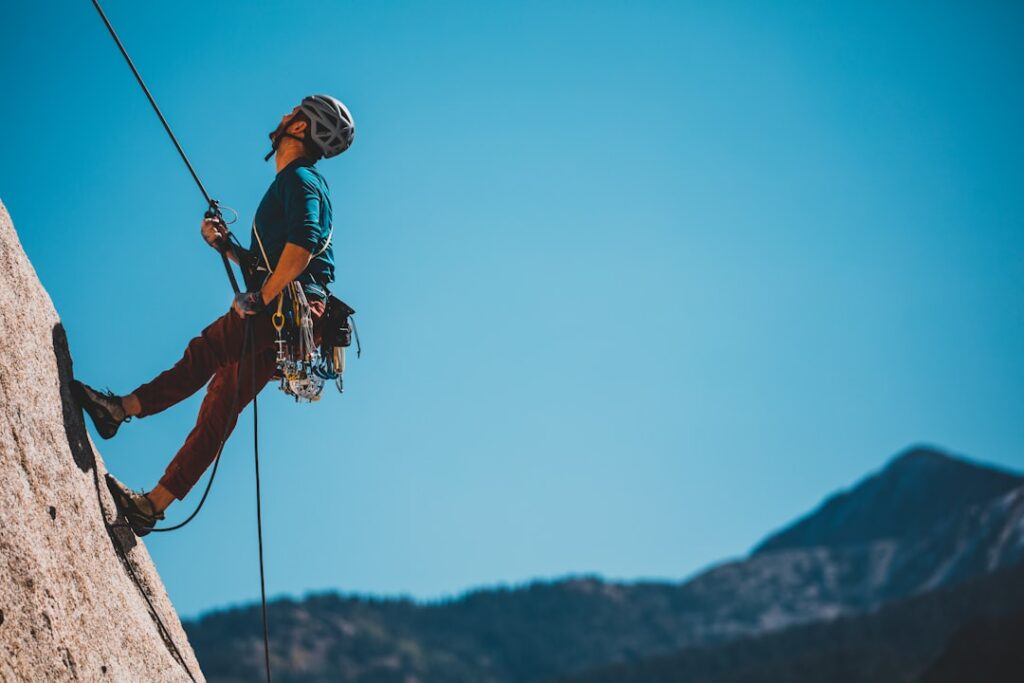
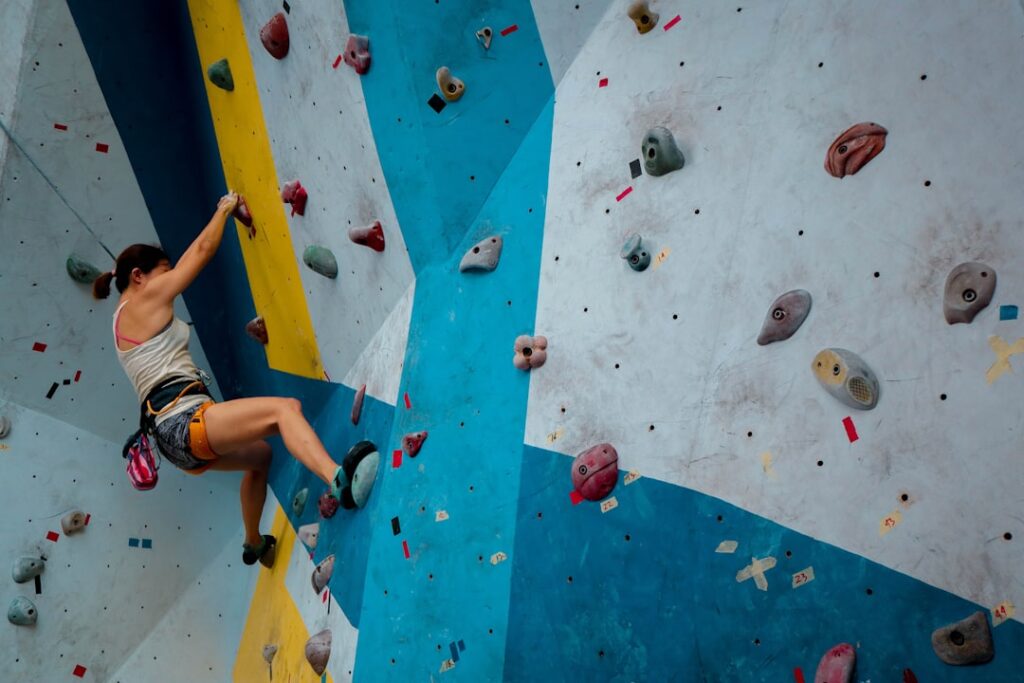
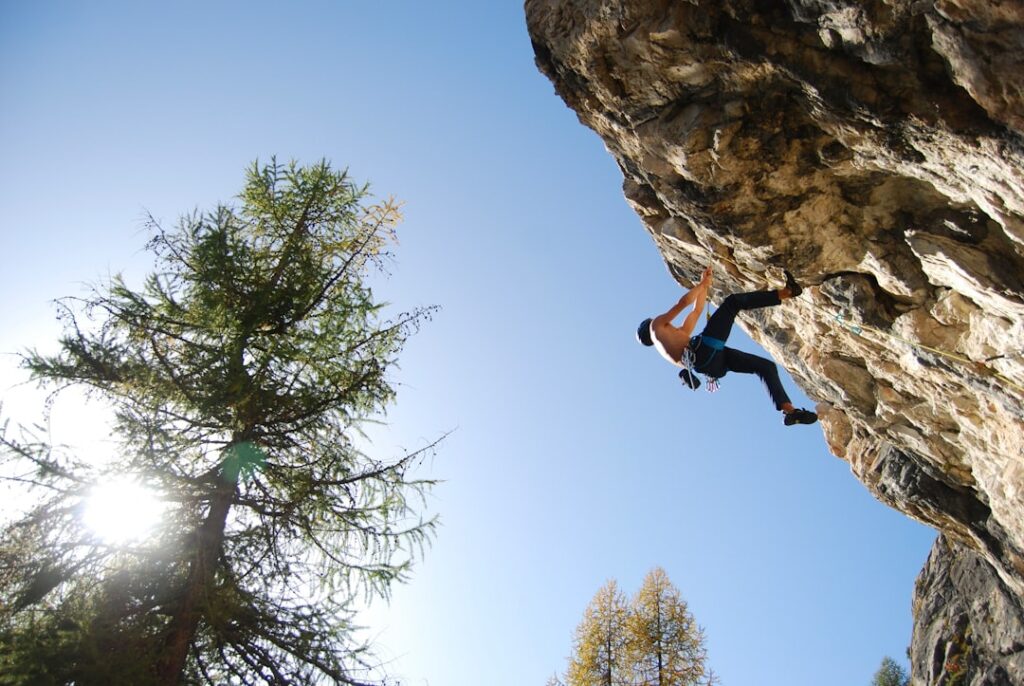
Planning a rock climbing adventure in Australia? You’re in for an absolute treat! From the rugged sandstone cliffs of the Blue Mountains to the iconic granite formations of the Grampians, Australia offers some of the most diverse and spectacular climbing destinations on the planet. Whether you’re a beginner looking to try indoor climbing walls first or an experienced trad climber seeking multi-pitch challenges, proper planning is key to making the most of your climbing journey. This guide will walk you through everything you need to know about organising your rock climbing trip Down Under, covering the best regions to visit, seasonal considerations, and practical tips to ensure a safe and unforgettable experience.
Choosing Your Climbing Destination
Australia’s vast landscape means you’ve got incredible variety when it comes to climbing destinations. Each region offers unique rock types, climbing styles, and stunning backdrops. Here are some of the country’s most popular climbing areas:
New South Wales
The Blue Mountains National Park, just a couple of hours from Sydney, is arguably Australia’s most famous climbing destination. With over 3,000 routes ranging from beginner-friendly slabs to challenging overhangs, it’s a climber’s paradise. The sandstone here offers excellent friction and plenty of features for hands and feet.
Other notable NSW spots include:
- Nowra – Sport climbing heaven with over 1,500 routes
- Boranup – Stunning limestone sport climbing near Margaret River
- Mount York – Traditional climbing with historical significance
Victoria
The Grampians National Park (Gariwerd) is Victoria’s crown jewel for climbing. This ancient mountain range features incredible sandstone formations and thousands of routes. The area has seen significant access challenges in recent years, so always check current conditions and closures before visiting.
Mount Arapiles, near Horsham, is another Victorian must-visit. Often called “Arapiles” by locals, this quartzite mountain offers over 2,000 routes and is considered one of the best climbing areas in the world.
Western Australia
The Margaret River region isn’t just about wine – it’s home to some spectacular limestone sport climbing. The coastal setting means you can climb in the morning and hit the beach in the afternoon. Further north, the Stirling Range offers alpine-style climbing experiences.
Queensland
Frog Buttress near Brisbane is famous for its crack climbing on volcanic rhyolite. The unique texture and continuous crack systems make it a favorite for trad climbers. For something completely different, check out the Glass House Mountains for adventurous climbing with panoramic views.
Timing Your Climbing Trip
When you plan to climb can make or break your experience. Australia’s climate varies dramatically across regions and seasons, so timing is crucial.
Summer (December – February)
Summer climbing can be challenging in many parts of Australia due to the heat. However, it’s the perfect time to visit Tasmania, where temperatures remain comfortable. In mainland areas, focus on:
- Early morning starts to avoid midday heat
- South-facing crags that stay in the shade
- Coastal areas with sea breezes
- Indoor climbing gyms for training and skill development
Autumn (March – May)
Arguably the best climbing season in most parts of Australia. Temperatures are mild, and the weather is generally stable. It’s an ideal time to visit the Blue Mountains, Grampians, and Arapiles.
Winter (June – August)
Winter is perfect for climbing in northern Australia. Queensland and the Northern Territory offer excellent conditions during these months. Southern areas can still be climbable, especially on sunny days, but be prepared for shorter days and colder temperatures.
Spring (September – November)
Another fantastic season for climbing across most of Australia. Wildflowers add beauty to many climbing areas, and temperatures are pleasant. It’s particularly good time for the Grampians before the summer heat sets in.
Essential Planning Checklist
Proper planning ensures your climbing adventure is safe and enjoyable. Here’s your comprehensive checklist:
Skills and Fitness Preparation
Before heading out, honestly assess your climbing ability:
- Are you comfortable with the grade of routes you plan to attempt?
- Do you have the necessary skills for the type of climbing (sport, trad, multi-pitch)?
- Is your fitness level adequate for the approach and climbing duration?
- Consider taking a course if you need to develop specific skills
Equipment and Gear
Ensure you have the right gear for your chosen destination and climbing style:
- Check your rope length suits the routes
- Bring enough quickdraws for sport climbing or a full rack for trad
- Don’t forget essential safety gear: helmet, first aid kit, communication device
- Consider a guidebook or digital route information
Permits and Access
Many climbing areas in Australia require permits or have specific access considerations:
- Check if you need a national parks pass
- Research any seasonal closures (common during breeding season for some wildlife)
- Join local climbing organizations like Australian Climbing Association for access updates
- Respect private property and cultural sites
Safety Planning
Safety should always be your top priority:
- Always climb with a partner
- Leave your trip details with someone reliable
- Check weather forecasts and conditions
- Know emergency procedures and contacts for each area
- Consider travel insurance that covers climbing activities
Local Tips and Etiquette
Understanding local customs and unwritten rules will make your climbing experience smoother and help preserve access for future generations.
Crag Etiquette
Australian climbers generally follow these unwritten rules:
- Keep noise to a minimum, especially in popular areas
- Don’t climb directly above other parties
- Respect route closures and seasonal restrictions
- Pack out everything you pack in – including human waste in remote areas
- Stick to established tracks to minimise erosion
Connecting with the Community
The Australian climbing community is welcoming and knowledgeable:
- Visit local climbing gyms to meet potential partners
- Join online forums like TheCrag.com for route updates and partners
- Attend local climbing festivals and events
- Consider hiring a local guide for your first day in a new area
Wildlife Awareness
Australia’s unique wildlife adds to the adventure but requires awareness:
- Check cracks for spiders before placing hands or gear
- Be aware of snakes, especially in warmer months
- Don’t feed wildlife – it’s dangerous for them and you
- Keep food secured to avoid attracting animals
Practical Travel Information
Getting to and from climbing areas requires some logistical planning:
Transportation
Most Australian climbing destinations are best accessed by car:
- Rental cars are widely available in major cities
- Consider a 4WD for remote areas like the Grampians
- Carpooling is common among climbers – check forums for ride shares
- Some areas have shuttle services during peak season
Accommodation
Options range from camping to luxury stays:
- National park campgrounds are popular but book ahead
- Many climbing areas have nearby caravan parks
- Country towns often have budget motels
- Consider Airbnb for longer stays in popular areas
Communication
Mobile coverage can be limited in climbing areas:
- Check coverage maps for your provider
- Consider a satellite messenger for remote areas
- Download offline maps and route information
- Carry a personal locator beacon (PLB) for serious adventures
Conclusion
Planning a rock climbing trip in Australia requires thoughtful preparation, but the rewards are absolutely worth it. From world-class crags to breathtaking wilderness settings, Australia offers climbing experiences that will stay with you for a lifetime. Remember to respect the environment, connect with the local community, and always prioritise safety. Whether you’re clipping bolts in the Blue Mountains, jamming cracks at Frog Buttress, or scaling the iconic formations of Arapiles, proper planning ensures you’ll make the most of every moment on the rock. So start researching, connect with fellow climbers, and get ready for an unforgettable Australian climbing adventure!
Frequently Asked Questions
What are some of the best rock climbing destinations in Australia?
Australia offers diverse climbing destinations including the Blue Mountains National Park in NSW with over 3,000 routes, the Grampians National Park (Gariwerd) in Victoria with incredible sandstone formations, and Mount Arapiles near Horsham featuring over 2,000 routes on quartzite. Other notable spots include Nowra’s 1,500+ sport climbing routes, Frog Buttress near Brisbane for crack climbing, and Margaret River’s limestone sport climbing in Western Australia.
How should I plan the timing for my rock climbing trip in Australia?
Timing is crucial due to Australia’s varied climate. Autumn (March-May) is ideal for most areas like the Blue Mountains and Grampians. Summer (December-February) suits Tasmania best, while winter (June-August) is perfect for northern regions like Queensland. Spring (September-November) offers excellent conditions across most of Australia. Plan early morning starts in summer and focus on south-facing crags to avoid heat.
What essential gear and equipment should I bring for rock climbing in Australia?
Bring appropriate gear for your climbing style: check rope length suits your routes, pack enough quickdraws for sport climbing or a full rack for trad climbing. Essential safety items include a helmet, first aid kit, and communication device. Consider a guidebook or digital route information. For remote areas, pack out all waste including human waste, and carry a personal locator beacon (PLB) for serious adventures.
What permits and access considerations are needed for Australian climbing areas?
Many climbing areas require permits or have specific access rules. Check if you need a national parks pass and research seasonal closures, especially during wildlife breeding seasons. Join organisations like the Australian Climbing Association for access updates. Always respect private property and cultural sites. For the Grampians, check current conditions and closures before visiting due to recent access challenges.



Be the First to Comment
Sign in to start the conversation.