


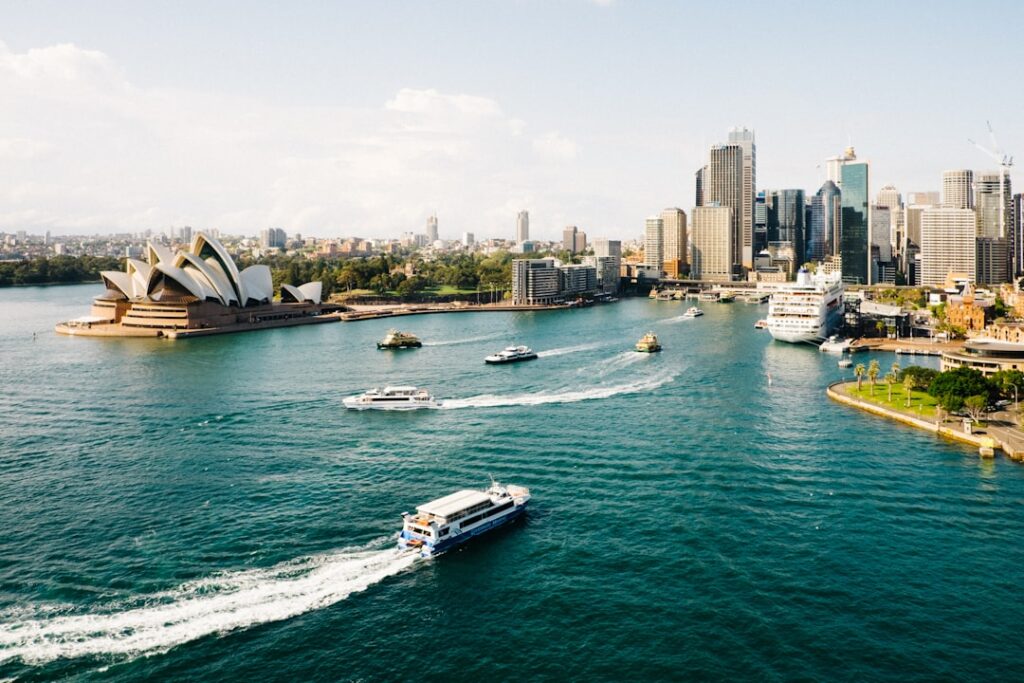

There’s something uniquely Australian about exploring this vast sunburnt country on two wheels. From the rugged coastlines of Tasmania to the red dirt tracks of the outback, cycling in Australia offers an intimate way to experience the diverse landscapes that make this continent so special. Whether you’re planning a gentle family ride along Victoria’s Murray to Mountains Rail Trail or tackling the challenging Munda Biddi Trail in Western Australia, you’ll discover that cycling isn’t just about the destination – it’s about immersing yourself in the local culture, wildlife, and that unmistakable Aussie spirit of adventure. Let’s pedal through everything you need to know to make your Australian cycling journey unforgettable.
Iconic Cycling Destinations Across Australia
Australia’s sheer size means every state offers something completely different for cyclists. Here are some of the country’s most celebrated routes that cater to all fitness levels and interests:
East Coast Classics
The eastern seaboard is home to some of Australia’s most scenic cycling routes. The Byron Bay Lighthouse Walk in New South Wales offers stunning coastal views with relatively easy gradients, perfect for families and casual riders. Further south, the Grand Pacific Drive in NSW features the spectacular Sea Cliff Bridge, where cyclists can pause to watch whales during migration season (May-November).
In Queensland, the Gold Coast Oceanway stretches for 36 kilometres along some of Australia’s most famous beaches. Early morning rides here often reveal dolphins playing in the surf, and the flat terrain makes it accessible for all abilities. For mountain bikers, the Raby Bay foreshore trails near Brisbane offer technical challenges through native bushland with bay views as your reward.
Victoria’s Cycling Paradise
Victoria arguably offers Australia’s most diverse cycling experiences. The Murray to Mountains Rail Trail is a must-do, covering 116 kilometres of sealed paths through wine country, historic towns, and beautiful farmland. Starting in Bright, cyclists can ride through autumn foliage (April-May) or spring blossoms (September-October), stopping at cellar doors and farm gates along the way.
For road cycling enthusiasts, the Great Ocean Road provides one of the world’s most spectacular coastal rides. While challenging with its rolling hills, the views of the Twelve Apostles and pristine beaches make every pedal stroke worthwhile. Local tip: start early to avoid tourist traffic and catch the morning light on the limestone cliffs.
Tasmania’s Wilderness Rides
The island state of Tasmania is a cycling mecca, particularly for mountain bikers. The Blue Derby Trail Network has gained international recognition for its world-class single-track through temperate rainforest. Meanwhile, the Tasmanian Trail offers a multi-day adventure covering 480 kilometres from Devonport to Dover, suitable for both mountain bikes and gravel bikes.
Road cyclists shouldn’t miss the Cradle Mountain Circuit, a challenging 30km ride with breathtaking alpine scenery. The best time to visit is summer (December-February) when the weather is most predictable, though always be prepared for sudden changes in Tasmania’s mountain regions.
Seasonal Planning and Timing
Australia’s climate varies dramatically across regions, so timing your cycling adventure is crucial for the best experience.
Summer (December-February)
- Best for: Tasmania, Victoria’s alpine regions, Southern Australia
- Challenges: Extreme heat in the outback and northern regions (often 35-45°C)
- Local tip: In southern areas, start rides by 6am to finish before the midday heat. Carry at least 3 litres of water per person on any ride exceeding 2 hours.
Autumn (March-May)
- Best for: Most of Australia, especially wine regions like Margaret River and the Barossa Valley
- Highlights: Mild temperatures, fewer tourists, beautiful foliage in southern regions
- Expert Tip: This is the perfect season for multi-day tours in regions like the Flinders Ranges, where daytime temperatures are pleasant and nights are cool but not freezing.
Winter (June-August)
- Best for: Tropical North Queensland, Top End, Western Australia’s south
- Considerations: Snow in alpine areas (great for fat biking), cooler temperatures in the south
- Did you know: Winter is peak cycling season in Cairns and Port Douglas, with perfect temperatures around 25°C and minimal rainfall.
Spring (September-November)
- Best for: Wildflower viewing in Western Australia, Canberra’s spring festival rides
- Wildlife: Great time for spotting kangaroos and wallabies, especially during early morning rides
- Important: This is magpie breeding season in many areas – carry zip ties or cable ties on your helmet as a deterrent if riding in known swooping zones.
Practical Tips for Cycling in Australia
Whether you’re a local or international visitor, these practical tips will help ensure your Australian cycling adventure goes smoothly:
Safety and Regulations
- Helmet laws: Mandatory in all states and territories for all ages – no exceptions
- Road rules: Cyclists must follow the same road rules as motorists, including stopping at red lights and giving hand signals
- Bike lanes: Where present, use them – but remain vigilant for car doors opening
- Visibility: Wear bright clothing and use front/rear lights, even during daylight hours
Wildlife Encounters
One of Australia’s greatest cycling joys is the wildlife, but it comes with responsibilities:
- Kangaroos and wallabies: Most active at dawn and dusk – be particularly cautious on rural roads
- Snakes: They’re more scared of you – make noise when approaching long grass areas
- Magpies: During spring (August-October), some become territorial – wear sunglasses and avoid direct eye contact
- Emus: Give them plenty of space – they can run up to 50km/h and are unpredictable
Essential Gear
Beyond your bike and helmet, pack these Australia-specific essentials:
- Water: Minimum 2 litres for short rides, 3-4 litres for longer adventures
- Sun protection: SPF 50+ sunscreen, sunglasses, and arm coolers
- Repair kit: Include extra tubes – puncture vines are common in rural areas
- First aid: Include antiseptic wipes and band-aids for minor scrapes
- Phone and power bank: Coverage can be patchy in remote areas
Transporting Your Bike
If you’re bringing your own bike to Australia or travelling between states:
- Airlines: Most major carriers accept bikes as sports equipment – book ahead and expect fees around $150-$200 domestic
- Train travel: Many regional trains have bike storage – check with specific operators before booking
- Bike hire: Quality hire options available in most major tourist destinations – often easier than transporting your own
Planning Your Australian Cycling Adventure
With so many options, planning can feel overwhelming. Here’s how to approach it:
Choosing Your Route
Consider these factors when selecting your cycling destination:
- Fitness level: Be honest about your abilities – Australia’s distances can be deceiving
- Time available: Multi-day trips require significant planning and support
- Interests: Wine touring, mountain biking, coastal scenery, or outback adventure?
- Season: Some routes are seasonal – check conditions before finalising plans
Accommodation Options
Cyclists in Australia have diverse accommodation choices:
- Bike-friendly hotels: Many offer secure storage and maintenance areas
- Camping: Holiday parks often have dedicated cyclist facilities
- Hostels: Budget-friendly with common areas for meeting other cyclists
- Farm stays: Unique experiences in rural areas, often with home-cooked meals
Support and Logistics
For longer trips, consider these options:
- Self-supported: Carry all gear in bike panniers – gives ultimate flexibility
- Supported tours: Companies handle luggage, meals, and mechanical support
- Hybrid approach: Use luggage transfer services between key towns
Conclusion
Cycling in Australia offers an unmatched way to experience the country’s natural beauty, friendly culture, and diverse landscapes. From the challenging climbs of the Blue Mountains to the gentle rail trails of regional Victoria, there’s a perfect ride waiting for every type of cyclist. The key to a successful Australian cycling adventure lies in careful planning, respecting the unique environment and wildlife, and embracing the laid-back attitude that makes Australia so special. So grab your helmet, pump up those tyres, and get ready to discover why so many cyclists return to Australia time and again for their two-wheeled adventures. The open road (or trail) is calling – and there’s no better place to answer that call than Down Under.
Frequently Asked Questions
What are some of Australia’s most iconic cycling destinations?
Australia offers diverse cycling experiences across states. In NSW, the Byron Bay Lighthouse Walk provides easy coastal rides, while the Gold Coast Oceanway in Queensland stretches 36km along beaches. Victoria’s Murray to Mountains Rail Trail covers 116km through wine country, and Tasmania features the internationally recognised Blue Derby Trail Network for mountain biking. The Great Ocean Road in Victoria offers spectacular coastal scenery, though it’s challenging with rolling hills.
How should I plan for seasonal cycling conditions in Australia?
Timing is crucial due to Australia’s varied climate. Summer (December-February) is ideal for Tasmania and Victoria’s alpine regions, but avoid the outback’s 35-45°C heat. Autumn (March-May) suits most regions, especially wine areas like Margaret River. Winter (June-August) is perfect for Tropical North Queensland with 25°C temperatures. Spring (September-November) is great for WA wildflower viewing, but be prepared for magpie swooping season – carry zip ties on your helmet as a deterrent.
When is the best time to cycle the Murray to Mountains Rail Trail in Victoria?
The Murray to Mountains Rail Trail is particularly beautiful during autumn (April-May) for stunning foliage displays and spring (September-October) for blossoms. The 116km sealed path through Bright and surrounding wine country is best ridden during these milder seasons. Start early morning to enjoy comfortable temperatures and have more time to stop at cellar doors and farm gates along the route.
What are the essential safety requirements and costs for cycling in Australia?
Helmet wearing is mandatory for all ages across Australia, with no exceptions. You must follow the same road rules as motorists, including stopping at red lights. For bike transport, domestic airlines typically charge $150-$200 to carry your bike as sports equipment, and you must book ahead. Always carry minimum 2 litres of water for short rides and 3-4 litres for longer adventures, plus SPF 50+ sunscreen and front/rear lights even during daylight.



Be the First to Comment
Sign in to start the conversation.